






Breaking Down the New FDI Rules
In a significant policy shift effective from April 2024, the Indian government has liberalised its FDI policy for the space sector. Previously, any foreign investment required case-by-case government approval, a process that could be a deterrent for investors.
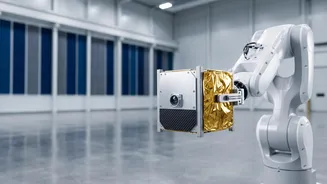
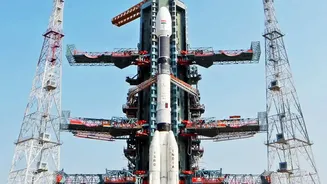
The new rules create a tiered system with more accessible 'automatic routes'. For the manufacturing of components and subsystems for satellites and ground segments, 100% FDI is now permitted through the automatic route. For manufacturing and operating satellites, the automatic route is open up to 74% FDI. For launch vehicles and the creation of spaceports, the automatic limit is set at 49%. Investments beyond these automatic thresholds will still require government approval, but this clear, segmented approach is designed to attract significant foreign capital by simplifying the entry process.
A Rocket Boost for Startups
India's private space ecosystem, which has grown from just a handful of companies to over 400 startups, is poised to be a primary beneficiary. These firms, including names like Skyroot Aerospace and Pixxel, often struggle to secure the large-scale, patient capital required for space technology development. The liberalised FDI norms will give these startups access to a much broader pool of global funding. This financial infusion is critical for moving from the design phase to manufacturing, testing, and commercial operations. With foreign investors now having a clearer and easier path to invest, Indian space-tech companies can accelerate their growth, scale their operations, and compete more effectively on the global stage. The influx of funds is expected to drive innovation across the entire space value chain.
More Than Just Money: Tech and Expertise
The benefits of increased FDI extend far beyond just capital. Foreign investment often comes bundled with advanced technology, sophisticated manufacturing practices, and invaluable operational expertise. As global space giants set up joint ventures or invest in Indian firms, a natural transfer of technology and know-how is expected to occur. This can help Indian companies leapfrog years of development, adopt international standards, and integrate into global supply chains. This collaboration will enable Indian firms to move up the value chain from being component suppliers to manufacturers of complete systems, satellites, and even launch vehicles. This sharing of knowledge will be crucial for building a self-reliant and technologically advanced domestic space industry.
Fueling 'Make in India' and Job Creation
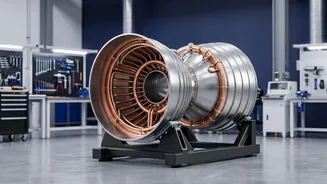
The new policy is a major boost for the 'Make in India' initiative. By permitting up to 100% automatic FDI for component manufacturing, the government is incentivising global players to establish production facilities in India. This will not only cater to domestic demand but also positions India as a potential hub for global space manufacturing, leveraging the country's cost-effective engineering talent. This expansion of the manufacturing base is expected to have a ripple effect on ancillary industries and will create a significant number of high-tech jobs for engineers, scientists, and skilled technicians. This development is vital for transforming India's space sector into a major contributor to the national economy, with projections suggesting the space economy could grow from around USD 9 billion to over USD 44 billion by 2033.
A New Trajectory for ISRO
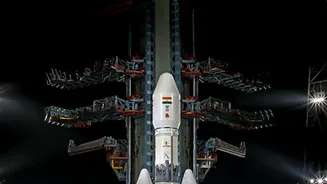
With the private sector empowered to handle more commercial aspects like satellite manufacturing and launch services, the Indian Space Research Organisation (ISRO) can recalibrate its focus. The policy shift allows ISRO to concentrate on its core mission: pioneering research and development, deep-space exploration, and national security-related space missions. The establishment of IN-SPACe (Indian National Space Promotion and Authorization Center) as a single-window agency further streamlines this process. It acts as an interface between ISRO and the private sector, facilitating technology transfers and access to ISRO's world-class facilities. This public-private partnership model allows India to pursue ambitious scientific goals while a vibrant private industry drives the commercial space economy forward.