






Mindset First: Redefine Your Goals
Before you even lace up your shoes, it's important to set the right intention. Instead of focusing on intense workouts or rapid weight loss, shift your goal towards consistency and feeling good in your body. The most successful fitness plan is one you can
stick with. Celebrate the small wins: walking for 10 minutes, feeling a little stronger, or simply enjoying the mood boost that comes from moving your body. The aim is to build a positive, long-term relationship with physical activity, not to punish yourself.
Gentle Cardio: The Foundation of Fitness
Cardiovascular exercise is crucial for heart health, but high-impact activities can be tough on the joints, especially the knees and back. Start with low-impact options that get your heart rate up without the jarring force. Walking is one of the most accessible and effective exercises; you can start with just 10-15 minutes a day and gradually increase your time and pace. Other excellent choices include swimming or water aerobics, where the water's buoyancy supports your body and reduces strain on your joints. A stationary or recumbent bike is another joint-friendly option; recumbent bikes, with their wider seats and reclined position, can be particularly comfortable.
Strength Training: Build Your Support System
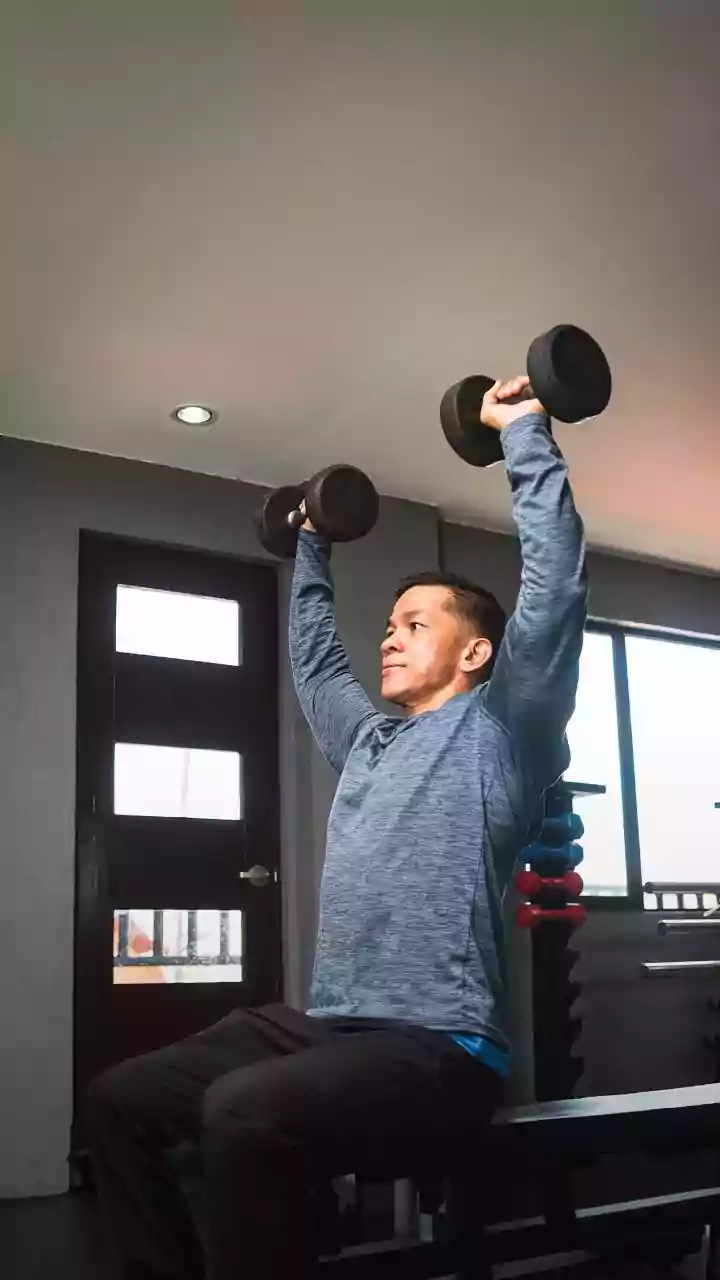
Strength training is essential for building muscle, which boosts your metabolism and supports your joints. You don’t need to lift heavy barbells to see benefits. The key is to start with movements that feel stable and controlled. Many foundational exercises can be modified to suit your body. For example, getting up and down from the floor can be challenging, so look for alternatives that keep you standing, seated, or use an incline.
Modifying Squats and Lunges
Squats are a fundamental movement, but deep squats can strain the knees. A 'box squat' or 'chair squat' is a perfect modification. Simply stand in front of a sturdy chair or box and perform the squat motion until you are seated, then stand back up. This controls the depth and ensures proper form. You can also hold onto a wall or counter for balance. If you have a wider stance, you might find more room and comfort for your body as you move.
Push-Ups and Planks for Every Body
Traditional push-ups and planks on the floor can put immense pressure on the wrists and require significant core strength. Start with incline or wall push-ups. Stand facing a wall, place your hands on it, and perform the push-up motion. As you get stronger, you can move to a lower, stable surface like a countertop or a bench. For planks, try them on your knees instead of your toes to reduce the load on your core and lower back. The goal is to maintain a straight line from your head to your knees.
Listen To Your Body
It's crucial to learn the difference between the discomfort of a challenging workout and sharp, stabbing pain. Muscle soreness that fades in a day or two is normal. However, sharp pain in your joints is a signal to stop. Don’t be afraid to end a workout early or take an extra rest day. Fitness is a marathon, not a sprint. Honouring your body's signals is the smartest way to prevent injury and ensure you can keep moving for years to come. Your body will tell you when it's ready to progress, perhaps by an exercise feeling easier or being able to do a few more repetitions.