



An Emerald-Green Transformation
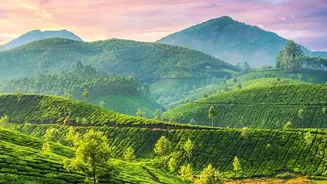
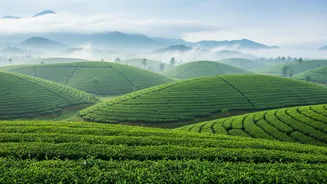
The first and most striking change the monsoon brings to Assam is the colour. The landscape, already green, explodes into an impossible spectrum of emerald, jade, and lime. The state’s famous tea gardens, stretching across vast plains and gentle slopes
in areas like Jorhat and Dibrugarh, become a breathtaking sight. The rain washes the dust from the leaves, leaving them glossy and vibrant. Walking through a tea estate during a light drizzle, with the fresh, clean scent of rain on tea leaves filling the air, is an experience that engages all the senses. The low-hanging clouds often drift through the gardens, creating a misty, dreamlike atmosphere that feels a world away from the hustle of daily life.
The Mighty Brahmaputra and Gushing Waterfalls
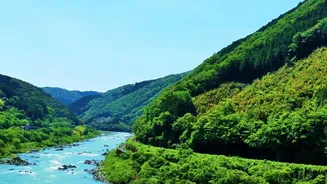
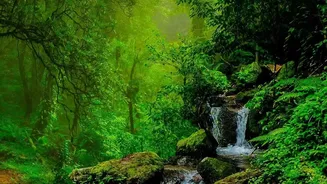
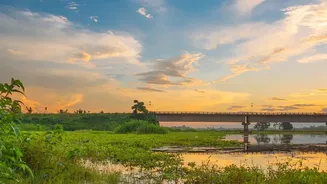
The monsoon is the season of water, and in Assam, this is dominated by the mighty Brahmaputra River. While the river can cause destructive floods, for a traveller in a safe location, watching its powerful, swollen form is a humbling spectacle. River cruises offer a unique perspective, showcasing the lush, rain-fed banks and the rhythm of life along the water. Beyond the river, the monsoon gives birth to countless seasonal waterfalls that cascade down the hills, particularly in regions like Haflong, Assam's only major hill station. These ephemeral streams, absent for most of the year, add a dynamic and musical element to the landscape, their roar a constant companion on a scenic drive.
Wildlife and Rejuvenated Sanctuaries
A crucial point for wildlife lovers: Kaziranga National Park, home to the one-horned rhinoceros, remains closed during the monsoon season due to flooding. Safaris are not possible from roughly May to October. However, this period of rest is vital for the park's ecology. For travellers, other opportunities abound. Parks like Dibru-Saikhowa, a biosphere reserve, remain open and offer a different kind of magic. Boat safaris there reveal a thriving wetland ecosystem. Birdwatching is especially rewarding across the state, as freshwater lakes like Deepor Beel become bustling hubs for resident and migratory birds, their songs filling the rain-washed air.
A Different Pace on Majuli Island
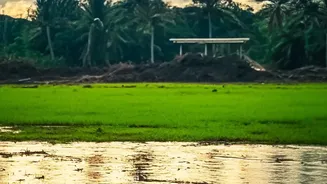
Majuli, the world's largest river island, offers a paradoxical experience during the monsoon. While heavy rains can disrupt ferry services and make travel unpredictable, those who venture here find an island at its most lush and serene. The paddy fields are a shocking, vibrant green, and life slows to a contemplative pace. It's a time for quiet immersion, staying in a local homestay, enjoying the rain from a bamboo porch, and understanding the island's deep connection to the river's cycles. It may not be for the tourist on a tight schedule, but for the slow traveller, it offers an authentic, rain-soaked, and unforgettable cultural experience.
Cultural Warmth and Monsoon Festivities
The monsoon in Assam isn't just a natural event; it's deeply woven into the cultural fabric. The season encourages a slower, more intimate pace of life. It’s the perfect time to enjoy a hot cup of local tea in a cozy café while watching the rain fall. The season also hosts significant cultural events. The Ambubachi Mela, a major Tantric festival, takes place at the Kamakhya Temple in Guwahati during the monsoon, attracting thousands of devotees and offering a profound spiritual spectacle. This blend of natural grandeur and deep-rooted tradition provides a warmth that contrasts beautifully with the cool, rainy weather, offering a rich and layered travel experience.