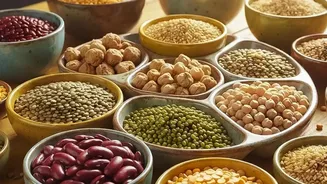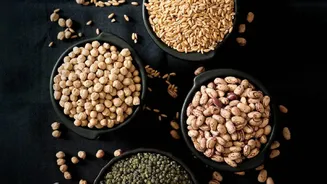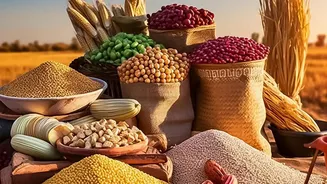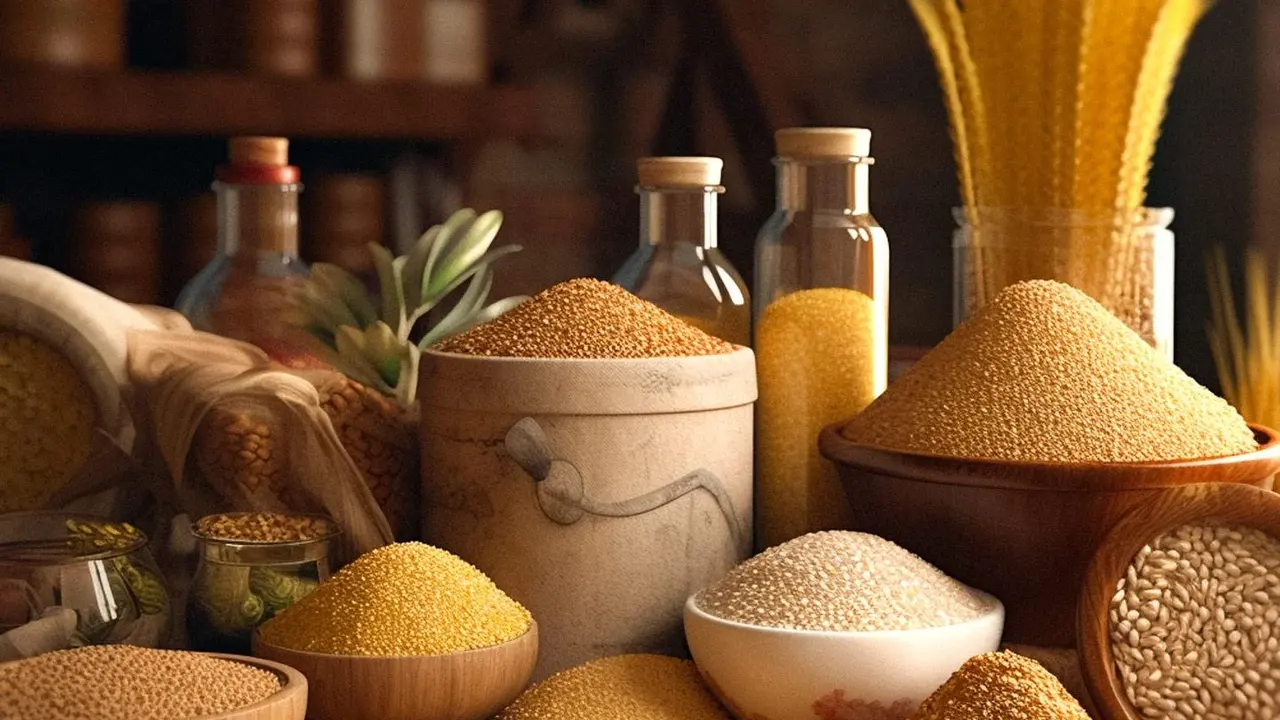

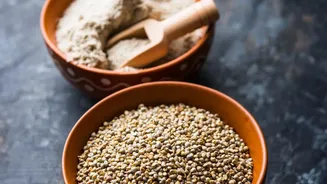
Tired of the same old rice and pasta? There is a world of delicious, nutrient-packed grains making a comeback in family kitchens. Ancient grains are winning over both kids and adults with their mild, nutty flavours and impressive versatility.
What Exactly Are Ancient Grains?
The term
'ancient grains' refers to grains that have remained largely unchanged by selective breeding for thousands of years. Unlike modern wheat or corn, which have been modified for higher yields, these grains are much closer to their original forms. This category includes true cereals like spelt and sorghum, as well as 'pseudocereals' like quinoa and amaranth, which are technically seeds but are cooked and eaten like grains. They are celebrated not only for their heritage but also for their robust nutritional profiles, often containing more fibre, protein, vitamins, and minerals than their more common counterparts.
The Flavour That Unites Palates
One of the biggest reasons for the rising popularity of ancient grains is their appealing taste. Many, such as quinoa, spelt, and millet, have a characteristic mild, nutty, or slightly sweet flavour that is far from bland. This makes them an easy and welcome addition to meals, even for children or adults who may be hesitant to try new foods. The gentle flavour profile serves as a perfect canvas, complementing a wide range of dishes without overpowering them. Toasting the grains in a dry pan before cooking can often enhance this nutty quality even more, adding a layer of comforting depth to your cooking.
Quinoa: The Versatile Crowd-Pleaser
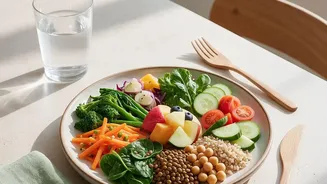
Quinoa is often the gateway to the world of ancient grains, and for good reason. Originally from South America, this powerhouse is a complete protein, meaning it contains all nine essential amino acids. It has a light, fluffy texture when cooked and a delicate nutty taste. Because it's naturally gluten-free, it's a fantastic option for those with sensitivities. Its versatility is unmatched; use it as a base for salads, a substitute for rice in stir-fries, a hearty addition to soups, or even as a creamy breakfast porridge. Kids often enjoy it as a simple swap for mac and cheese.
Millet: The Creamy, Comforting Staple
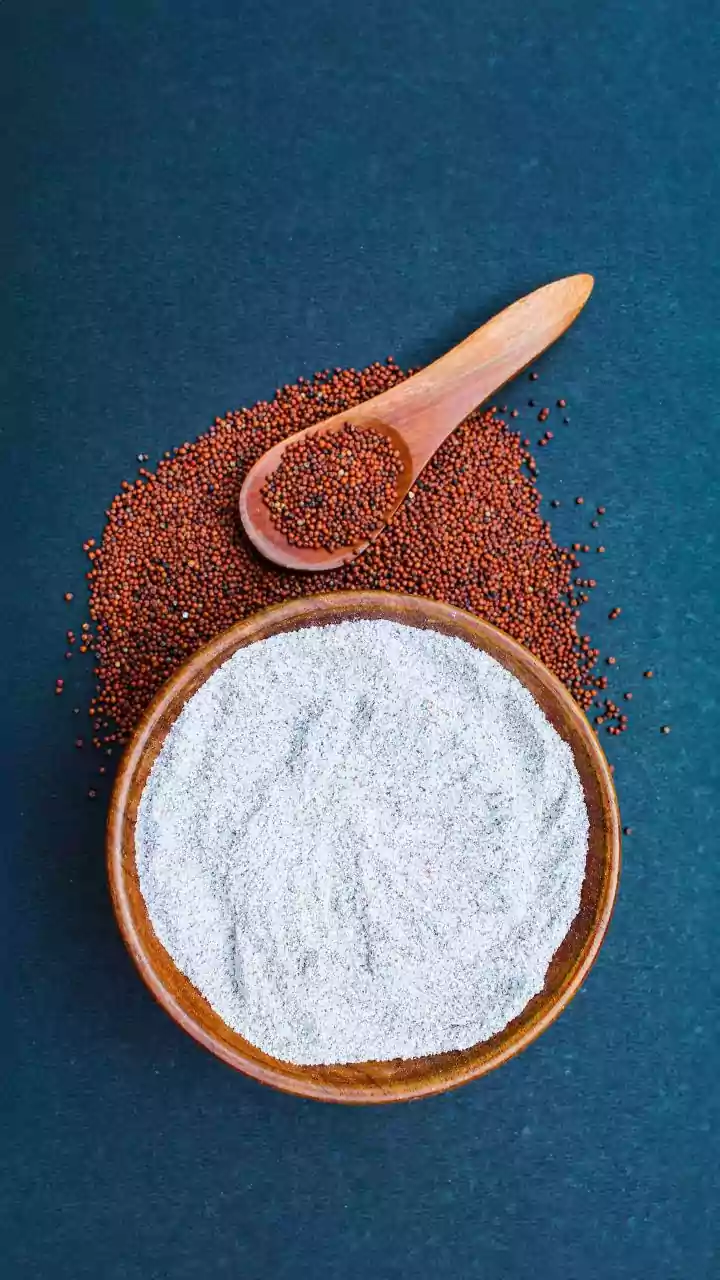
Often mistaken for birdseed, millet is a highly nutritious and wonderfully versatile grain that plays a staple role in diets across Asia and Africa. It has a mildly sweet, corn-like flavour and can be cooked to a fluffy texture like rice or a creamy consistency similar to porridge. Rich in minerals like magnesium, millet is also gluten-free and easy to digest. It works beautifully as a warm breakfast cereal topped with fruit, a fluffy side dish to soak up curries and stews, or baked into casseroles for a comforting family meal.
Amaranth: The Tiny Powerhouse
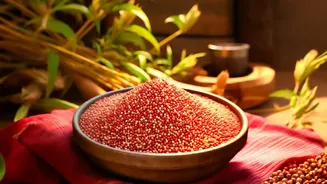
Amaranth may be tiny, but it packs a significant nutritional punch. This 'pseudo-grain' is rich in protein, calcium, and iron. When cooked, it develops a porridge-like consistency with a slightly peppery, malty, and nutty taste. Amaranth is excellent for thickening soups and stews, adding substance and nutrients with every spoonful. It can also be 'popped' like corn in a dry skillet to create a light, crunchy topping for salads, yogurt, or granola, offering a fun texture that children often enjoy. In India, it is popularly known as 'rajgira' and is enjoyed in various forms.
Sorghum: The Chewy and Satisfying Grain
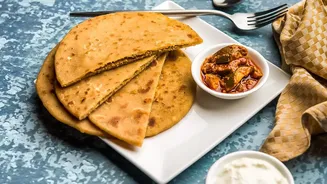
Known as 'jowar' in India, sorghum is a gluten-free grain with a satisfyingly chewy texture and mild, earthy flavour. It's incredibly versatile; the whole grain can be cooked and used in salads and grain bowls, while its flour is a popular alternative for making flatbreads like bhakri. One of the most enjoyable ways to prepare sorghum is to pop it. The popped kernels are smaller and more tender than popcorn, making for a delightful and healthy snack. Its robust texture holds up well in soups and makes for a filling side dish.
Tips for Your Kitchen
Getting started with ancient grains is simple. Many, like millet and sorghum, cook similarly to rice—just add water or broth and simmer until tender. Quinoa benefits from a quick rinse under cold water before cooking to remove its natural coating, called saponin, which can taste bitter. For extra flavour, try cooking your grains in vegetable or chicken broth instead of water. Preparing a large batch at the start of the week is a great time-saver, giving you a ready-to-use base for quick lunches and dinners. Don't be afraid to experiment by mixing them into your favourite recipes.