





An Enduring Classic
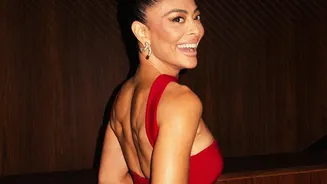
From red carpets to weddings and even chic office settings, the chignon remains a staple hairstyle for its versatility and grace. The name comes from the French phrase 'chignon de cou', which means nape of the neck—the traditional placement for this elegant,
knotted bun. While often seen at formal events, its clean lines make it a sophisticated choice for any occasion. The main difference between a simple bun and a chignon lies in its placement and construction; a chignon is specifically a low bun at the nape, often created with a twist or fold for a more intricate, polished appearance. Its enduring popularity is a testament to its ability to look both effortless and impeccably styled.
The Foundation of a Flawless Chignon
Before you even think about twisting your hair, the preparation is key. Many stylists agree that hair is often easier to style on the second day after washing, as freshly washed hair can be too soft and slippery. If your hair is too clean, a light spritz of dry shampoo or a texturizing spray can provide the necessary grip for your chignon to hold its shape all day. The goal is to start with a smooth, manageable base, as this will directly impact the final look. If your hair is prone to frizz, consider using a smoothing shampoo and conditioner in your washing routine leading up to styling. This initial prep work ensures that your hair is in the best possible condition to be shaped into a sleek updo.
The Most Important Step: Smooth Brushing
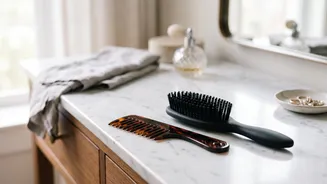
The headline says it all: smooth brushing is the non-negotiable step for a sleek chignon. This isn't just about detangling; it's about creating a uniform, glass-like surface. Brushing from root to tip helps to distribute the scalp's natural oils, which adds shine and helps tame frizz. For this task, a boar bristle brush is the undisputed champion. The natural bristles are excellent at smoothing the hair cuticle, creating a polished finish without the static that plastic brushes can cause. Before gathering your hair, brush it meticulously in the direction you plan to style it—down and back towards the nape of your neck. This 'tension mapping' ensures every strand is aligned, preventing the bumps and ridges that can ruin a sleek look.
Crafting the Classic Twist
With your hair perfectly smoothed, it's time to create the chignon. Start by gathering your hair into a low ponytail at the nape of your neck, securing it with an elastic. For an extra sleek look, use your boar bristle brush one last time to smooth down any flyaways around the hairline before securing the ponytail. Next, take the length of the ponytail and twist it from the base to the ends, creating a rope-like effect. Then, coil the twisted ponytail around the base of the elastic, forming the bun shape. How tightly you twist and coil will determine the final look—a tighter twist results in a more compact, formal chignon, while a looser coil gives a softer feel. Don't worry if it's not perfect on the first try; practice is key.
Securing and Finishing Your Look
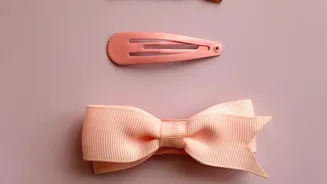
Once your chignon is coiled, the final step is to secure it firmly. Tuck the ends of your hair underneath the bun and use bobby pins to lock it in place. The trick is to anchor the pins by sliding them into the base of the bun and catching the hair from your scalp underneath. Use as many as you need for your hair to feel secure. For a truly polished finish, address any remaining flyaways. You can use a small amount of styling cream, wax stick, or a smoothing serum on your fingertips to gently tame any stray hairs. A final, light mist of a flexible-hold hairspray will provide extra security and shine without making your hair feel stiff or crunchy, ensuring your elegant style lasts all day or night.