



Choosing the Right Pot and Plant
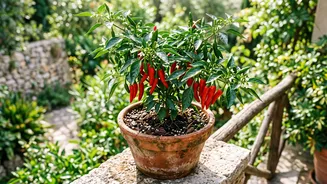
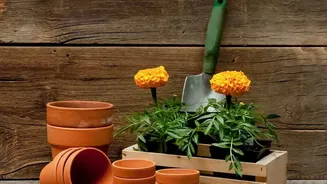
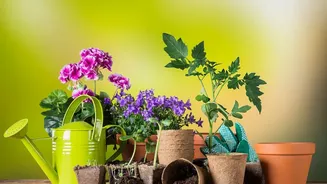
Your journey begins with the right foundation. Thai chillies, also known as Bird's Eye chillies, are compact and well-suited for container gardening. Select a pot that is at least 10-12 inches (around 5 gallons or 10 litres) in diameter to give the roots
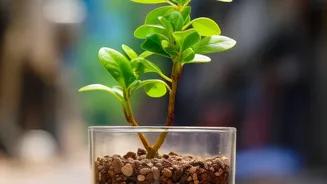
ample space to develop. Ensure the pot has plenty of drainage holes to prevent waterlogging, a common issue that chilli plants dislike. Terracotta pots are a great choice as they are porous and allow the soil to breathe. When it comes to the plant itself, you can start from seeds indoors about 8-10 weeks before the last frost or purchase a healthy seedling from a local nursery for a head start. Look for a plant with vibrant green leaves and no signs of pests or disease.
Creating the Perfect Environment
Thai chillies are sun-worshippers, a trait that makes them well-suited to the Indian climate. They require at least 6-8 hours of direct, bright sunlight every day to thrive and produce a bountiful harvest. An east- or south-facing balcony or terrace is ideal. The soil should be light and well-draining. A high-quality potting mix designed for vegetables, amended with organic compost, provides the necessary nutrients and structure. Consistent moisture is key, but overwatering is the enemy. Water the plant deeply whenever the top inch of soil feels dry to the touch, and then allow it to dry out slightly before watering again.
Caring For Your Growing Plant
As your chilli plant grows, a little maintenance goes a long way. To encourage a bushier plant with more fruit, you can pinch off the top growing tips when the plant is about 6-8 inches tall. This redirects energy into producing more side shoots. Feed your plant every few weeks during the growing season with a balanced fertiliser that is high in potassium, such as a tomato feed, to encourage flowering and fruiting. Keep an eye out for common pests like aphids. If you spot any, a sharp spray of water or an application of neem oil is often enough to take care of the problem.
Recognising the Ripening Stages
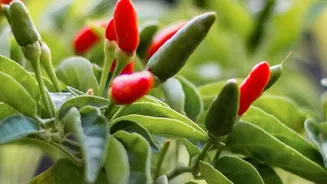
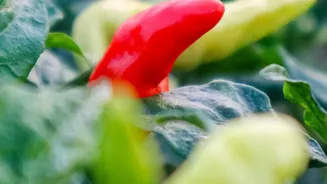
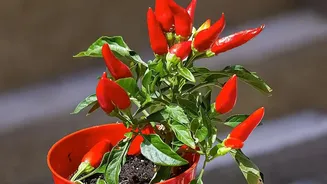
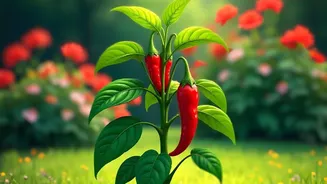
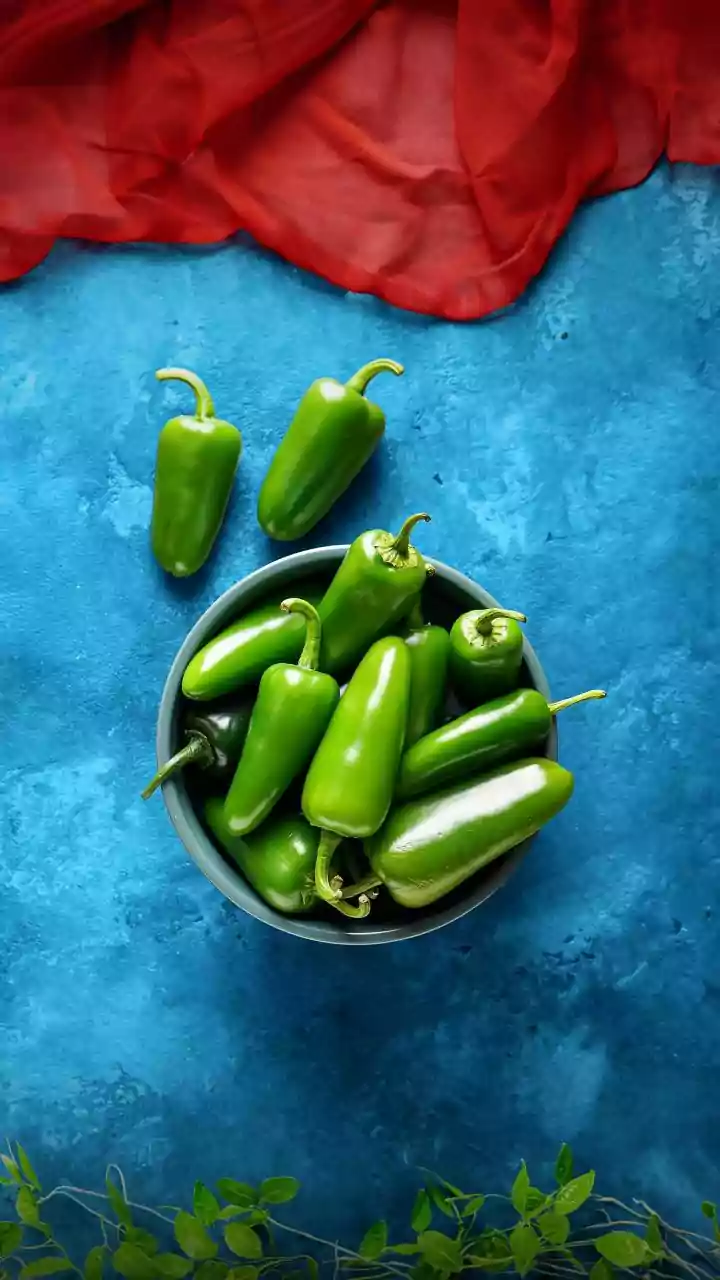
Patience is a virtue when waiting for your chillies to ripen. The peppers will first appear and grow to their full size while they are green. They can be harvested at this stage for a milder, sharper flavour. However, for the full, fiery heat and sweeter, more complex flavour that Thai chillies are known for, you must wait for them to change colour. Most Thai chilli varieties ripen from green to a vibrant, glossy red. This process can take several weeks, and you will often see chillies at different stages of ripeness on the same plant simultaneously.
The Art of a Perfect Harvest
The best time to harvest is when the chilli has reached its full, final colour—usually a bright red—and feels firm to the touch. A ripe chilli will also have a noticeable fragrance. To harvest, use a pair of scissors or small pruning shears to snip the pepper from the stem, leaving a small piece of the stem attached. Pulling the chillies off by hand can damage the delicate branches of the plant. Regular harvesting is encouraged; the more you pick, the more the plant is stimulated to produce new flowers and, subsequently, more chillies.
Using and Storing Your Bounty
Freshly harvested Thai chillies are a culinary delight. Use them to add a kick to curries, stir-fries, and homemade chilli pastes. For short-term storage, fresh chillies can be kept in a paper bag in the refrigerator for about a week. For longer-term preservation, they are excellent for drying. Simply spread them on a tray in a well-ventilated area or string them up to air-dry. Once fully dried, they can be stored in an airtight container for months, ready to add a burst of heat to your cooking whenever you need it.