

Understanding the Solar Threat
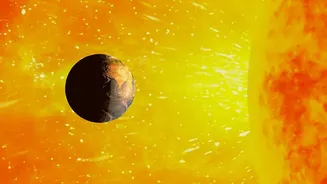
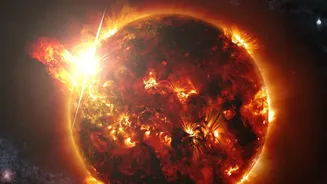
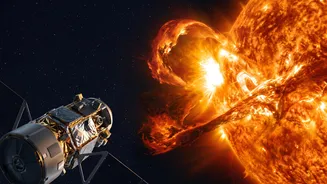
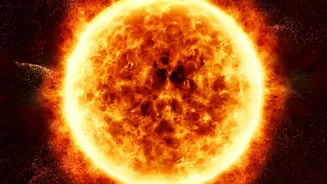
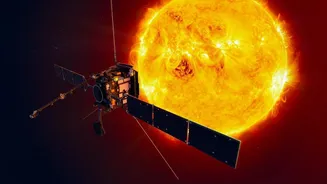
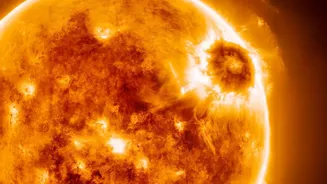
When we talk about a solar storm, we're usually referring to a coronal mass ejection (CME). This is a massive explosion on the sun's surface that hurls a cloud of magnetized plasma into space. While solar flares, which are bursts of radiation, can disrupt
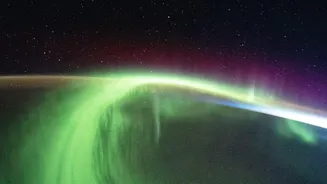
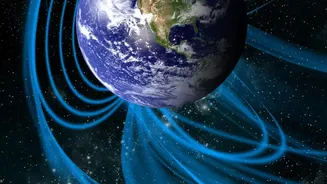
radio signals within minutes of occurring, it's the slower-moving CMEs that pose the biggest threat to our infrastructure. If a CME is aimed at Earth, it can take one to three days to arrive, slamming into our planet's magnetic shield and triggering a geomagnetic storm. This is the phenomenon responsible for the beautiful auroras, but it can also induce powerful electrical currents on the ground.
The Greatest Vulnerability: Power Grids
Our electrical grids are perhaps the most vulnerable part of our modern infrastructure. Geomagnetically induced currents (GICs) can flow through the long conductors of high-voltage transmission lines. These quasi-DC currents are not what our systems are designed to handle. They can cause large power transformers to overheat and saturate, potentially leading to permanent damage. Replacing these custom-built, expensive transformers is not a quick process; it could take weeks, months, or even years, leading to prolonged, widespread blackouts. The 1989 solar storm that caused a 12-hour blackout across Quebec was a relatively minor preview of what a more powerful storm could do.
Satellites and GPS Under Siege
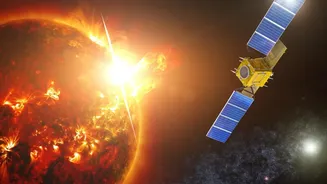
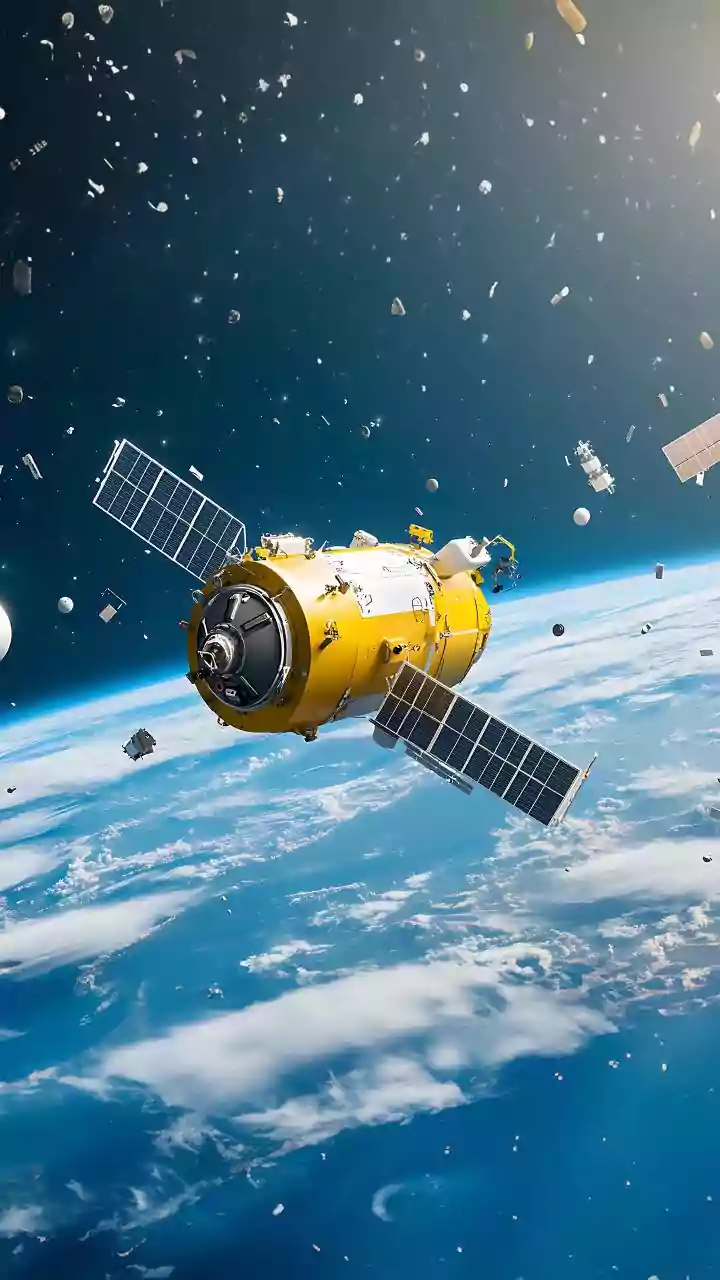
Our presence in space is also at high risk. Satellites, which are crucial for everything from GPS navigation and weather forecasting to financial transactions and global communications, are directly exposed to the fury of a solar storm. The charged particles can damage sensitive onboard electronics and degrade solar panels, shortening a satellite's lifespan. An extreme event could heat and expand Earth's upper atmosphere, increasing drag on low-orbit satellites and causing them to lose altitude. Furthermore, the disruption to the ionosphere can garble GPS signals and interfere with long-range radio communications used by aircraft and ships, potentially grounding flights for days.
Concerns of an 'Internet Apocalypse'
The idea of an "internet apocalypse" has gained traction, focusing on the vulnerability of the submarine fiber optic cables that form the backbone of global connectivity. These cables have signal-boosting repeaters every 30 to 100 miles, and these electronic components could be susceptible to damage from induced currents. While some research suggests that the cables themselves are robust and designed to handle significant voltage fluctuations, the simultaneous failure of dozens of these repeaters could severely slow or halt intercontinental data traffic for an extended period. Local and regional networks are generally considered less at risk.
The Cascading Effects on Daily Life
The consequences of these technological failures would ripple through every aspect of modern life. Without power, digital payment systems would fail, ATMs would be useless, and fuel stations couldn't pump gasoline. Water systems that rely on electric pumps could shut down. The failure of GPS and communication systems would cripple logistics and supply chains, making it difficult to deliver food and essential goods to urban centres. This cascading failure highlights our profound dependence on interconnected technological systems, where a failure in one domain can trigger a crisis in another. The historical precedent is the Carrington Event of 1859, which caused telegraph systems worldwide to spark and fail; a similar event today would have a far more devastating impact on our electrified, digital world.