


An Edible Piece of Nostalgia
Close your eyes and picture it: the family car is packed, the playlists are ready, and someone in the front seat turns around holding a steel tiffin or a bundle wrapped in aluminium foil. The moment it’s opened, a familiar, comforting aroma fills the air—a
mix of fenugreek, turmeric, and toasted dough. This is the scent of the Indian road trip. The thepla is not merely food; it’s a core memory. It’s the taste of childhood vacations, college trips with friends, and pilgrimage journeys with grandparents. This simple, spiced flatbread is so deeply woven into our travel culture that the idea of a long drive without it feels incomplete, like a movie without a soundtrack.
The Perfect Travel-Engineered Food
From a purely practical standpoint, the thepla is a marvel of food engineering, perfectly designed for consumption on the go. Firstly, it requires zero assembly and minimal fuss. You don’t need a plate, a spoon, or a fork. It can be eaten cold or at room temperature, tasting just as delicious as when it’s hot off the tawa. Secondly, it’s a no-mess affair. Unlike a gravy-based dish or a crumbly sandwich, a well-made thepla holds its form. It can be rolled, folded, and eaten with one hand, leaving the other free to point out landmarks or manage the music. It’s a complete, satisfying meal in a disc, packed with carbs for energy and spices for flavour, often enjoyed with a simple pickle or a dollop of yogurt if you’re feeling fancy at a pitstop.
The Science of a Long Shelf Life
The true genius of the thepla lies in its impressive longevity. How does it stay fresh for days without refrigeration? The secret is in the recipe. Most traditional theplas, especially the popular 'methi na thepla' (fenugreek thepla), are made with ingredients that act as natural preservatives. The dough is kneaded with a generous amount of oil, which creates a protective layer and prevents it from drying out. Spices like turmeric and ajwain (carom seeds) have antimicrobial properties. Furthermore, fenugreek leaves, whether fresh or dried (kasuri methi), inhibit spoilage. The moisture content is kept relatively low, and sometimes yogurt is used instead of water, with its acidity helping to preserve the dough. This culinary alchemy ensures that theplas made on a Monday are still perfectly soft and delicious on a Wednesday or Thursday.
The Art of Packing Them Right
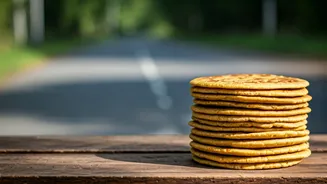
While the recipe provides longevity, the packing method is what guarantees perfection upon arrival. Every family has its own trusted technique, passed down through generations. The cardinal rule is to let the theplas cool down completely before packing. Stacking them while still warm traps steam, resulting in a soggy, disappointing mess. Once cool, they are typically stacked with a small piece of butter paper or a thin layer of foil between every few theplas to prevent them from sticking. The entire stack is then wrapped tightly in aluminium foil, which locks in moisture and flavour, and finally placed in an airtight container. This meticulous process isn't just about preservation; it's a ritual, a final act of care before the journey begins.
More Than a Snack, It’s a Connection
Ultimately, the reason long drives need fresh theplas goes beyond practicality. It’s about emotion. A stack of theplas is a piece of home that you carry with you. It’s the effort and love of the person—usually a mother or grandmother—who woke up early to prepare them. In a world of fast-food chains and generic highway rest stops, thepla is a declaration of identity. It’s a comforting, familiar taste that grounds you, no matter how far you are from your own kitchen. It connects generations, with the same recipe being shared on a trip with your parents and later, on a trip with your own children. It transforms a simple meal break into a moment of shared joy and tradition.