
The Science of Small Spaces
The primary reason shallow containers lose moisture so quickly comes down to simple physics. With less soil volume, there's simply a smaller reservoir to hold water. A plant in the ground can send its roots deep to search for moisture, but a potted plant is confined
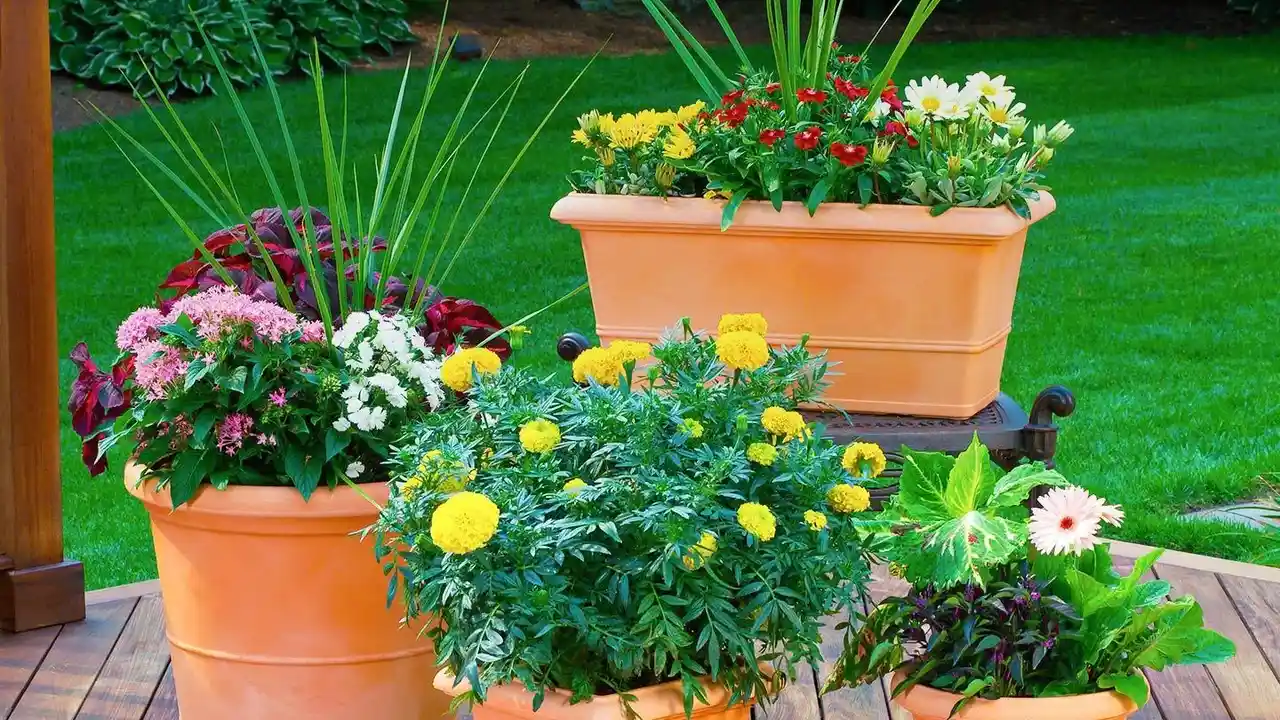
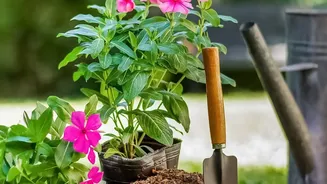
to its container. When that container is shallow, the water supply is depleted much faster. Furthermore, shallow pots have a greater surface-area-to-volume ratio. This means more of the soil is exposed to air, which significantly speeds up evaporation, especially on warm or windy days. The pot material itself also plays a role. Porous materials like unglazed terracotta wick moisture away through their walls, while dark-coloured plastic pots can absorb heat, essentially baking the soil and roots.
How to Properly Check for Thirst
Relying on a fixed watering schedule is a common mistake. The best way to know if your plant needs a drink is to check the soil directly. The classic “finger test” is reliable: insert your index finger about an inch or two into the soil. If it feels dry at that depth, it's time to water. If it feels cool and moist, you can wait. Don’t be fooled by a dry-looking surface, as the soil below could still be damp. Another effective method is to gauge the pot's weight. A freshly watered pot will feel noticeably heavier than a dry one. For a more technical approach, a soil moisture meter can take the guesswork out of the equation by providing a reading from the root zone. Some gardeners also use a simple wooden skewer; if it comes out clean and dry, the plant is thirsty.
Mastering Your Watering Technique
When you do water, do it thoroughly. Lightly sprinkling the surface is not enough, as this encourages shallow root growth and the water evaporates before it can be absorbed. The goal is to water slowly and deeply until you see water running freely from the drainage holes at the bottom. This ensures the entire root ball has been saturated. The best time to water is in the early morning. This minimizes evaporation and allows the plant to hydrate before the heat of the day. Watering in the evening can sometimes leave foliage wet overnight, which may encourage fungal diseases. If your soil has become so dry that it has pulled away from the sides of the pot, water may run straight down the sides and out the bottom without soaking in. To fix this, let the pot sit in a saucer of water for 10-15 minutes to rehydrate from the bottom up.
Smarter Soil and Moisture Conservation
Using the right soil can make a significant difference. Never use garden soil, which is too dense and compacts easily in pots. Instead, use a quality potting mix designed for containers. Look for mixes containing ingredients like peat moss or coconut coir, which are excellent at retaining moisture while still providing good aeration. Adding compost can also improve water retention and provide essential nutrients. To further reduce water loss, apply a layer of mulch on top of the soil. Materials like shredded bark, small rocks, or pebbles can insulate the soil, keep it cool, and dramatically reduce evaporation. Finally, consider your plant choices. Grouping several pots together can create a more humid microclimate, benefiting all the plants. And for those notoriously hot and sunny spots, selecting drought-tolerant plants from the start can make your container gardening journey much more successful.