








The Rise of the ‘Active Couch Potato’
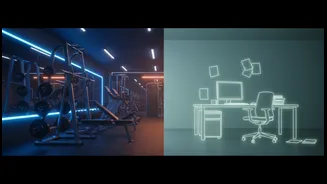
It sounds like a contradiction, but the “active couch potato” is a growing phenomenon. This term describes someone who meets or even exceeds the recommended weekly exercise guidelines but spends the vast majority of their waking hours being sedentary.
Research shows that prolonged sitting is an independent risk factor for health issues, including heart disease, diabetes, and certain cancers. An intense, hour-long workout simply can't fully counteract ten or more hours of inactivity. The body's metabolism slows down, circulation is impaired, and key muscle groups can weaken from being in a static position all day. Think of it this way: you can’t out-exercise a day of stillness any more than you can outrun a poor diet.
Why Your Workout Isn't a Magic Bullet
When you sit for extended periods, your body shifts into a low-energy state. The large muscles in your legs and back become inactive, your circulation slows, and your body's ability to regulate blood sugar is reduced. A single, vigorous workout, while beneficial for cardiovascular health and muscle strength, doesn't fully reverse these day-long metabolic changes. Studies have found that even for people who exercise regularly, high amounts of sedentary time are still linked to negative health outcomes. The key isn't just to exercise, but to break up long periods of sitting throughout the entire day.
The Power of NEAT
The secret weapon against a sedentary job is something called Non-Exercise Activity Thermogenesis, or NEAT. This is the energy you expend for everything you do that isn't formal exercise, eating, or sleeping. It includes simple actions like walking to a colleague’s desk instead of sending an email, taking the stairs, fidgeting in your chair, or even just standing up. These small, seemingly insignificant movements add up, keeping your metabolism active and muscles engaged. Remarkably, the difference in daily energy expenditure from NEAT can vary by up to 2,000 calories between two people of similar size. By focusing on increasing your NEAT, you transform calorie-burning from a single daily event into an all-day process.
Integrate ‘Movement Snacks’ Into Your Day
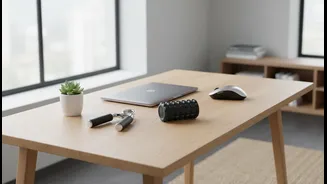
The most effective strategy is to sprinkle “movement snacks” or “micro-movements” throughout your workday. These are short, intentional bursts of activity that can be done without even leaving your desk area. Set a timer to stand up and stretch every 30 minutes. While on a phone call, pace around your office or home. Try doing simple bodyweight exercises like squats or calf raises while waiting for a document to print. Other easy micro-movements include rotating your ankles under your desk, doing seated spinal twists, or pointing and flexing your feet. These small actions improve circulation, reduce muscle stiffness, and boost energy and focus.
Rethink Your Workspace and Habits
Your environment can either encourage or discourage movement. Consider a sit-stand desk, which allows you to alternate between sitting and standing, increasing your heart rate and circulation. If that's not an option, find other ways to change your position. Work from a high counter for part of the day, or propose walking meetings for brainstorming sessions. Simple habit changes can also make a big difference. Park farther away from the office entrance, always take the stairs, and make it a rule to stand up every time you take a drink of water. By redesigning your routine and workspace, you can build movement into the fabric of your day, making it an automatic habit rather than another task on your to-do list.