
1. White Rice for Millets
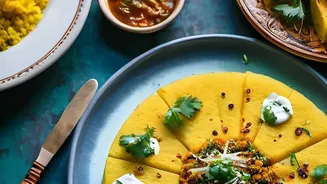
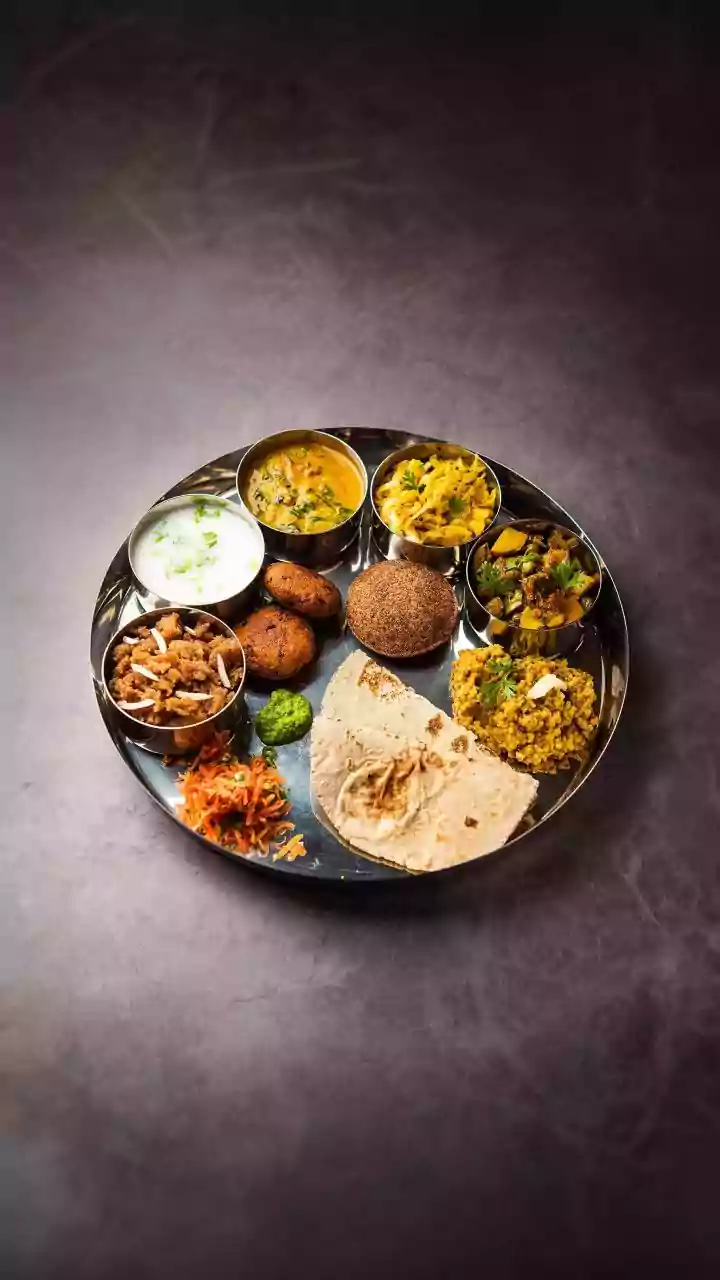
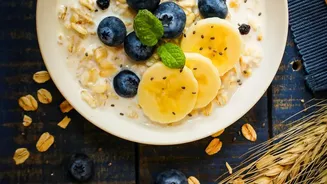
The humble millet is making a major comeback. Swapping polished white rice for nutrient-dense millets like jowar, bajra, and ragi is a top trend. These ancient grains are high in fibre, gluten-free, and have a lower glycemic index, helping to manage blood
sugar levels. Plus, they are drought-resistant, making them an environmentally smarter choice for farmers. The government's push for millet cultivation has also made them more accessible than ever.
2. Refined Oils for Cold-Pressed Oils
Households are moving away from heavily processed refined oils and embracing traditional cold-pressed varieties like mustard, groundnut, and sesame oil. The cold-pressing technique avoids heat and chemical solvents, which helps retain more natural nutrients, antioxidants, and the oil's original flavour. While refined oils have a higher smoke point, consumers are prioritizing the nutritional benefits and purity of cold-pressed options for everyday cooking.
3. Refined Sugar for Jaggery & Date Syrup
The war on white sugar is on. Families are switching to unrefined sweeteners like jaggery (gur) and date syrup. Unlike empty-calorie refined sugar, jaggery retains minerals like iron and magnesium. Date syrup, made from whole dates, offers fibre and antioxidants. This swap is less about cutting out sweetness entirely and more about choosing sweeteners that offer some nutritional value.
4. Imported Quinoa for Local Amaranth
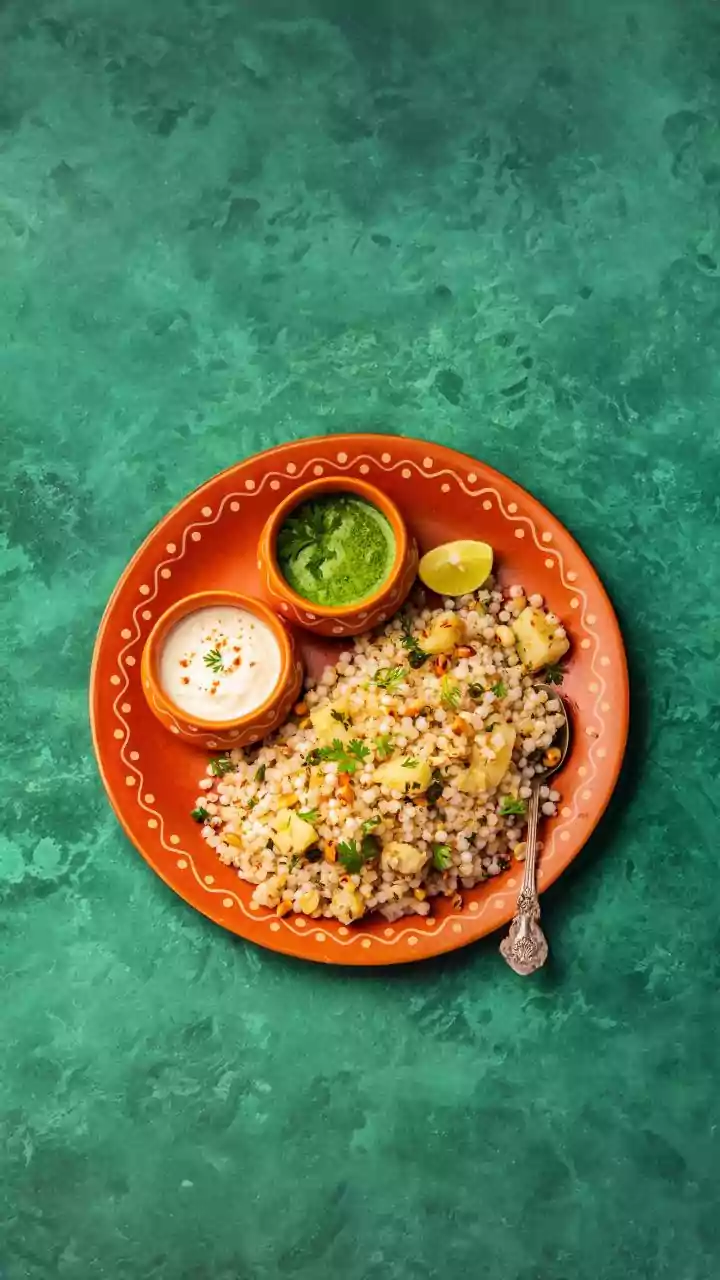
For years, quinoa was the go-to 'superfood' grain. Now, the focus is shifting to a homegrown equivalent: amaranth (rajgira). Amaranth is a complete protein, just like quinoa, but often comes with a lower price tag and a smaller carbon footprint since it's widely grown in India. It's also rich in iron and calcium, making it a powerful local alternative.
5. Regular Meat for Jackfruit
Unripe jackfruit (kathal) has been a staple in Indian cooking for centuries, but it's now gaining new life as a popular meat substitute. Its fibrous, stringy texture mimics pulled pork or chicken, making it a versatile base for curries, biryanis, and even tacos. As more people adopt plant-based or flexitarian diets, this traditional vegetable is becoming a star player in modern vegan cuisine.
6. Paneer for Plant-Based Paneer & Tofu
While paneer remains a beloved staple, the rise of plant-based eating is creating space for alternatives. The Indian plant-based protein market is booming, with soy and pea protein leading the charge. Tofu and other plant-based paneer alternatives are increasingly being used in scrambles (bhurji), curries, and parathas, catering to vegans and those looking to reduce their dairy intake.
7. Polished Rice for Heirloom Rice
Beyond the basic white or brown, a fascination for India's diverse heirloom rice varieties is growing. Grains like Karuppu Kavuni (black rice), Mappillai Samba (red rice), and Seeraga Samba are being sought for their unique flavours, textures, and nutritional profiles. These traditional varieties were cultivated for generations for their resilience and taste, not just high yield, and represent a return to agricultural roots.
8. Potato Chips for Roasted Makhana
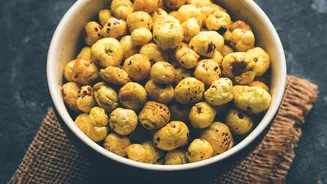
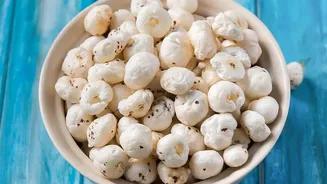
The snack aisle is also getting a makeover. Fried potato chips and namkeen are being swapped for roasted makhana (fox nuts). Once primarily a food for fasting, makhana is now a mainstream snack, loved for its crunch and light texture. It's a good source of protein and fibre, appealing to health-conscious snackers looking for a guilt-free option between meals.
9. Sugary Drinks for Probiotic Beverages
Instead of reaching for a sugary soda or packaged juice, many are opting for gut-friendly drinks. Kombucha, a fermented tea, and other probiotic beverages are appearing in more refrigerators. This trend reflects a growing awareness of gut health and its connection to overall wellness. Consumers are looking for drinks that do more than just quench thirst; they want functional benefits.
10. All-Purpose Flour for Blended Flours
The plain maida or atta is increasingly being replaced by custom flour blends. Home cooks are mixing whole wheat flour with millet flours (like jowar or ragi) or even nut flours to make rotis, bread, and baked goods. This simple swap boosts the fibre and nutrient content of everyday staples, making meals more wholesome without sacrificing familiar comforts.