




The Hero Hiding in Plain Sight
Forget truffle-infused everything and deconstructed desserts for a moment. The dish that’s truly capturing the hearts and stomachs of Indians right now is far more familiar. It’s the one-pot wonder that has been a staple in our kitchens for centuries:
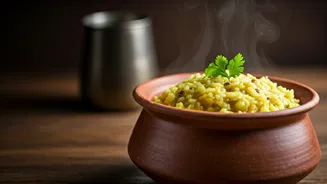
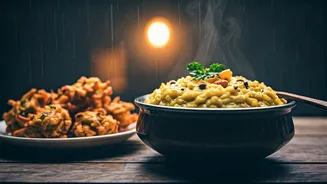
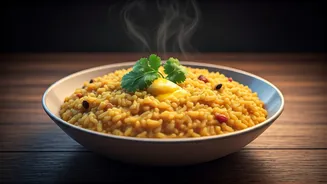
khichdi. For years, it was relegated to the category of ‘sick-day food’ or a quick, no-fuss meal. But a quiet revolution has been brewing. From gourmet restaurant menus in Mumbai and Delhi to viral Instagram reels by home chefs, khichdi is shedding its modest reputation and stepping into the spotlight as a symbol of sophisticated comfort. It’s the culinary equivalent of a warm hug, and in our chaotic modern lives, that’s a craving we can all understand.
More Than Just Rice and Dal
The perception of khichdi as bland convalescent food does it a great disservice. Its history is rich, diverse, and deeply woven into the fabric of Indian cuisine. The dish gets a mention in ancient texts, and even the Mughal emperors had their own luxurious versions, prepared with rich ghee, aromatic spices, and dry fruits. The beauty of khichdi lies in its incredible versatility. It is the ultimate culinary canvas, reflecting the unique geography and palate of every region. It’s a testament to the idea that a simple combination of rice and lentils can be a complete, nutritious, and deeply satisfying meal, celebrated for its perfect balance of carbohydrates and protein. It was never just 'dal-chawal' mashed together; it has always been a thoughtfully constructed dish in its own right.
A Culinary Map of India
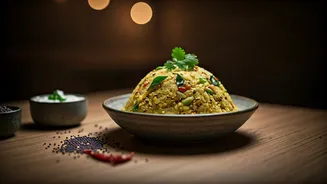
To understand khichdi is to take a tour of India. In West Bengal, the bhoger khichuri is a festive delicacy made with roasted moong dal and gobindobhog rice, fragrant with ginger and ghee, and often served without onion or garlic during pujas. Head west to Gujarat, and you’ll find a lighter, soupier version, often served with a dollop of curd and a side of kadhi. In Hyderabad, the Nizami influence gives us a spicy, flavourful khichdi eaten for breakfast with a tangy tamarind chutney called ‘khatta’. The Bisi Bele Bath of Karnataka is its own complex, spicy, and vegetable-laden cousin. Each variation tells a story of local produce, climate, and culture. This regional diversity is a key reason for its enduring appeal—there is a khichdi for every mood and every palate.
The 21st-Century Makeover
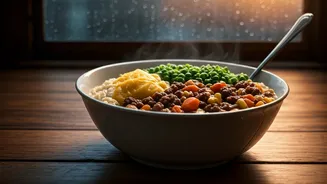
So, what’s driving its current resurgence? A desire for wellness and a return to roots, but with a modern twist. Today’s khichdi is not just about nostalgia; it’s about innovation. Health-conscious millennials and Gen Z are swapping out white rice for millets, quinoa, or brown rice. Chefs are adding exotic vegetables like broccoli and zucchini, or giving it a gourmet finish with toppings like crispy fried onions, toasted nuts, a drizzle of truffle oil, or a spoonful of pesto. The classic one-pot meal is now appearing in trendy cafe bowls, marketed as a wholesome, gluten-free, and customisable superfood. It perfectly aligns with the global trend of ‘bowl food’—easy, comforting, and visually appealing meals served in a single dish.
The Psychology of a Simple Meal
Ultimately, the craving for khichdi is about more than just food. It’s a psychological reset. In a culture that often glorifies hustle and complexity, the act of making and eating a simple, one-pot meal is grounding. It connects us to our childhood, to the memory of a parent or grandparent cooking for us. It’s a dish that demands nothing from you but delivers everything you need: nourishment, warmth, and a profound sense of well-being. It reminds us that sometimes, the most comforting things in life are the simplest. It’s not just a trend; it’s a collective return to what truly matters.