



A Landscape Reborn in Green
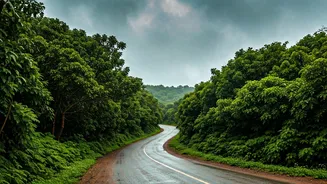
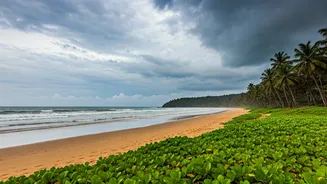
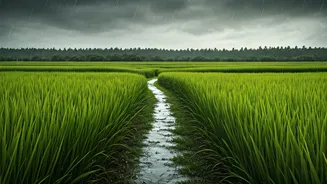
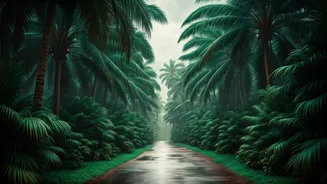
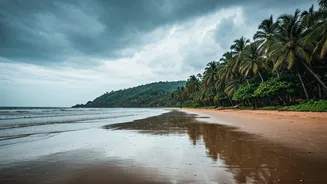
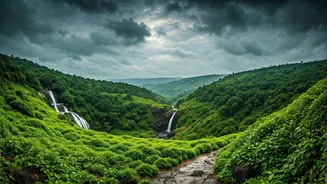
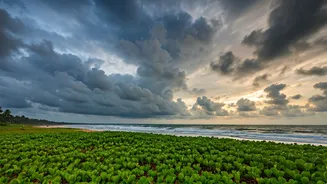
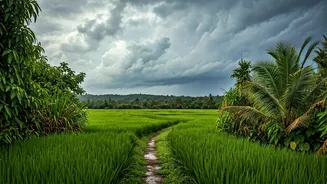
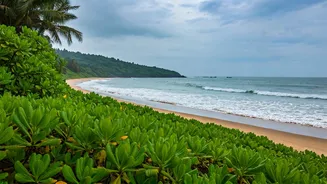
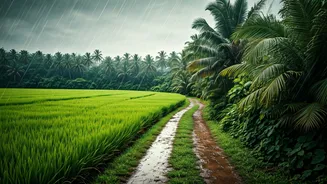
When the monsoon arrives, typically from June to September, Goa undergoes a dramatic transformation. [21] The once sun-scorched earth becomes a carpet of vibrant, emerald green. [4, 13] Paddy fields glisten under the rain, the Western Ghats are shrouded
in mist, and the countryside bursts into life. [13, 16] This is the season when Goa’s natural beauty is at its most potent. The air is thick with the scent of petrichor—the smell of wet earth—and the constant, gentle drizzle provides a soothing soundtrack to a slower pace of life. [4] Driving through the winding village roads, flanked by lush foliage and old Portuguese houses, becomes an experience in itself. [8, 14]
The Allure of Waterfalls and Wildlife
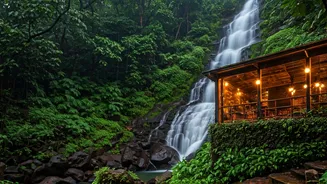
While the sea might be too rough for swimming, the monsoon swells Goa's inland water bodies, creating spectacular sights. [3, 6] The famed Dudhsagar Falls, whose name translates to "Sea of Milk," is at its most powerful and majestic during this period, cascading down from a height of over 300 meters. [6, 22] Reaching it via a jeep safari or a trek through the Bhagwan Mahavir Wildlife Sanctuary is a popular monsoon adventure. [4, 18] Beyond Dudhsagar, smaller waterfalls like those at Tambdi Surla and Netravali come alive, offering scenic trekking opportunities. [16] The state's wildlife sanctuaries, including Mhadei and Cotigao, are teeming with life, making it a prime time for spotting birds, butterflies, and other fauna against a verdant backdrop. [4, 7]
Fewer Crowds, Lower Costs
Perhaps one of the most significant advantages of visiting Goa during the off-season is the peace and quiet. [10, 14] The hordes of tourists are gone, leaving the beaches tranquil and the roads empty. [14] This provides a rare opportunity to experience a more authentic, local side of Goa, interacting with communities at a relaxed pace. [12, 15] This absence of crowds is complemented by significant savings. Flights, luxury accommodations, and even vehicle rentals are available at a fraction of their peak-season prices, making an indulgent holiday surprisingly budget-friendly. [12, 13, 15]
A Feast for the Senses
Goan cuisine takes on a special character during the monsoon. With sea fishing often restricted, the focus shifts to river fish, dried prawns (Samarachi Kodi), and a bounty of fresh, locally grown vegetables. [23, 24] It's the season for comforting, soulful dishes like Sorak, a simple vegetarian coconut curry, and Khatkhate, a mixed vegetable stew. [9, 24] You'll also find unique monsoon delicacies like Patoleo, a sweet rice cake steamed in turmeric leaves, often prepared for the Sao Joao festival. [9, 11] Exploring spice plantations in places like Ponda is another monsoon highlight, as the rain enhances the aroma of cloves, cardamom, and cinnamon hanging heavy in the air. [7, 18]
Embracing the Adventure
For the adventurous, the monsoon opens up a different set of activities. The swelling rivers, particularly the Mhadei River, become perfect for white-water rafting, offering thrilling Class II and III rapids. [5, 19] Kayaking along the calm backwaters of the Chapora River or exploring the islands of Divar and Chorao on a scooter or bicycle offers a unique perspective of the Goan hinterland. [3, 4] Even a simple drive through the misty Chorla Ghats can be a breathtaking experience, with clouds rolling over the mountains. [3] And while many beach shacks close, the main tourist areas like Baga and Calangute still retain a lively nightlife for those seeking it. [18, 21]