

The End of the Annual Escape
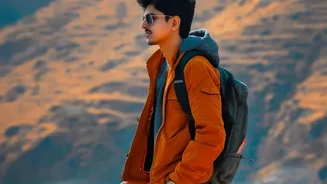
The concept of a 'three-trip year' is gaining serious traction among young Indians. It marks a fundamental shift from the traditional model of saving up all year for one big, two-week holiday. Instead, Gen Z is opting for a series of shorter, more frequent
breaks. Research shows a significant preference for this model, with one study finding 70% of young urban travellers in India would rather take three short trips than one long vacation. This isn't just about cramming more destinations into a calendar; it's about integrating travel into the fabric of life, treating it less like a rare reward and more like a regular necessity for well-being and self-discovery. These trips are often spontaneous, booked just days or weeks in advance, turning a free weekend into an opportunity for a new experience.
The Experience Economy Takes Over
At the heart of this trend is a deep-seated value shift. For many Gen Zers, experiences trump possessions. A boarding pass is seen as a greater status symbol than a new gadget. This generation is building what some call an “internal portfolio” of memories and personal growth, rather than an external one of physical assets like cars or property. This mindset makes multiple, smaller trips more logical. Each trip is an opportunity to collect a new experience—be it a music festival, a food trail, a wellness retreat, or simply escaping routine to de-stress. The goal is no longer to just see a place, but to feel something new, making the 'why' of the trip more important than the 'where'.
Financial Flexibility and Digital Savvy
This travel-heavy lifestyle seems expensive, but Gen Z is making it work through a combination of smart budgeting and new financial tools. They are willing to cut back on daily expenses like shopping to fund their wanderlust. The rise of 'Buy Now, Pay Later' (BNPL) services for travel, offered by airlines and booking platforms, has also been a game-changer. These services allow travellers to book flights and hotels with minimal upfront payment and spread the cost over several months, making impromptu trips more financially accessible. While some reports show travel is still a small percentage of monthly budgets, the use of these flexible payment options allows for more frequent, if not extravagant, travel.
Work, Life, and the 'Workation'
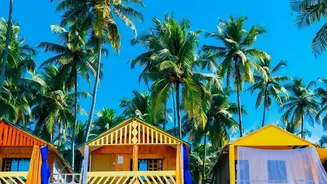
The normalization of remote and hybrid work models has been a massive catalyst. The line between work and leisure has blurred, giving rise to the 'workation' or 'bleisure' trip. An appealing job for Gen Z is one that offers the opportunity to travel. The flexibility to work from a cafe in Goa or a homestay in the hills means travel is no longer confined to annual leave. It's now possible to extend a weekend getaway into a week-long trip without taking extra days off. This allows for a deeper, more relaxed exploration of a place, aligning with the generation's desire to experience destinations like a local rather than a tourist rushing through a checklist of attractions.
The Social Media Influence
There's no denying the role of social media. An endless scroll through Instagram and TikTok reveals a constant stream of friends and influencers exploring hidden gems and scenic cafes. This creates both inspiration and a subtle pressure, a Fear of Missing Out (FOMO), that fuels the desire to travel. For many young travellers, social media directly influences their choice of destination. However, it goes beyond just 'Instagrammable' spots. Travel has become a form of self-expression. The trips they take, the photos they post, and the stories they tell are all part of crafting and communicating their identity in an increasingly digital world.