






First, What Are Blue Bonds?
Think of blue bonds as a specific type of green bond, but with a laser focus on water. A blue bond is a debt instrument issued by governments or companies to raise money exclusively for projects that support a sustainable 'blue economy'. The proceeds
are ring-fenced for initiatives like marine conservation, sustainable fisheries, offshore renewable energy, wastewater management, or projects to combat plastic pollution in our oceans. Just like green bonds, they attract investors who want to generate both a financial return and a positive, measurable environmental impact. The global market for these is still nascent, representing less than 0.5% of the total sustainable debt market, but it's a space with enormous potential.
India's Untapped Blue Economy
For India, the blue economy isn't just an abstract concept; it's a massive economic engine. With a coastline stretching over 7,500 kilometres, our maritime sector is the backbone of trade, handling about 95% of the country's trade by volume. The blue economy already contributes around 4% to India's GDP, with sectors like fisheries and aquaculture providing livelihoods for millions of people. Initiatives like the Sagarmala programme and the Deep Ocean Mission signal a clear intent to harness this potential further. This vast ecosystem, from ports and shipping to tourism and marine biotechnology, requires significant investment to grow sustainably, making dedicated financial instruments like blue bonds critically important.
SEBI's Regulatory Push
Recognising this opportunity, the Securities and Exchange Board of India (SEBI) has been proactive in creating a supportive regulatory environment. After consultations, SEBI has formally categorized blue bonds as a sub-category of green debt securities. This move provides much-needed clarity for issuers and investors, bringing blue bonds under the existing framework for Green Debt Securities. This framework mandates crucial transparency measures, such as appointing independent reviewers to verify a project's 'blue' credentials, disclosing how funds are used, and annual impact reporting. This regulatory foundation is a crucial first step to building a credible and robust market.
What Can Blue Bonds Fund?
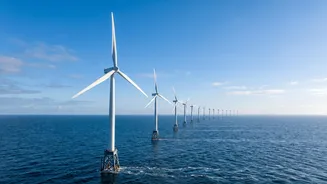
The potential applications in India are immense. Proceeds from blue bonds could be channelled into a wide array of projects. This includes building climate-resilient coastal infrastructure to protect vulnerable communities from rising sea levels and extreme weather. It can finance the modernisation of our fishing industry to make it more sustainable, support mangrove restoration to protect coastlines, and fund advanced wastewater treatment plants to stop pollution from entering our rivers and seas. Furthermore, these bonds can help develop marine renewable energy sources like offshore wind and tidal power, contributing to India's net-zero goals.
Challenges on the Horizon
Despite the promise, the path forward has its challenges. A primary hurdle is clearly defining what qualifies as a 'blue' project to avoid 'blue-washing'—where funds are used for projects with dubious environmental benefits. Developing a steady pipeline of bankable, investment-ready projects requires significant technical expertise, which can be a constraint. Furthermore, ensuring robust monitoring and quantifying the environmental impact of marine projects can be more complex than measuring carbon emission reductions for green bonds. Building investor awareness and ensuring liquidity in the secondary market will also be key to scaling up issuance from the current nascent stage.