







The Big Change: From 60 Days to a 30-Day Welcome
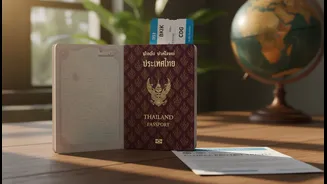
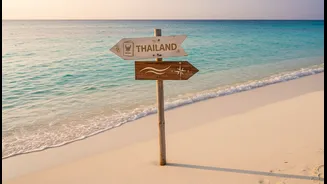
In a significant policy shift announced on July 14, 2026, the Thai cabinet has revised its visa framework for dozens of countries, including India. The temporary 60-day visa-free stay, which had been in place for 93 nationalities, will be officially withdrawn.
In its place, Indian passport holders will be granted a 30-day visa-free entry. This decision came after a period of confusion where it was feared India might revert to a more restrictive visa-on-arrival system. The new 30-day rule is seen as a compromise to balance tourism promotion with national security concerns, following a notable decline in Indian tourist numbers after the initial announcement to end the 60-day scheme. This new rule will take effect 15 days after its official publication in the Royal Gazette, the date of which had not been announced as of mid-July 2026.
What This Means for Indian Travellers
The key takeaway for most Indian tourists is that planning is now more important. While the new 30-day visa-free stay is more convenient than a visa-on-arrival, it halves the previous 60-day window. For the majority of visitors, this is still ample time, as the average stay for Indian tourists is just over seven days. However, for those who enjoyed longer, more leisurely explorations of the country, this change requires a more structured itinerary. The move simplifies the entry process by removing the need for a visa-on-arrival, which was a possibility that had worried many potential visitors. Essentially, entering Thailand remains straightforward and fee-free for a 30-day trip, but the days of spontaneous, two-month-long visa-free holidays are over for now.
Planning Your Perfect 30-Day Itinerary
With a 30-day limit, making every day count is key. This timeframe is perfect for an in-depth tour of one or two regions. For instance, you could spend two weeks exploring the northern areas of Chiang Mai and Pai, followed by two weeks island-hopping in the south around Krabi or Phuket. Alternatively, a month allows for a comprehensive deep-dive into Bangkok's culture, food, and markets, combined with relaxing beach stays in nearby Hua Hin or Pattaya. The new limit encourages travellers to be more intentional with their plans. Booking internal flights and accommodations in advance will be more important than ever to ensure you can see and do everything on your list without feeling rushed by the 30-day deadline.
Need More Time? The Digital Nomad Visa Option
For those who need longer than 30 days—such as remote workers, artists, or long-term travellers—Thailand has another solution: the Destination Thailand Visa (DTV), often called the 'digital nomad visa'. This visa is valid for five years and allows for multiple entries, with each stay lasting up to 180 days, which can be extended once for another 180 days. However, the requirements are significant. Applicants must be at least 20 years old, apply from outside of Thailand, and show proof of funds equivalent to at least 500,000 Thai Baht in their bank account. This visa is specifically for individuals earning income from foreign sources while staying in Thailand and does not permit local employment.
Your Pre-Travel Checklist
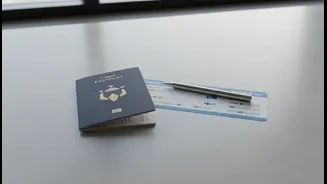
Regardless of the new stay duration, some essentials remain unchanged. Before you travel, ensure your passport has at least six months of validity from your date of arrival. You should also have confirmed return tickets and proof of accommodation for your stay. Travellers must also complete the Thailand Digital Arrival Card (TDAC) online within 72 hours before arrival. While the previous cash requirement of 20,000 Baht was associated with the visa-on-arrival system, it is always wise to be prepared and check the latest official advisories from the Royal Thai Embassy before your departure.