





India's apparel industry is navigating a complex period of volatile cotton prices and shifting government policies. The key question is: how are manufacturers adapting their buying strategies to maintain competitiveness and ensure stability?
The Duty Dilemma
The primary
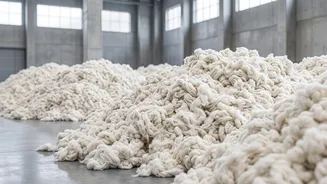
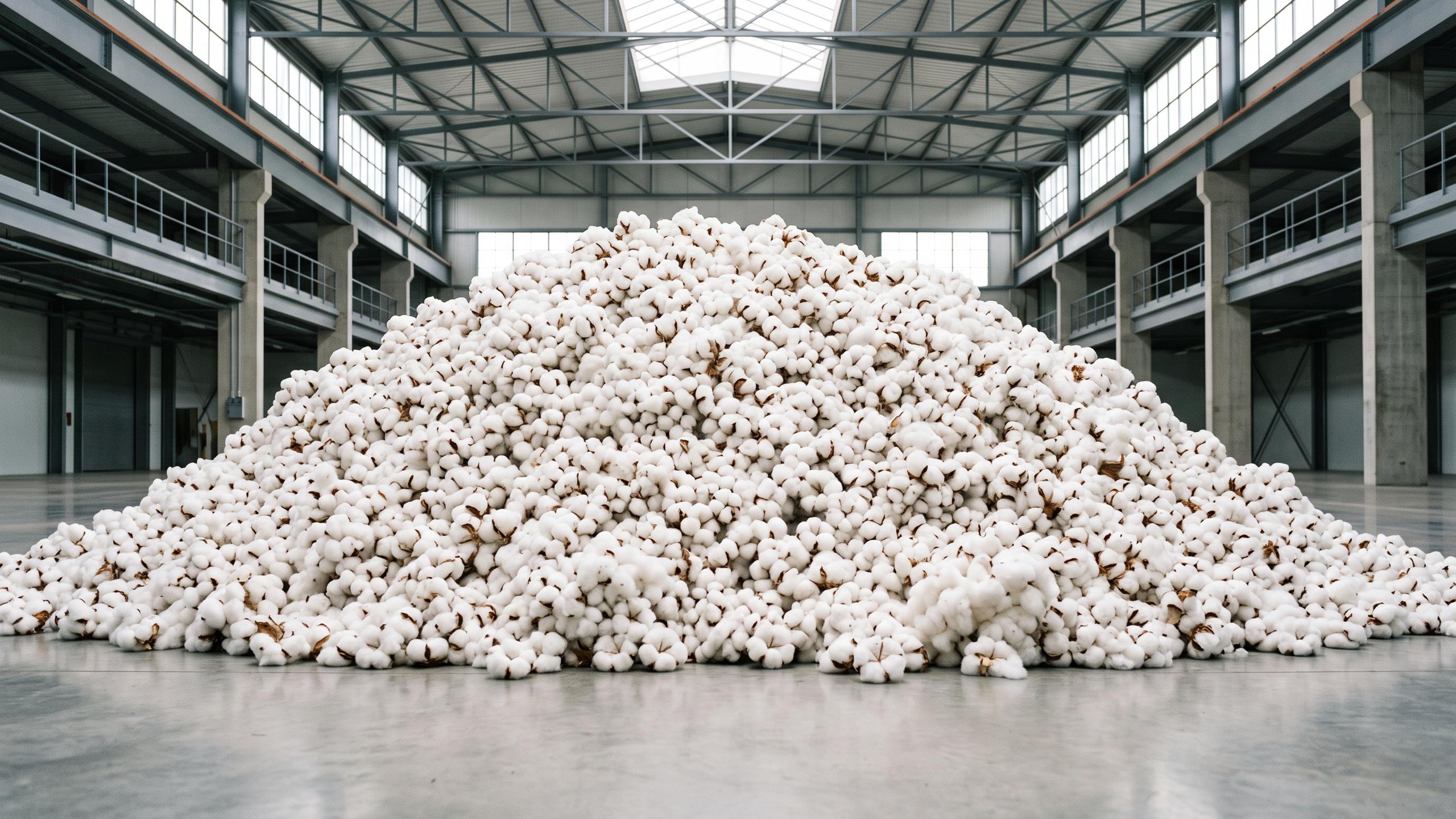
challenge facing Indian apparel makers is the fluctuation in raw cotton costs, heavily influenced by government import duties. Earlier in 2026, the government removed the 11% customs duty on cotton imports for a window between June 1 and October 31 to help stabilize soaring domestic prices and ease supply for textile mills. This provided temporary relief, allowing manufacturers to source premium international cotton without the added tax burden. However, as this deadline approached, the industry faced renewed uncertainty. With domestic cotton production for 2026-27 projected to be significantly lower than demand, industry bodies have been advocating for an extension of the duty-free period. As of late October 2026, the government is widely expected to extend the exemption until the end of December to prevent supply shortages and curb price hikes.
Ripple Effects on the Market
The policy shifts are a direct response to significant market turmoil. Cotton yarn prices surged by as much as 60% in early 2026, severely squeezing the margins of apparel exporters. This volatility is driven by a combination of factors: lower domestic production, with farmers diversifying into other crops, and a tight stock-to-use ratio, which is at a five-year low. While India is one of the world's largest cotton producers, its productivity lags behind other major players. This structural issue, combined with crop forecasts being revised downwards due to erratic weather, means domestic supply can't meet the robust demand from mills, which is itself rising due to positive export prospects. This supply-demand gap keeps domestic prices firm, making duty-free imports a critical relief valve for the industry.
Strategy 1: Strategic and Diversified Sourcing
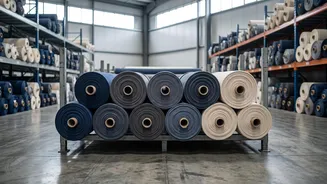
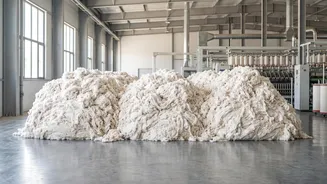
In response, the most immediate strategy for apparel makers and textile mills is to diversify their cotton sourcing. The temporary removal of import duties has made it more attractive for mills to import high-quality, contamination-free cotton from countries like the US, Brazil, and Australia. These imports are not just about filling a quantity gap; they are also about sourcing specific grades of fiber required to meet the demanding standards of international buyers. Beyond just importing, larger, vertically integrated companies are leveraging their scale to make strategic sourcing decisions across their entire value chain—from buying raw cotton to producing finished garments. This integrated approach allows them to better absorb price shocks compared to smaller, standalone players.
Strategy 2: Financial Hedging and Inventory Management
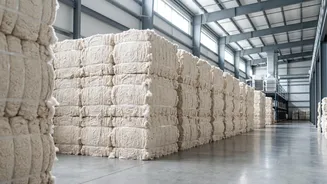
Price volatility has forced manufacturers to become more sophisticated in their financial management. Cotton is a globally traded commodity, and its price is determined by complex futures markets. Companies are increasingly using financial instruments to hedge against future price increases, locking in predictable costs to protect their margins. This isn't about trying to 'beat the market' but rather about creating financial stability in an unstable environment. On the physical side, companies are re_evaluating their inventory strategies. While some may engage in bulk buying when prices are favorable, the broader trend is toward building more agile and resilient supply chains that can better withstand sudden shocks. This includes leveraging technology to gain real_time visibility into costs and consumption from the mill floor back to the procurement team.
Strategy 3 : Innovation and Shifting the Mix
The persistent challenges in the cotton market are also accelerating innovation. Many textile manufacturers are actively increasing their use of cotton blends and man_made fibers like polyester and viscose to reduce their dependence on 100% cotton. This shift is supported by government policy, which recognizes that the next wave of growth for the Indian textile industry will likely come from synthetic and technical textiles. Furthermore, there is a strong push from industry bodies and the government to address the root cause of the problem by improving domestic cotton productivity. The 'Mission for Cotton Productivity,' with a significant budget allocation, aims to enhance yield, quality, and sustainability within India, building a more resilient domestic supply chain for the long term.