






The Stage for a Collapse
Chasing 181 for a 2-0 series lead, India's top order faltered on a tricky Christchurch pitch that was slower than the one used in the first match. New Zealand’s captain and spinner, Mitchell Santner, was in devastating form, ripping through the middle
order to claim figures of 4 for 21. India stumbled from a decent start to 70 for five, with established names and young prospects alike failing to fire. The required run rate was climbing, and with half the side back in the dugout, the task looked monumental. It was a classic pressure-cooker scenario, the kind that forges heroes or breaks resolves.
A Calculated, Cautious Beginning
When Tilak Varma arrived at the crease, the chase was threatening to unravel completely. The headline question—how he found his destructive rhythm—is answered first by understanding that he didn't force it. Initially, he struggled for timing just like his teammates. At one stage, he was on just 10 runs from nine balls. His initial focus wasn't on boundaries, but on survival and rotation of strike. He played just four dot balls in his entire 26-ball innings, a testament to his commitment to keeping the scoreboard moving even when the big shots weren't coming. This period of accumulation was crucial; it allowed him to get a feel for the slow surface and the bowlers' plans without giving his wicket away.
The Partnerships That Built Momentum
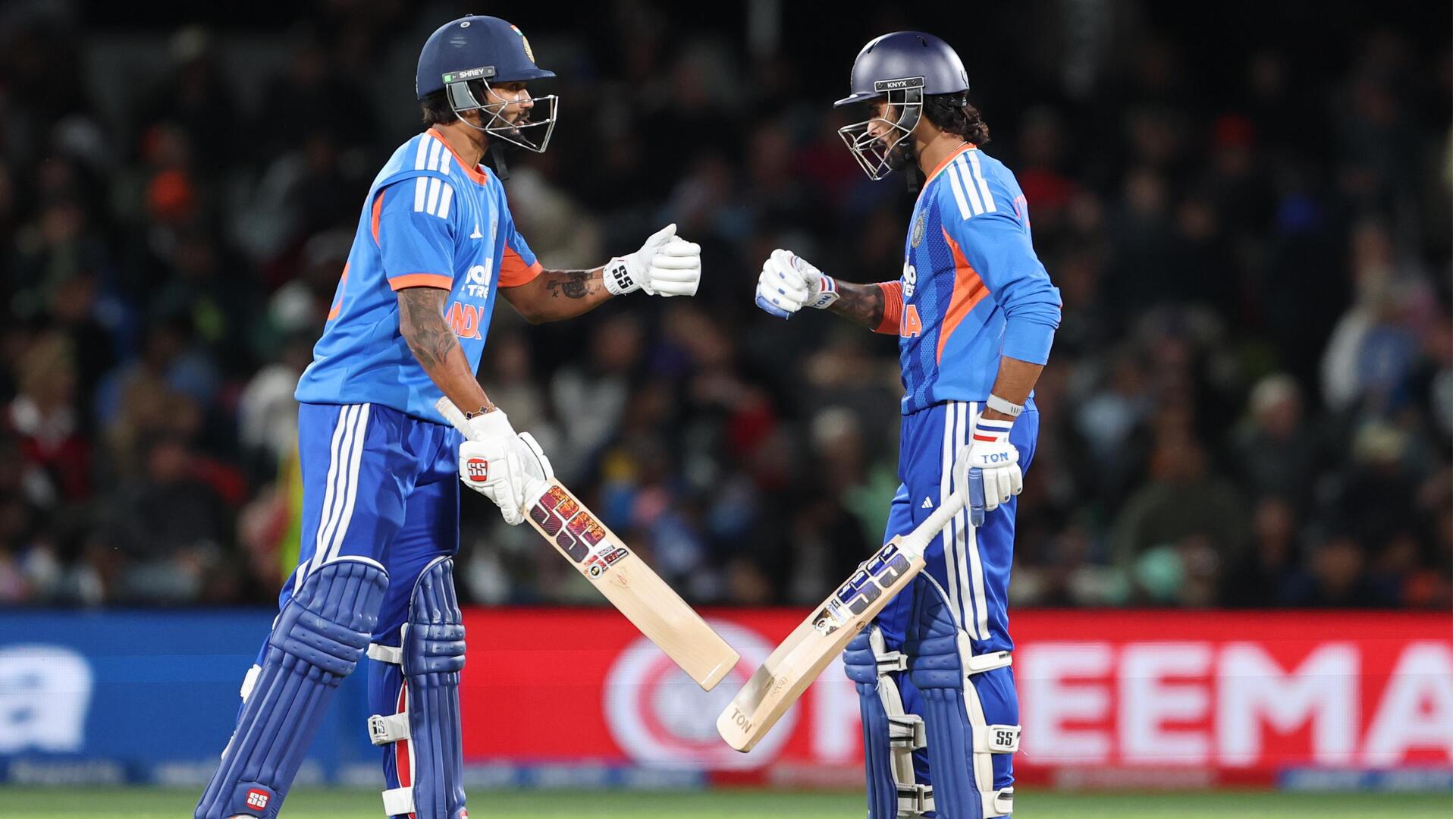
Cricket chases are rarely a solo act. Varma found crucial support, first from Naman Dhir. While Varma anchored one end, Dhir played a vital cameo of 31 from 17 balls, taking calculated risks against the spinners to inject much-needed momentum into the innings. Dhir's aggression allowed Varma the space to settle. After Dhir's dismissal, with India at 112 for 6, Nitish Kumar Reddy came in and provided the perfect finishing support. The two 'Hyderabadi boys' ran hard between the wickets and communicated their plan clearly, turning the pressure back on the Kiwi fielders. Their unbeaten 69-run stand came off just 30 balls, a stunning counter-attack that left New Zealand bewildered.
Unleashing the Finisher
With a solid base built and the game taken deep, Varma switched gears spectacularly. After the 15th over, with 68 runs needed from 30 balls, the assault began. Knowing New Zealand's main spin threat, Mitchell Santner, had bowled out, Varma and Reddy targeted the pacers. Varma went berserk, particularly in the 18th and 19th overs, finding the boundary with incredible consistency against Jacob Duffy and Nathan Smith. This wasn't reckless slogging; it was a display of 'calculated aggression'. Varma scored his final 34 runs off just 13 deliveries, a blistering acceleration that showed his confidence and clarity. This ability to explode in the death overs is becoming his trademark; in 2026, he boasts the highest strike rate among all batsmen in the final five overs of a T20I.
Mind Over Matter: The Coach's Belief
After the match, Varma revealed a key mental factor behind his innings. He spoke of conversations with head coach Gautam Gambhir and batting coach Sitanshu Kotak before the game. 'They told me that the whole of India believes in me and that if I batted till the end, I could win the game for the team', Varma said. This vote of confidence was ringing in his ears when the team was collapsing. His plan, he explained, was simple: stay till the end and take the game as deep as possible. This mental fortitude, combined with his tactical intelligence to bide his time before attacking, was the secret sauce. His rhythm wasn't just 'found'; it was constructed with patience, belief, and a perfectly timed explosion.