






The Power of Eating in Order
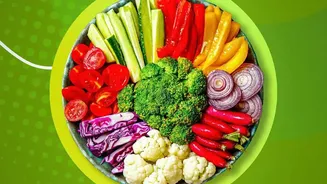
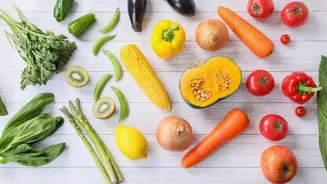
The concept is surprisingly simple and often called 'food sequencing' or, more technically, 'fibre-gating'. It’s the practice of eating the different components of your meal in a specific order: fibre-rich vegetables first, followed by proteins and fats,
and leaving starchy carbohydrates and sugars for last. This isn’t a restrictive diet; you don’t have to give up your favourite rotis, rice, or pastas. Instead, it’s a strategic approach to assembling your plate and a simple habit that works with your body's natural digestive processes to support more stable energy levels. The idea is to use the fibre from vegetables to create a sort of protective barrier in your gut before the carbohydrates arrive, which has a powerful effect on how your body processes the meal.
How Fibre-Gating Tames Blood Sugar
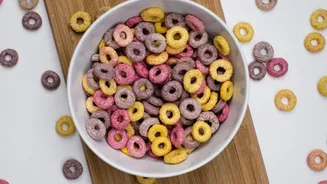
When you eat carbohydrates, your body breaks them down into glucose (sugar), which enters your bloodstream to be used for energy. A rapid influx of carbohydrates, especially refined ones eaten on an empty stomach, can cause a sharp spike in blood sugar. Your body responds by releasing a surge of insulin to manage the glucose. This can sometimes be too effective, causing your blood sugar to crash below its baseline, leading to fatigue, brain fog, and renewed cravings. This is where fibre-gating comes in. When you eat vegetables first, the soluble fibre they contain dissolves in water and forms a gel-like mesh in your stomach and intestines. This physical barrier slows down digestion and the subsequent absorption of glucose from the carbohydrates you eat next. The result is a gentler, more gradual rise in blood sugar, rather than a sharp spike, which prevents the subsequent energy-sapping crash.
More Than Just Stable Energy
The benefits of this simple habit extend beyond just preventing the 3 p.m. slump. By blunting glucose spikes, you’re also putting less stress on your metabolic system. Studies have shown that eating vegetables before carbohydrates consistently leads to lower post-meal glucose and insulin levels, which is beneficial for everyone, but especially for individuals managing conditions like type 2 diabetes or insulin resistance. This method also promotes satiety, helping you feel fuller for longer. Starting your meal with high-volume, low-calorie vegetables can lead you to consume fewer calories overall without feeling deprived. Over time, this can support weight management and contribute to better long-term health by reducing risks associated with high blood sugar, such as inflammation and heart disease.
Putting It Into Practice
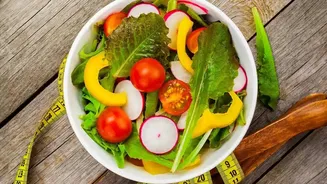
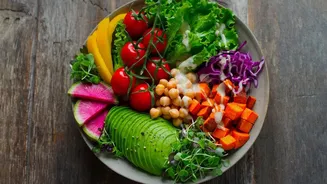
Incorporating fibre-gating into your daily life in India is straightforward and doesn't require a complete dietary overhaul. The goal is to simply start your main meals with a vegetable component. This could be a simple kachumber salad (cucumber, tomato, onion) before your dal and roti. Or, you could have a small bowl of sauteed green beans or a clear vegetable soup before digging into your rice and curry. Even when eating out, you can apply this principle by ordering a salad or a vegetable-based appetiser to start. The key is to consume the fibre-rich food first, creating that digestive buffer. The best part is that the order matters more than the speed of eating; research shows the benefits hold true whether you eat quickly or slowly.