




For Crispy and Crunchy Foods
The greatest enemy of crispiness is moisture. When you store fried items like samosas, bhajis, or even biscuits, the goal is to fight off steam and condensation. After frying, never place food directly on a plate or paper towel. While paper towels absorb
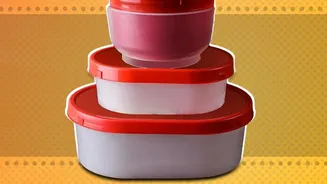
some oil, they trap steam underneath, making the bottom soggy. Instead, place freshly fried items on a wire cooling rack set over a baking sheet. This allows air to circulate all around the food, letting steam escape and preserving that satisfying crunch. Before packing for later, allow the food to cool down completely. Packing hot food creates a mini sauna inside the container, guaranteeing a soggy outcome. For storage, use a container that isn't perfectly airtight; a vented container or one with the lid slightly ajar works best. If you must use a sealed container, lining it with a paper towel can help absorb residual moisture.
Keeping Leafy Greens Firm
From coriander and mint to spinach and lettuce, leafy greens are prone to wilting. The culprit is moisture loss. To keep them fresh and firm, you need to provide a humid, but not wet, environment. First, avoid washing your greens until you are ready to use them, as excess water can promote spoilage. For storage, a popular method is to wrap the unwashed greens in a slightly damp paper towel and then place them inside a plastic bag or airtight container in the refrigerator. The paper towel provides just enough moisture to prevent wilting while absorbing any excess that could cause sliminess. This simple step can extend the life and crispness of your greens by several days.
Breads, Rotis, and Rice
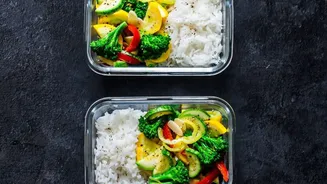
The challenge with storing breads and grains is walking the line between preventing dryness and avoiding sogginess. For a crusty loaf of bread you plan to eat within a day or two, a bread box or a paper bag at room temperature is best, as it allows the bread to breathe and maintains the crust. The refrigerator is actually not ideal for bread, as the cold temperature causes it to go stale faster. For longer storage, freezing is the best option. Leftover rotis and chapatis should be cooled completely, stacked, and wrapped in a cloth or foil before refrigerating. This keeps them soft and prevents them from drying out. For cooked rice, store it in an airtight container in the fridge for up to three days. It will naturally dry out, but a sprinkle of water before reheating can help bring it back to life.
Curries, Dals, and Gravies
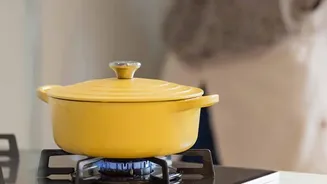
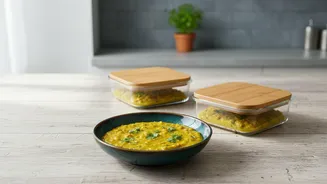
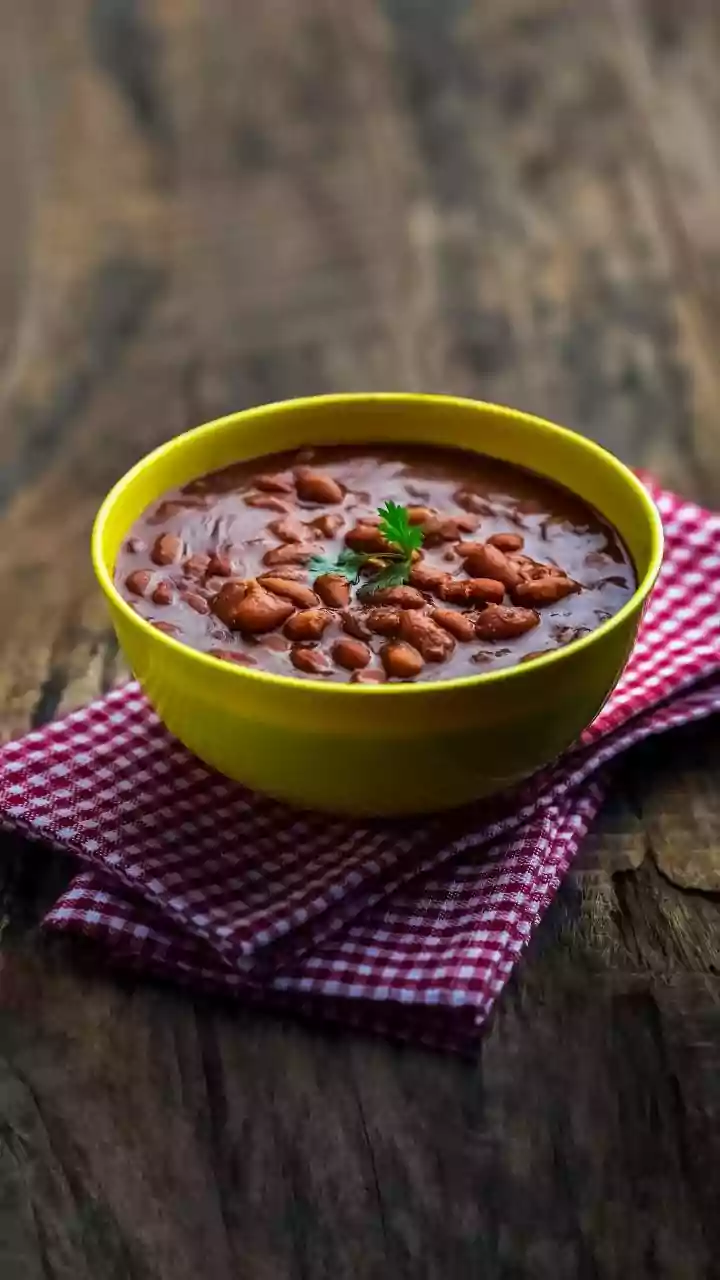
With cooked dals and curries, the primary concern is preventing bacterial growth and maintaining the integrity of the gravy. Always let a hot dish cool down for 30-60 minutes before refrigerating. Putting hot food directly into the fridge can raise the internal temperature of the appliance, risking the safety of other foods. Store these dishes in airtight glass or high-quality plastic containers. Most dals and vegetable curries will last well in the fridge for 3 to 5 days. The texture may thicken upon cooling, but this is normal. When reheating, do so gently over low heat and only reheat the portion you plan to eat, as repeatedly heating and cooling the entire batch can degrade its texture and safety.
Spices and Powders
Humidity is the nemesis of ground spices, salt, and sugar, causing them to form hard, frustrating clumps. The key is to keep them absolutely dry. Store all your powders in airtight containers in a cool, dark cupboard away from the steam of the stove or the sink. Avoid shaking a spice container directly over a steaming pot, as this introduces moisture directly into the jar. Instead, pour the spice onto a spoon away from the steam. If you live in a particularly humid climate, you can add a few grains of uncooked rice to your spice jars. Rice is hygroscopic, meaning it absorbs moisture from the air, keeping your masalas free-flowing and ready to use.