





Why Natural Pest Control Matters
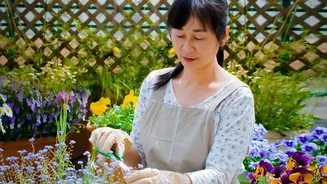
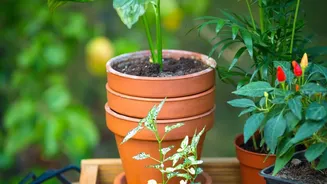
Choosing natural pest control methods is especially important for a balcony garden. This space is an extension of your home, often close to open windows and living areas. Using chemical pesticides can lead to undesirable fumes drifting indoors. Furthermore,
if you are growing herbs, chillies, or tomatoes, natural solutions ensure your harvest remains free from synthetic residues. Organic methods are also kinder to the ecosystem, protecting beneficial insects like bees and ladybugs, which might visit your urban garden. By opting for gentle solutions like neem oil and soapy water, you create a healthier environment for your plants, your family, and the welcome wildlife that helps your garden thrive.
The Power of Neem Oil
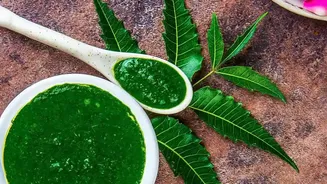
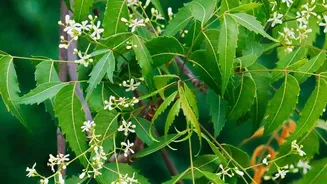
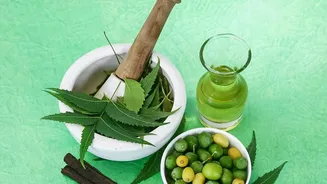
Neem oil is a versatile and powerful tool in any gardener's arsenal. Extracted from the seeds of the neem tree, this natural oil works in multiple ways to combat pests. Its active compound, Azadirachtin, acts as an anti-feedant and growth disruptor. When pests like aphids, mealybugs, spider mites, and whiteflies ingest it, their hormonal systems are affected, stopping them from feeding and maturing. It can also coat and suffocate soft-bodied insects on contact. Unlike some synthetic pesticides, insects don't tend to build resistance to neem oil, making it a reliable long-term solution. It's effective against a broad spectrum of common garden pests, making it an excellent first line of defense.
How to Make and Use Neem Oil Spray
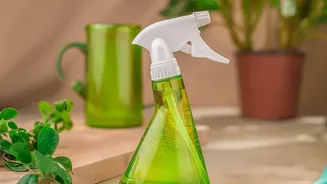
Creating your own neem oil spray is simple and far more potent than many pre-mixed commercial versions, which can lose their effectiveness over time. For a basic and effective solution, you'll need three ingredients: cold-pressed neem oil, a mild liquid soap, and warm water. The soap acts as an emulsifier, allowing the oil and water to mix.Basic Neem Oil Recipe:- 1 litre of warm water- 1 teaspoon (5ml) of 100% cold-pressed neem oil- ½ teaspoon of mild liquid soap (like castile soap)Combine the soap and warm water in a spray bottle and shake gently to mix. Then, add the neem oil and shake vigorously. It's crucial to use the spray immediately, as neem oil degrades quickly in water. Before dousing your entire plant, test the spray on a single leaf and wait 24 hours to ensure there's no damage. Apply the spray in the early morning or evening to avoid leaf burn from direct sun. Be thorough, ensuring you cover the undersides of leaves where pests often hide.
The Simplicity of Soapy Water
An even simpler, yet surprisingly effective, solution is a basic soap spray. This method works best on soft-bodied insects like aphids and mealybugs. The fatty acids in the soap work to wash away the insect's protective outer waxy layer, causing it to dehydrate and die. It is essential to use the right kind of soap. Avoid harsh detergents, degreasers, or any dish soaps that contain bleach, as these can strip the natural protective oils from plant leaves and cause damage. The best choices are pure, gentle soaps like castile soap, which are derived from vegetable oils. Commercially produced insecticidal soaps are also available and are specifically formulated to be tough on pests but gentle on plants.
Your DIY Soap Spray Recipe
Whipping up a batch of insecticidal soap spray takes only a minute. As with neem oil, it is best to make a fresh batch for each use. For a gentle yet effective spray, follow this recipe.Simple Soap Spray Recipe:- 1 litre of water (tap water is fine)- 1 tablespoon (15ml) of gentle liquid castile soapCombine the ingredients in a spray bottle and shake to mix. Just like with the neem oil spray, it's wise to test the solution on a small part of the plant first. Apply thoroughly, focusing on areas where you can see pests, including the stems and the undersides of leaves. The soap spray must make direct contact with the pests to be effective, as it has no residual effect once it dries. For a persistent infestation, you may need to reapply every 7-10 days.