


A Taste of Tradition Reimagined
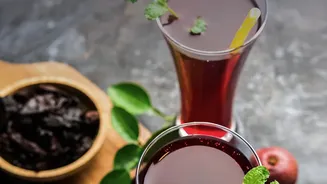
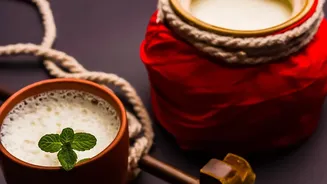
For generations, kokum sherbet and jamun juice have been staples in Indian households, known for their ability to provide respite from the scorching summer heat. Kokum, native to the Western Ghats, is traditionally used to make a deep red, tangy drink
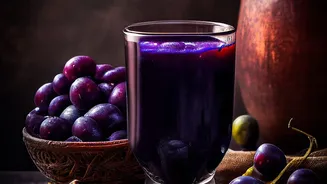
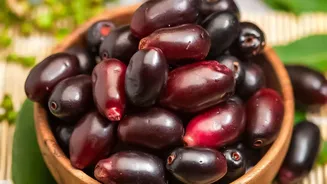
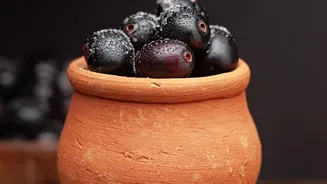
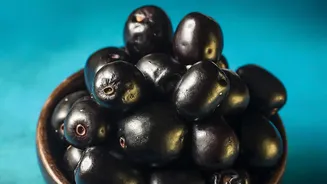
called sherbet or sol kadhi, celebrated for its cooling properties. Jamun, the deep purple Indian blackberry, is often eaten whole or juiced, leaving behind a tell-tale purple stain on the tongue. Today, a new wave of beverage makers is tapping into this nostalgia, but with a contemporary twist. They are moving away from traditional preparations that often relied on heavy sugar syrups and instead crafting drinks that cater to the modern, health-conscious consumer.
The Power of Ancient Superfruits
The appeal of these new coolers goes beyond just taste. Both kokum and jamun are considered superfruits in traditional Indian medicine and are packed with potential health benefits. Kokum is rich in antioxidants and is traditionally used to aid digestion, reduce acidity, and cool the body. It contains hydroxycitric acid (HCA), a compound that has been studied for its potential role in weight management by suppressing appetite. Jamun is equally impressive. It is loaded with vitamins A and C, iron, and powerful antioxidants. In Ayurveda, it's highly valued for its properties that help regulate blood sugar levels, making it a fruit often recommended for those managing diabetes. It also supports heart health by helping to manage blood pressure and cholesterol, and possesses anti-inflammatory properties.
What is Cold Steeping?
The secret to preserving the delicate flavours and nutrients of these fruits lies in the preparation method: cold steeping. Unlike traditional methods that involve boiling or mixing with hot water, cold steeping involves infusing the fruits in cold water for an extended period, typically between 4 to 12 hours. This gentle, slow extraction process pulls the flavour and colour from the ingredients without the harshness of heat. The result is a smoother, less bitter, and naturally sweeter beverage. This method also extracts fewer tannins, the compounds that can cause astringency, leading to a much softer and more refreshing drink. For fruits like kokum and jamun, this means their complex flavour profiles are enhanced, not boiled away or masked by excessive sugar.
The Low-Sugar Revolution
The rise of these coolers is perfectly timed with a major shift in consumer habits. Urban Indians are increasingly turning away from sugary sodas and juices, driven by a greater awareness of health and wellness. The market for low-sugar and zero-sugar beverages has seen significant growth, with sales doubling in recent years as consumers actively seek out healthier alternatives. With rising rates of lifestyle diseases like diabetes, the demand for drinks that offer functional benefits without the empty calories of sugar has surged. These new-age kokum and jamun coolers fit the bill perfectly, offering a guilt-free indulgence that is both delicious and beneficial.
Modernising Indian Flavours
This trend is part of a larger movement to celebrate and modernise traditional Indian ingredients. Entrepreneurs and brands are recognising the immense potential of the country’s botanical wealth. By applying modern techniques like cold steeping and focusing on clean, low-sugar formulations, they are reintroducing classic flavours to a new generation. This approach honours the wisdom of traditional practices while adapting them for a contemporary palate. It’s a celebration of 'Made in India' that looks to the past for inspiration while innovating for the future, proving that what’s old can be new, exciting, and incredibly refreshing.