




The Monsoon's Impact on Your Gut
The high humidity and moisture in the monsoon aren't just outside; they affect our bodies internally, too. This environment can slow down our metabolism and digestive processes. According to Ayurveda, the traditional Indian system of medicine, the monsoon or 'Varsha
Ritu' is a time when the digestive fire, or 'agni', is at its weakest. This is also when 'Vata dosha' (the energy of air and space) is aggravated, leading to issues like bloating, gas, and irregular digestion. Modern science notes that high humidity can indeed lead to digestive complaints, as the body works harder to regulate itself, sometimes resulting in a sluggish gut. This makes it harder for the body to break down and absorb nutrients from food, especially heavy and raw meals.
The Contamination Risk of Raw Foods
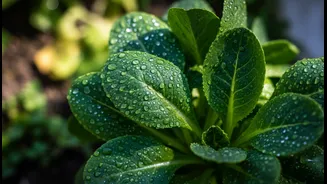
Beyond a sluggish gut, there's a more direct risk: contamination. The moist, damp conditions of the monsoon are a perfect breeding ground for bacteria, fungi, and other microbes. Raw vegetables, especially leafy greens, can harbour dirt and germs that are difficult to wash away completely. The risk of water-borne diseases and food poisoning from pathogens like E. coli and Salmonella increases during this season. Food safety authorities often advise against consuming raw salads, unpasteurised dairy, and pre-cut fruits from outside vendors during the monsoon for this very reason. Cooking food at high temperatures is a reliable way to kill these harmful microorganisms, making meals safer to consume.
Cooking Unlocks Nutrients
The idea that raw vegetables are always more nutritious is a common misconception. While it's true that some heat-sensitive vitamins, like vitamin C, can diminish with cooking, the process makes other vital nutrients more available to our bodies. This is called increasing 'bioavailability'. Heat breaks down the tough cell walls of plants, releasing nutrients that would otherwise be difficult for our bodies to access and absorb. For example, cooking tomatoes significantly increases the bioavailability of lycopene, a powerful antioxidant. Similarly, the beta-carotene in carrots—which our body converts to vitamin A—is much better absorbed from cooked carrots than raw ones. Cooking can also increase the body's access to minerals like calcium, iron, and magnesium from vegetables like spinach.
Sautéing: The Healthy Middle Ground
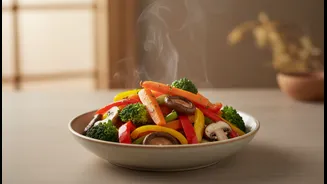
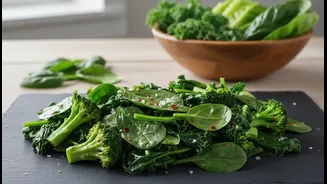
Among cooking methods, sautéing and stir-frying strike an excellent balance. These methods use a short cooking time and less water compared to boiling, which helps prevent the loss of water-soluble B vitamins and Vitamin C. Cooking with a healthy fat, like ghee or a stable oil, during sautéing further enhances the absorption of fat-soluble vitamins (A, D, E, and K) and compounds like carotenoids. This makes sautéing a particularly effective way to prepare a warm bowl that is not only easy to digest but also packed with readily available nutrients, perfectly aligning with the body’s needs during the monsoon.
Building Your Ideal Monsoon Bowl
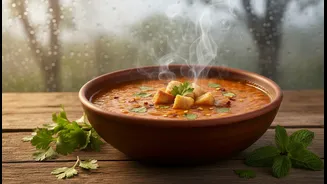
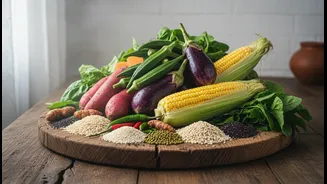
Creating a nourishing sautéed bowl is simple. Start with a base of easy-to-digest grains like aged rice or barley. For your vegetables, opt for seasonal and easy-to-digest choices recommended in Ayurveda, such as bottle gourd (lauki), ridge gourd (turai), and pumpkin. Carrots, beans, and bell peppers are also great choices. Sauté them with warming, digestive spices like ginger, garlic, turmeric, cumin, and black pepper, which also have antimicrobial properties. A spoonful of ghee not only adds flavour but aids in nutrient absorption. This combination creates a meal that is light, warm, easy on the gut, and immunologically supportive—exactly what the body needs to thrive during the rainy season.