

Why Millets, Why Now?
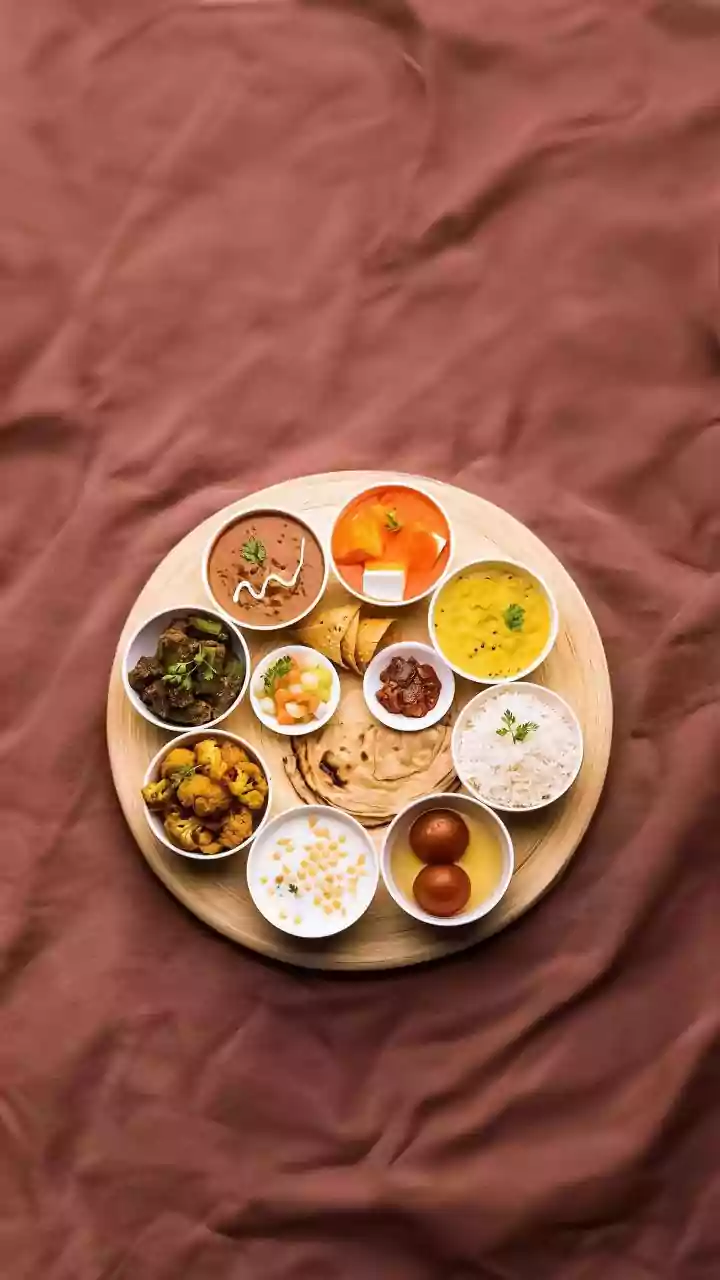
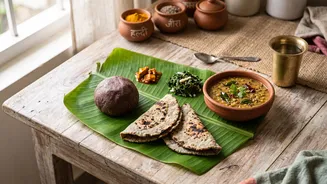
For generations, grains like jowar (sorghum), ragi (finger millet), and bajra (pearl millet) were staples in Indian kitchens. After falling out of favour for decades, they are making a powerful comeback. This resurgence is driven by a collective shift
towards mindful eating, where consumers are actively seeking nutritious alternatives to refined flours. The push gained significant momentum after the United Nations, led by India, declared 2023 the International Year of Millets, thrusting these 'superfoods' into the global spotlight. Now, this movement is finding a natural home in festive food, allowing families to honour tradition without compromising on health.
The Perfect Blend of Health and Heritage
Millets are nutritional powerhouses, packed with fibre, protein, and essential minerals like magnesium and iron. Being naturally gluten-free, they are an excellent option for those with gluten sensitivities. Their high fibre content aids digestion and promotes a feeling of fullness, helping to curb overindulgence during festive feasts. Furthermore, millets have a low glycemic index, which helps in managing blood sugar levels by providing a slow and sustained release of energy. This makes them a smart choice for keeping energy levels stable through long days of celebrations, blending modern nutritional wisdom with ancient food heritage.
Savoury Snacks Reimagined
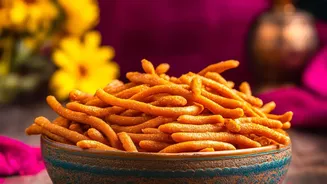
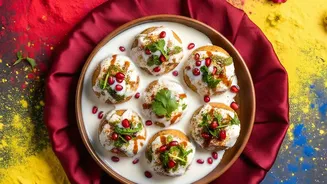
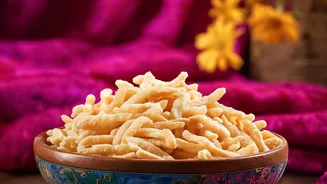
Traditional fried snacks are getting a wholesome makeover. Crispy, spiral-shaped chakli, a festive must-have, is now being prepared with ragi or jowar flour, often baked instead of deep-fried to cut down on oil. Similarly, beloved snacks like mathri and ribbon pakoda are being reinvented using kodo millet and other varieties. Even the humble sev and chivda are now available in bajra, ragi, and jowar versions, offering the same crunchy satisfaction but with the added benefits of whole grains. These innovations allow you to fill your snack platters with familiar favourites that are lighter and more nutritious.
Sweet Treats Without the Guilt
The millet revolution extends to sweets as well. Ladoos made from ragi flour, roasted in ghee and sweetened with jaggery instead of refined sugar, offer an earthy flavour and a wealth of calcium. You can also find millet-based burfi, which uses a mix of millet flours to create a fudgy, guilt-free treat. For those who prefer baked goods, cookies made from jowar and ragi are becoming increasingly popular, combining the goodness of millets with ingredients like almonds, walnuts, and dark chocolate. These sweets prove that festive indulgence can be both delicious and nourishing.
Where to Find Your Millet Fix
The growing popularity of millet snacks means they are more accessible than ever. Speciality online stores and health-focused brands offer a wide range of ready-to-eat options, from millet chivda and sev to baked chakli and cookies. Many local sweet and namkeen shops have also started stocking millet-based products in response to rising consumer demand, especially during the festive season. For those who enjoy cooking at home, millet flours like ragi, jowar, bajra, and foxtail are widely available, making it easy to try out healthy recipes for classic Diwali snacks in your own kitchen.