

What is Microgravity?
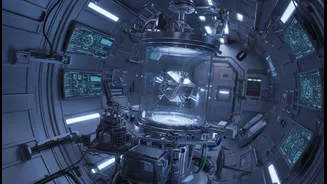
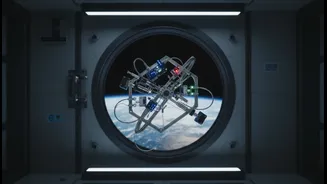
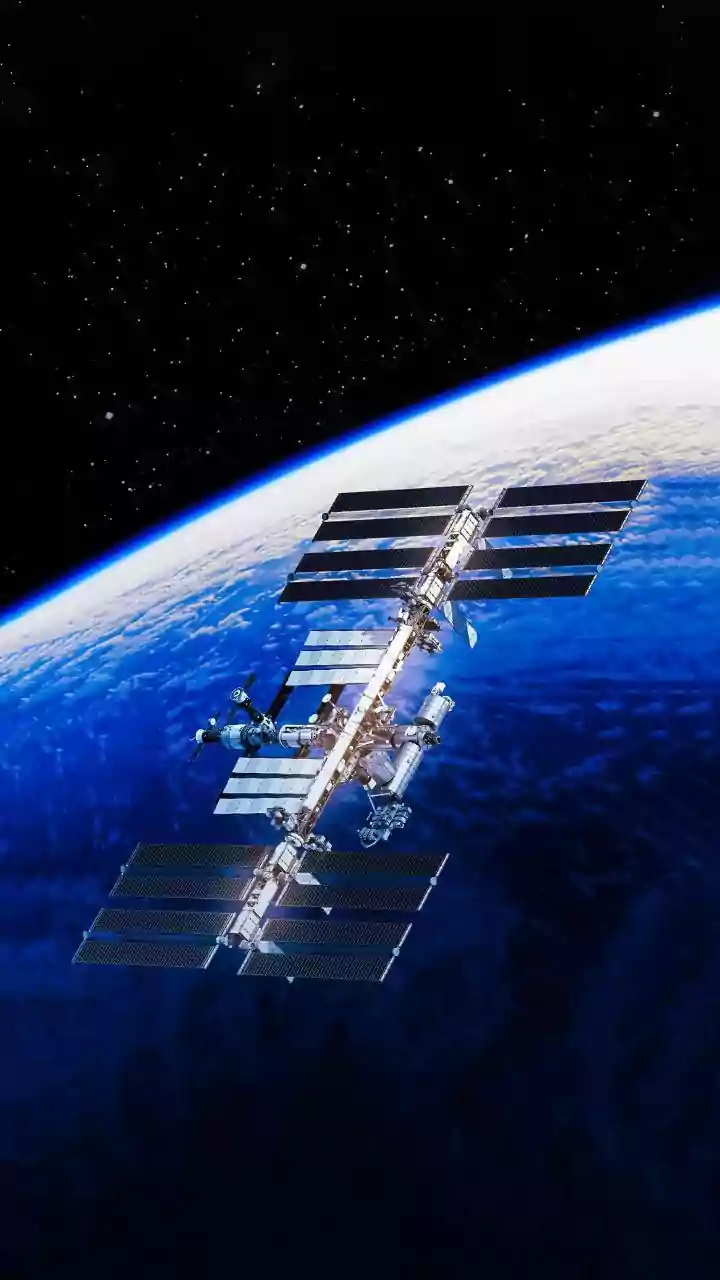
Microgravity is a state of near-weightlessness experienced by objects in freefall. It's often called 'zero gravity', but that's not entirely accurate. Gravity still exists in space; for instance, at the International Space Station's (ISS) altitude of 400
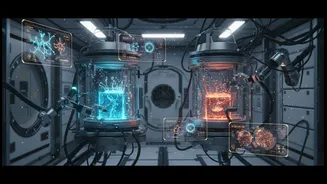
km, Earth's gravity is about 90% as strong as on the surface. However, because the station and everything in it are constantly falling around the Earth in orbit, they experience a sensation of weightlessness. This unique condition, where the overwhelming influence of gravity is removed, opens up a new frontier for scientific experiments. Phenomena that are masked or distorted by gravity on Earth, like convection in fluids or sedimentation in mixtures, behave very differently, allowing scientists to study the fundamental nature of materials and biological processes.
ISRO's Laboratories in the Sky
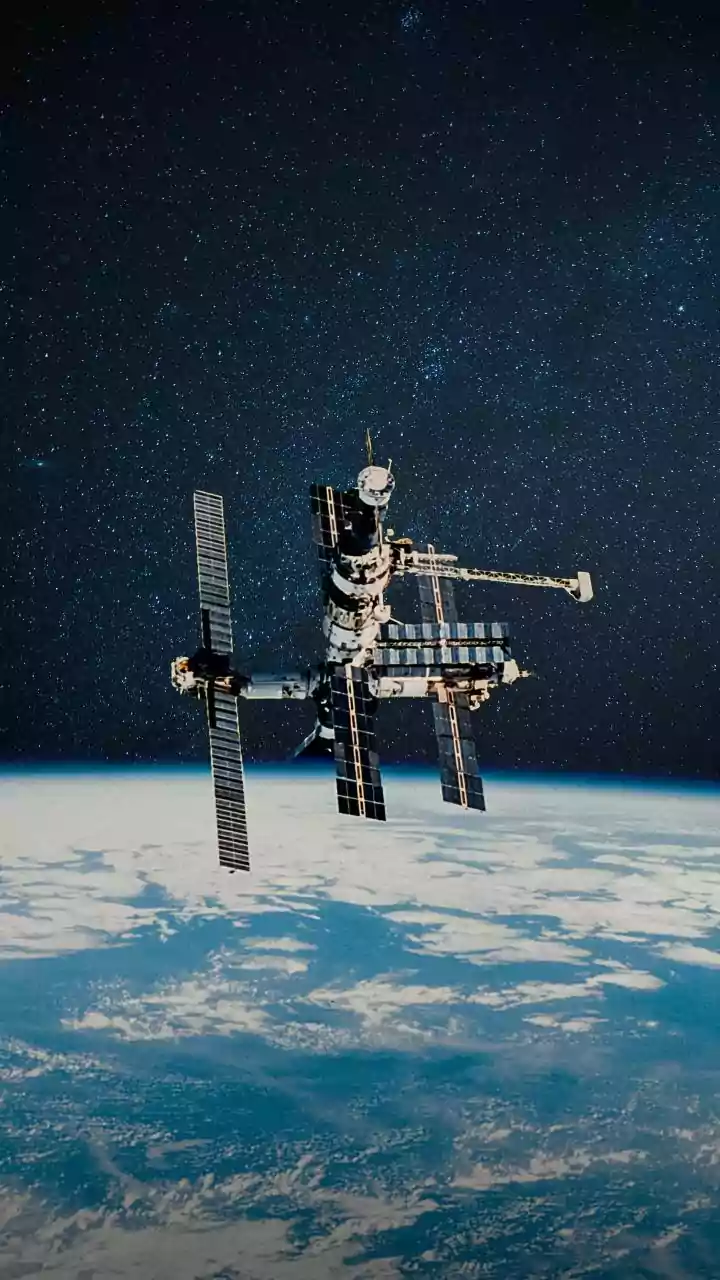
To conduct this cutting-edge research, ISRO has developed and utilised several platforms. Historically, ISRO used sounding rockets, which provide a few precious minutes of microgravity as they coast in the upper atmosphere before falling back to Earth. A significant step was the Space Capsule Recovery Experiment (SRE-1) in 2007, which carried microgravity payloads and was successfully recovered. Looking forward, the upcoming Gaganyaan human spaceflight mission is a game-changer. It will serve as a platform for Indian astronauts to conduct experiments in low Earth orbit. More recently, through international collaboration, ISRO has conducted a suite of experiments aboard the ISS. This includes the Axiom-4 (Ax-4) mission, where an Indian astronaut performed several key studies, gaining invaluable hands-on experience.
From Biology to Materials Science
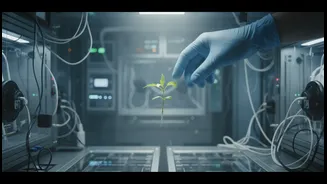
ISRO's microgravity research spans a wide range of disciplines. In biology, scientists are studying how human muscle cells regenerate to combat the muscle atrophy astronauts face on long missions. They are also investigating the resilience of extremophile organisms like Tardigrades (or 'water bears') to the harsh space environment, which could have therapeutic applications on Earth. Another key area is space agriculture; ISRO has successfully germinated seeds like cowpea and fenugreek in space, a crucial step towards developing sustainable food sources for long-duration missions. In materials science, the absence of gravity-driven convection and sedimentation allows for the creation of purer crystals and novel alloys that are impossible to make on Earth. These could lead to breakthroughs in semiconductors and optical fibres.
Building an Ecosystem for Space Science
ISRO isn't just sending experiments into space; it's building a national ecosystem to support this research. Through initiatives like the Indian Microgravity Experiments (IMEx-2026), ISRO is inviting proposals from the Indian research community to design and develop new experiments. The organisation provides mentorship, technical guidance, and eventually, flight opportunities for the most promising ideas. Recently, ISRO's Human Space Flight Centre (HSFC) organised the first National Workshop on Microgravity Research, bringing together scientists, academics, and industry to foster collaboration. This strategy aims to create a self-sustaining research environment that will support future ambitious projects, including the planned Bharatiya Antariksh Station (Indian Space Station).
The Gaganyaan Opportunity and Beyond
The experience gained from recent experiments on the ISS is seen as a vital precursor to the Gaganyaan mission. The seven experiments conducted during the Axiom-4 mission—spanning studies on microalgae, muscle regeneration, and human-machine interaction—have provided crucial data and operational experience. These studies help scientists understand how to design and execute experiments when astronauts are involved and refine technologies for life support and crew well-being. Ultimately, this research is not just for the benefit of astronauts. The insights gained from studying cell behaviour, protein crystallisation for drug development, and creating new materials in microgravity have immense potential to drive innovation and lead to tangible benefits back on Earth.