





First, A Reality Check
Before you invest in pots and seeds, it’s crucial to manage expectations. A balcony micro-garden is a source of joy, fresh flavours, and a connection to nature; it is not a substitute for your local vegetable vendor. The headline’s warning against “overstating”
is key. Your harvest will likely be small and supplemental: a handful of chillies for tempering, fresh coriander for garnish, or a small bunch of spinach for one meal. The goal is a rewarding hobby that yields occasional fresh produce, not agricultural self-sufficiency. Success lies in choosing the right plants and techniques, celebrating small wins, and understanding the unique challenges of the rainy season, from waterlogging to pests.
Choosing Your Monsoon Warriors
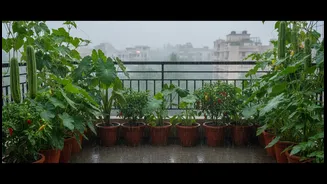
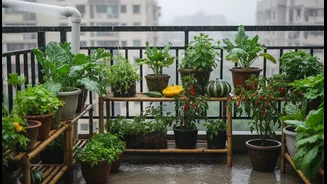
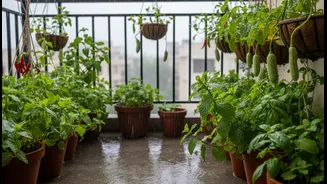
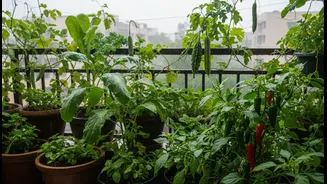
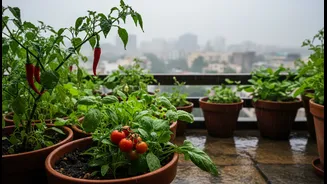
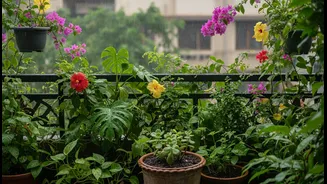
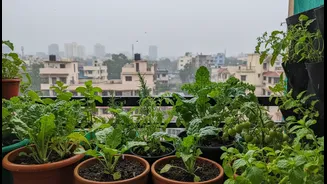
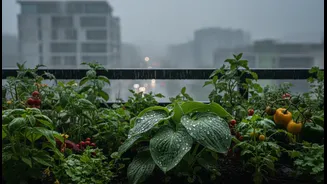
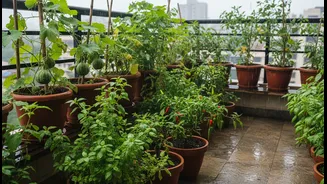
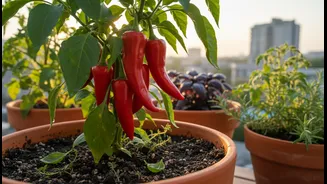
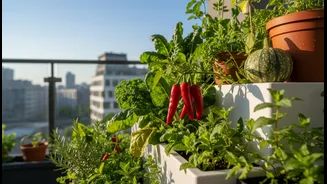
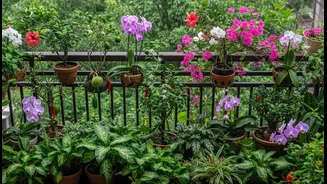
Not all plants enjoy the constant dampness of the monsoon. The key is selecting varieties that thrive in high humidity and can handle heavy rain. For greens, fast-growing options like spinach (palak), amaranth (chaulai), and fenugreek (methi) are excellent choices. They are often ready for a partial harvest in under a month. For herbs, mint and basil love the moisture, and a single pot of green chillies can produce consistently for months if cared for well. Gourds are more ambitious. Forget large bottle gourds unless you have a very large, deep container (at least 20-25 inches wide) and a strong trellis. Instead, consider smaller varieties like ivy gourd (tendli) or ridge gourd, which are more manageable in pots. Flowering plants like balsam, hibiscus, and rain lilies can also add colour and thrive in the rains.
The Golden Rule: Drainage, Drainage, Drainage
The single biggest mistake in monsoon gardening is letting plants sit in water. This leads to root rot, the fastest way to kill a container plant. Start with the right pot—terracotta or modern grow bags are better than plastic as they are more breathable. Every single container must have multiple, unobstructed drainage holes. It's a myth that adding a layer of pebbles at the bottom helps; it can actually worsen waterlogging. Instead, use a well-draining potting mix, combining soil with cocopeat and compost. Elevating your pots on bricks or small stands is a simple but highly effective trick to improve airflow and allow excess water to escape freely.
Watering and Weather Protection
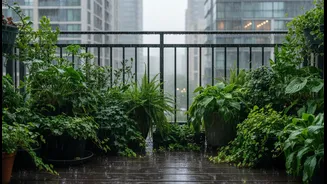
It may be raining, but that doesn't mean you can stop monitoring your plants. Balconies with overhangs can prevent rain from reaching pots, leaving them surprisingly dry. On the other hand, pots exposed to heavy downpours can become saturated. The rule is simple: stick your finger two inches into the soil. If it feels damp, do not water. High humidity also creates a perfect breeding ground for fungal diseases. Ensure there is enough space between plants for air to circulate and consider a preventative spray of neem oil solution. For particularly heavy spells of rain or strong winds, you may need to move sensitive plants to a more sheltered spot or provide support with small stakes.
A Modest and Meaningful Harvest
So what can you realistically expect to eat? From a few pots of methi or palak, you can harvest the outer leaves for a continuous supply over several weeks, enough for flavouring parathas or a small side dish. A healthy chilli plant might give you a few peppers each week. A pot of coriander will provide fresh garnish for daily cooking. Your small gourd vine, if successful, might produce a few gourds over the season, not a daily bounty. The true 'yield' is not just in the produce but in the process: the satisfaction of snipping fresh herbs for your tea, the taste of a chilli grown by your own hand, and the simple pleasure of watching life grow on your balcony amidst the rain.