
The High Cost of Unreliable Power
For rose growers in rural India, success is measured in stems, fragrance, and freshness. But behind every successful harvest is a constant battle with unpredictable electricity. Frequent power cuts and voltage fluctuations are not just a minor inconvenience;
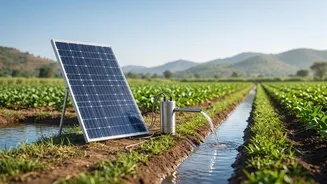
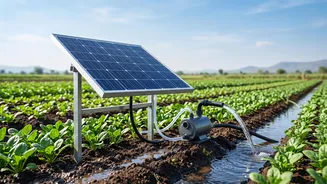
they are a direct threat to livelihood. Critical operations like drip irrigation systems, which provide precise amounts of water for optimal growth, grind to a halt. This can stress the plants, leading to smaller blooms, lower quality, and reduced yields. Farmers who rely on diesel generators as a backup face another set of problems: soaring fuel costs, constant maintenance, and harmful emissions that undermine the sustainable image many are trying to cultivate. In a business with already tight margins, the instability of the grid introduces a level of risk that many can no longer afford to take.
Preserving Value with Solar-Powered Cold Storage
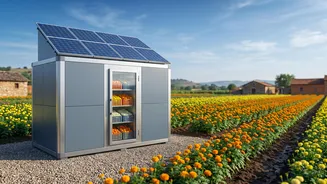
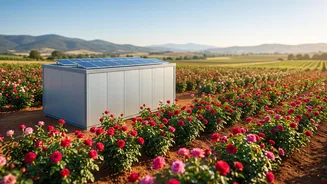
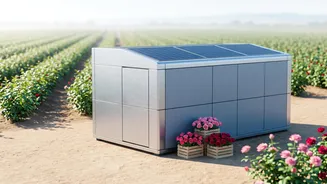
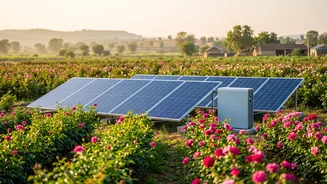
Perhaps the most significant advantage of off-grid solar lies in powering cold storage. Roses are highly perishable; their value plummets with each passing hour after being cut. Without reliable refrigeration, farmers are forced into distress sales, often accepting whatever low price traders offer at the local market. An off-grid solar system, complete with battery storage, changes this dynamic completely. It allows farmers to run on-site cold rooms 24/7, independent of the grid. This capability empowers them to store their harvest safely, preserving the freshness and quality of the flowers. By doing so, they can consolidate larger quantities, bypass local intermediaries, and wait for more favourable market conditions or fulfil larger orders for export markets that demand high-quality, pre-cooled flowers.
The Financials of Energy Independence
While the initial investment in a solar and battery storage system can seem substantial, for many rose producers, it is a calculated business decision with a clear return. The long-term savings from eliminating diesel expenses and reducing losses from grid-related spoilage are significant. Furthermore, government initiatives like the PM-KUSUM scheme are designed to make this transition more affordable. The scheme offers significant subsidies, with central and state governments often covering up to 60% of the project cost, and bank loans available for much of the remainder. This financial support drastically lowers the upfront barrier, making solar a viable option not just for large corporations but also for smaller farmers and farmer producer organisations (FPOs). When viewed over the 20-25 year lifespan of a solar installation, the investment often pays for itself within several years, delivering predictable, low-cost energy for decades.
A Competitive Edge in a Global Market
Beyond the immediate operational benefits, investing in solar infrastructure gives Indian rose growers a competitive edge. The global floriculture market is increasingly focused on sustainability. Buyers in Europe and North America, in particular, are showing a preference for products with a lower carbon footprint. By adopting clean energy, Indian farmers can market their roses as sustainably grown, opening doors to premium markets and more discerning customers. This move also enhances their brand, positioning them as modern, forward-thinking agricultural businesses. It signals a commitment to quality and reliability—two traits essential for building long-term relationships with international buyers. In an industry where differentiation is key, a solar-powered farm is not just more efficient; it's a powerful marketing tool.