





The New Weekend Ritual
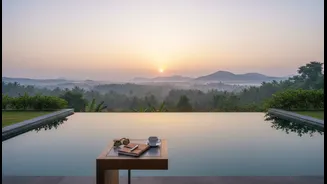
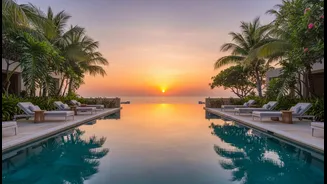
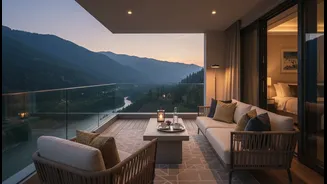
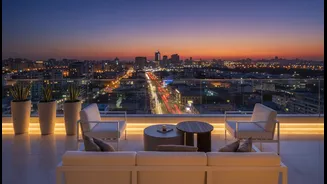
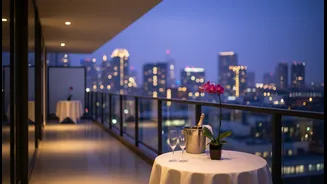
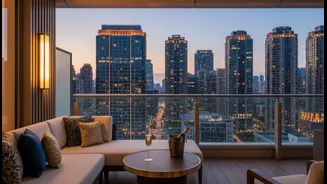
For a growing number of urban professionals, the idea of a weekend getaway has been completely redefined. It's less about packing bags for a far-flung destination and more about checking into an oasis within or just outside city limits. This isn't just about convenience;
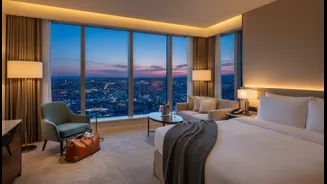
it's a deliberate choice for a concentrated dose of luxury. A staycation is no longer seen as a compromise but as a 'micro-holiday'—a short, intentional trip designed for maximum relaxation and rejuvenation without the logistical stress of travel. This shift reflects a broader 'mini-vacation mindset,' where frequent, shorter breaks are prioritized over a single, long annual holiday. Travellers are choosing to spend more on quality experiences within a shorter time frame, opting for four and five-star properties that offer an all-encompassing experience.
What's Driving the Shift?
Several factors are fuelling this evolution in travel habits. The demanding nature of modern professional life leaves little room for extended breaks, making shorter, more frequent escapes a practical way to recharge. The rise of flexible and remote work arrangements has also played a significant role, allowing people to blend leisure with light work. Furthermore, there is a clear move away from 'tick-box' tourism, where the goal was to visit as many places as possible. Today's traveller is more interested in immersive stays. Instead of a rushed itinerary, they seek meaningful moments, whether it's a transformative wellness treatment, a unique culinary journey, or simply the luxury of uninterrupted rest. This desire for high-quality, experience-led relaxation has made the curated environment of a luxury hotel an attraction in itself.
An Experience, Not Just a Room
To cater to this discerning audience, luxury hotels are transforming their offerings. A staycation package today is far more than just a room and breakfast. Hotels are curating comprehensive experiences that might include butler services, chauffeur-driven transfers, spa credits, and exclusive access to club lounges. The focus is on creating a self-contained world of indulgence. Offerings often feature unique activities like private cooking classes with renowned chefs, guided heritage walks, mixology sessions, or even stargazing. Wellness is a huge component, with many properties offering extensive spa treatments, yoga sessions, and amenities like herbal teas to promote 'sleep tourism'. The goal is to make a short 48-hour stay feel complete and deeply restorative.
Beyond the Metro Hubs
While this trend is prominent in major metros like Delhi, Mumbai, and Bengaluru, its influence is rapidly expanding to Tier-2 and Tier-3 cities. Historically, luxury hospitality was concentrated in the big cities, but now destinations like Jaipur, Coimbatore, Udaipur, and Chandigarh are becoming hotspots. Improved infrastructure, including new airports and better road networks, has increased accessibility to these locations. This decentralization is driven by a desire for unique stays in less-explored areas and a growing affluent population in these cities. As a result, major hotel brands are aggressively expanding their footprint, bringing boutique resorts and branded luxury experiences to a wider audience and proving that a premium getaway is no longer exclusive to metropolitan residents.