








Make Your Schedule an Ally, Not an Enemy
For many busy professionals in India, the workday dictates everything: meal times, social plans, and sleep patterns. Fitness often becomes an afterthought, something to be squeezed in “when there’s time” — a time that rarely arrives. The solution is to stop
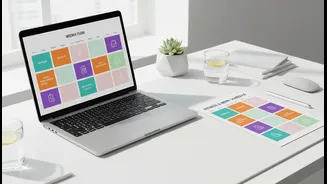
viewing your work schedule as a barrier. Instead, treat it as a pre-built template for your week. By anchoring your workouts to your professional commitments, you eliminate daily decision-making, reduce mental fatigue, and create powerful cues that transform exercise from a chore into a non-negotiable habit. Treating your workout like an important meeting—blocking it out on your calendar—reinforces its importance and drastically increases your chances of sticking with it.
The 9-to-5 Office Strategist
The traditional office job, with its predictable structure, offers clear windows for fitness. If you’re a morning person, an early workout can boost energy and concentration for the rest of the day. Getting it done before the commute means no late-day meeting can derail your plans. Alternatively, a brisk walk or quick workout during your lunch break can combat the midday slump and improve focus for the afternoon. For those who find the gym too crowded or feel drained after work, an evening session has its own perks. Research suggests evening exercise can improve cardiovascular benefits, and your body is often better warmed up, which may reduce injury risk.
Fitness for the Shift Worker
Working irregular or night shifts throws your body’s natural clock, or circadian rhythm, into disarray, which can impact health and metabolism. However, a structured approach can make a world of difference. For night shift workers, a moderate workout before your shift can boost alertness and energy. A lighter activity, like stretching or yoga, after your shift can help you unwind and prepare for sleep. The key is consistency. Try to sleep at the same time after every shift and schedule light meals to maintain stable energy. The most important rule is to listen to your body; schedule more intense workouts on your days off when you are better rested.
The Remote and Hybrid Advantage
Working from home offers unparalleled flexibility. The time saved on commuting can be directly channelled into fitness. This model is perfect for “exercise snacking”—breaking your workout into several short bursts throughout the day. These micro-workouts, which can be as short as 5-10 minutes, are highly effective. You could do a set of squats between emails, use a video call as a cue to do some push-ups, or take a brisk walk around your neighbourhood during a break. These small, frequent movements improve circulation, prevent the stiffness of sitting, and can be just as beneficial as one long gym session.
Listen to Your Body Clock
Beyond just your work schedule, it helps to understand your personal chronotype—whether you are naturally a morning person or a night owl. Emerging research suggests that aligning exercise with your body's innate preference can enhance its benefits, leading to greater improvements in factors like blood pressure and sleep quality. While a morning person might thrive with an early run, a night owl could experience better performance and strength gains in the evening. The best way to figure this out is to experiment. Try working out at different times and notice when you feel most energised and consistent. Ultimately, any exercise is better than none.