

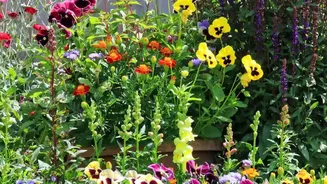

As cooler weather arrives, your balcony doesn't have to look bare. The Indian winter, from November to February, is a prime season for gardening. A host of cheerful flowers thrive in the mild sun, ready to transform your space.
Petunia
The undisputed queen of
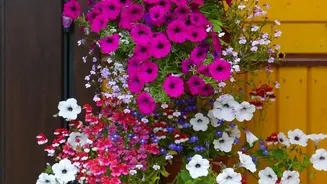
winter balconies, the Petunia offers a cascade of trumpet-shaped flowers in shades of purple, pink, red, and white. They are perfect for hanging baskets and railing planters, where their colours can spill over the edges. Petunias love sunshine, so a spot that receives at least five to six hours of direct sun is ideal for abundant blooms. Use a light, well-draining soil mix, and water when the top layer feels dry, avoiding waterlogged conditions. To keep the flowers coming all season, feed with a balanced liquid fertiliser every two weeks and regularly pinch off any spent or faded blossoms.
Marigold (Genda)
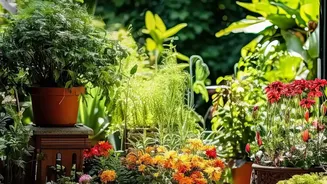
No Indian winter garden feels complete without the warm, festive glow of Marigolds. Their cheerful pom-poms of orange, yellow, and gold are incredibly easy to grow in pots. Marigolds are sun-lovers and thrive when they get at least five to six hours of direct light daily. They are not fussy about soil but do best in a well-draining mix. Water moderately, allowing the soil to dry out a bit between waterings. A key tip for more flowers is 'deadheading'—regularly removing wilted blooms encourages the plant to produce new buds and extends the flowering season significantly.
Pansy
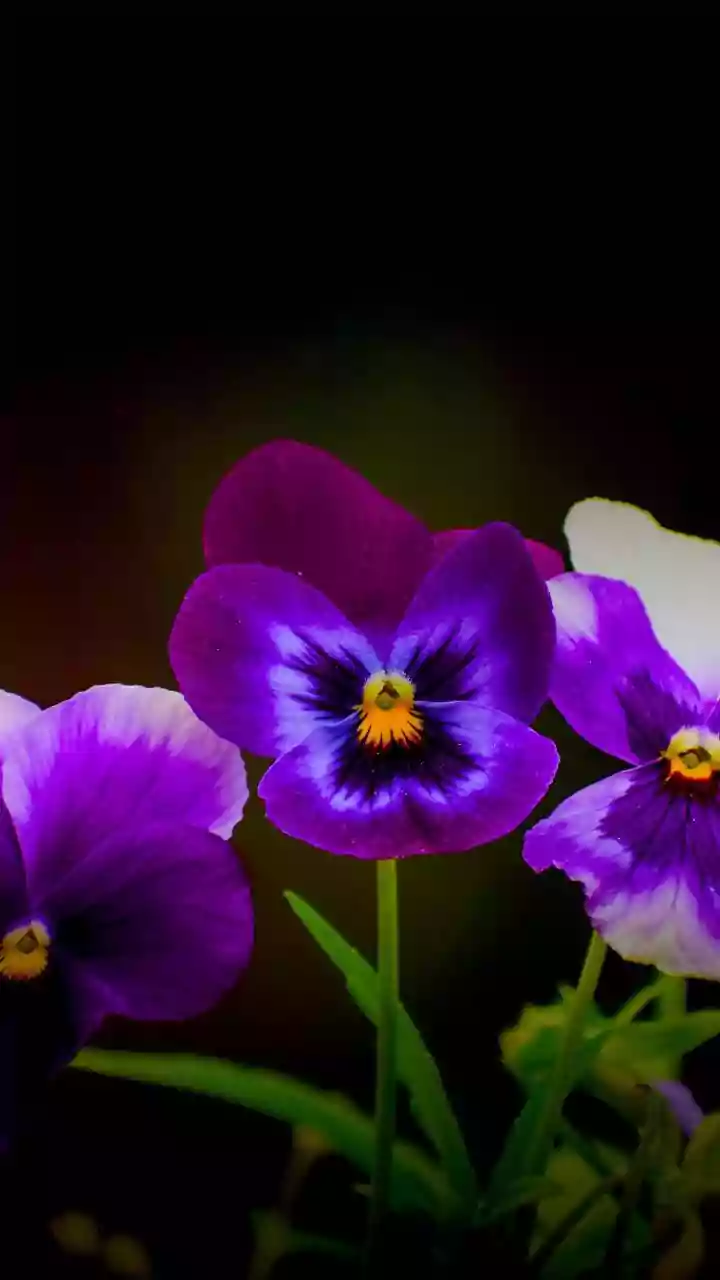
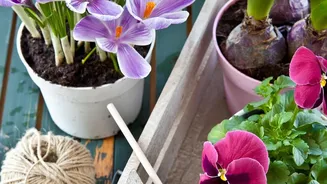
With their charming, face-like markings, Pansies bring a touch of whimsy to any balcony. These hardy flowers love cool weather and come in a wide array of colours, including deep purples, bright yellows, and blues. They are ideal for small pots and containers, making them perfect for compact spaces. Pansies prefer a spot with full sun but can tolerate partial shade, especially if the afternoon sun is harsh. It's important to keep their soil consistently moist but never soggy. Removing faded flowers will encourage a continuous display of their cheerful faces throughout the winter.
Calendula (Pot Marigold)
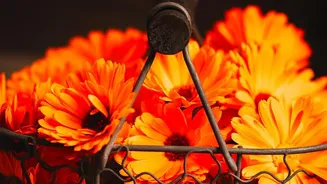
Often called the 'sunshine flower' of winter, Calendula produces bright, daisy-like blooms in shades of brilliant orange and yellow. It is exceptionally easy to grow from seed and is known for its hardy nature. Calendula thrives in a sunny spot and is not picky about soil, as long as it has good drainage to prevent its roots from getting soggy. It requires only moderate watering. Caring for Calendula in a pot is simple; keep the soil moderately moist and let the container dry out a little between waterings. The petals are also edible and have been traditionally used in teas.
Dianthus
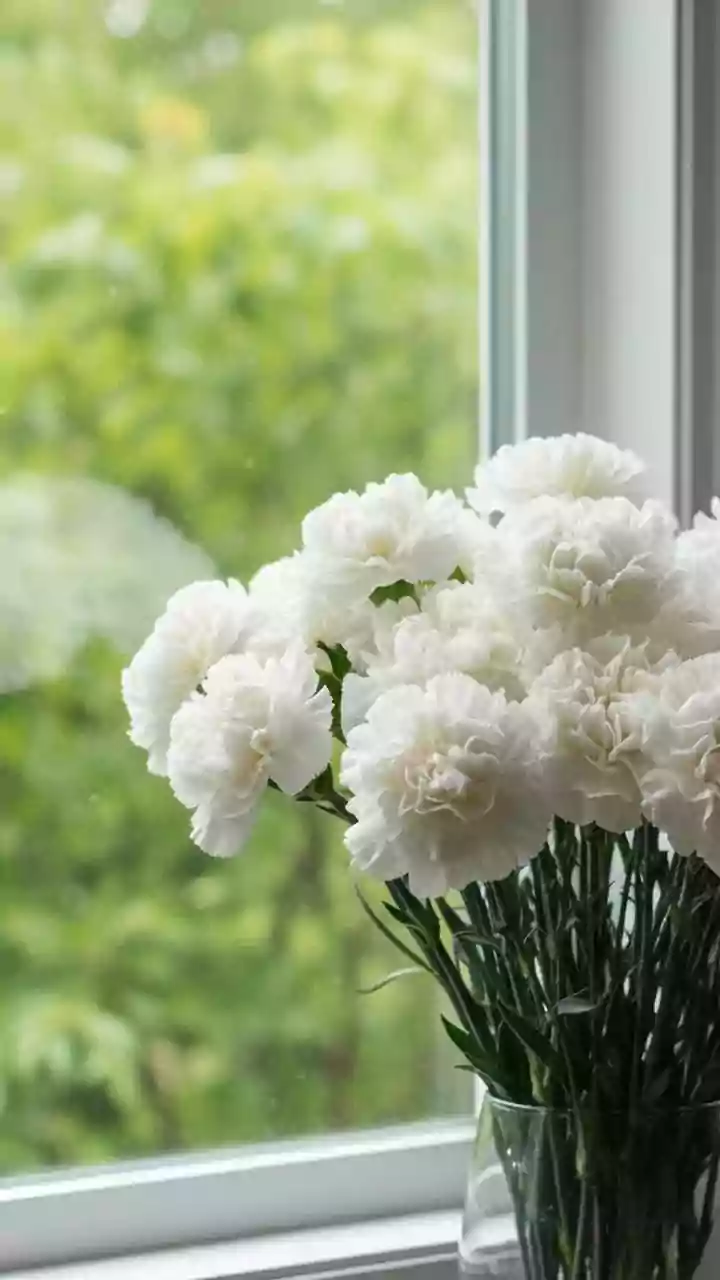
Known for their frilly petals and a sweet, clove-like fragrance, Dianthus plants are a delightful addition to a winter balcony. These compact plants, also called 'Pinks', produce blooms in shades of red, white, pink, and bicolour combinations. They are well-suited for pots and borders. Dianthus flowers need a sunny location, so choose a spot that gets at least four to six hours of direct sunlight. They prefer well-drained soil and dislike being overwatered. These low-maintenance beauties will reward you with a long blooming season that can last through winter and into early spring.
Verbena
For a trailing plant that creates a lush, cascading effect, Verbena is an excellent choice. Its clusters of small flowers bloom profusely and are perfect for hanging baskets and window boxes. To get the best floral display, place Verbena in a location that receives at least six to eight hours of full, direct sun each day. When grown in pots, these plants need regular watering, but it's crucial to let the top inch of soil dry out between sessions to prevent root rot. Use a pot with good drainage holes and feed every couple of weeks with a fertiliser that promotes flowering.
Alyssum
Sweet Alyssum forms a delicate, low-growing carpet of tiny, fragrant flowers. Often smelling of honey, these white, pink, or purple blooms are perfect for the edges of planters or in hanging baskets. Alyssum is a low-maintenance plant that thrives in full sun but will also tolerate some partial shade. It prefers well-draining soil and regular watering, but you should allow the soil to dry out slightly between waterings to avoid issues. If the plant starts to look tired mid-season, you can trim it back by about half to encourage a fresh and dense flush of new blooms.