


Lansdowne, Uttarakhand: A Quiet Cantonment Town
While Mussoorie and Nainital brace for the annual tourist surge, the charming cantonment town of Lansdowne in Uttarakhand remains a relatively peaceful retreat. Situated at an elevation of 1,780 metres, its colonial-era churches and pristine oak and blue
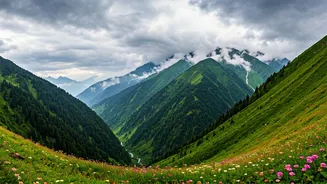
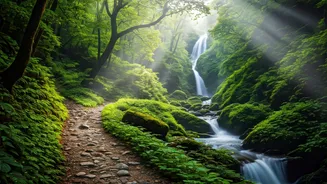
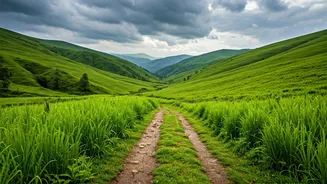
pine forests become even more magical when washed by rain. During the monsoon months of July to September, the town transforms into a lush, green paradise. The air is misty, the weather is pleasant, and the views are often of clouds drifting through the valleys below. Because it doesn't have a sprawling mall road or a checklist of commercial attractions, Lansdowne attracts travellers seeking solitude. Enjoy leisurely walks to St. Mary's Church, boat on the serene Bhulla Tal, or simply relax at a viewpoint like Tip-n-Top as the fog rolls in. While the risk of landslides exists in the monsoon, the town is generally considered a safer bet in the Himalayan foothills.
Tirthan Valley, Himachal Pradesh: The Adventurous Escape
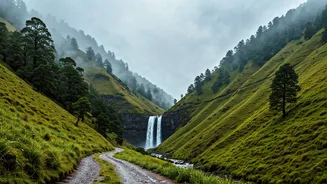
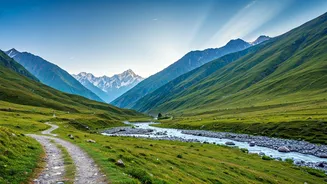
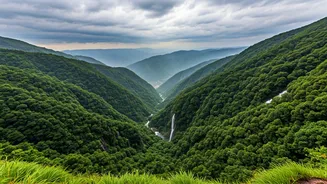
For those who prefer their monsoon with a side of adventure, Tirthan Valley is an exceptional choice. While the peak tourist season ends in June, the valley becomes a haven for those looking to see its rivers and waterfalls in full spate. Located in the Kullu district, this gateway to the Great Himalayan National Park (a UNESCO World Heritage Site) is less commercialised than its neighbour Manali. The monsoon (July to August) is technically the off-season due to heavy rainfall, which means fewer tourists and lower prices. This is the time for lush landscapes, thriving flora, and the quiet satisfaction of having a slice of the Himalayas to yourself. While core zone treks might be closed, you can still enjoy beautiful ecozone hikes to places like Chhoie Waterfall or walks through charming villages like Gushaini. The key is to be prepared for rain and potential roadblocks, and perhaps travel in the shoulder months of late June or September for a better balance of weather and beauty.
Fagu, Himachal Pradesh: The Village in the Clouds
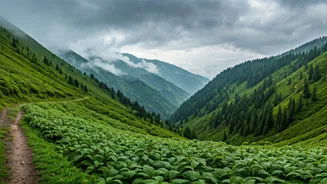
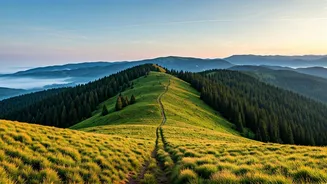
Just a short drive from the often-congested hubs of Shimla and Kufri lies Fagu, a tiny hamlet that truly lives up to its name, which is believed to be derived from 'fog'. Perched at an altitude of 2,500 metres, this village is frequently enveloped in a thick blanket of mist, creating an ethereal, almost dreamlike atmosphere. The monsoon months from July to September are when Fagu is at its most verdant, with its famous apple orchards laden with fruit. It’s a destination for slowing down, taking long walks through terraced fields, and enjoying panoramic views of the Himalayan ranges when the clouds part. Unlike its bustling neighbours, Fagu is not a destination of sights to be seen, but an experience to be felt, making it ideal for travellers looking to escape the commercial grind and immerse themselves in serene natural beauty.
Chakrata, Uttarakhand: The Secluded Haven
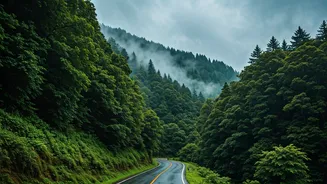
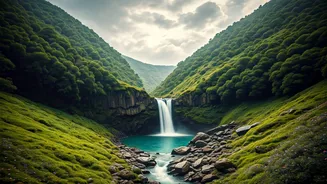
Another gem in Uttarakhand, Chakrata is a cantonment town near Dehradun that remains refreshingly off the mainstream tourist map. During the monsoon, its dense deodar forests take on a deeper shade of green, and the magnificent Tiger Falls becomes a thundering spectacle. With minimal tourist traffic, it’s the perfect spot for those who want to connect with nature without distraction. The quiet trails, opportunities for bird watching, and the overall tranquillity of the rainy season make it a rejuvenating escape from city life. Its relative seclusion ensures that you can enjoy the misty mountains and lush landscapes in peace.
A Gentle Reminder on Monsoon Travel
While these destinations offer a quieter monsoon experience, travelling to the mountains during this season requires caution. Landslides and roadblocks are a real possibility, so it's essential to stay updated on weather forecasts and local conditions. Always factor in a buffer day or two into your travel plans. Pack waterproof clothing, sturdy anti-slip footwear, and a first-aid kit. It's also wise to hire local drivers or consult with locals, as they have the best understanding of the terrain and weather patterns. With the right precautions, a monsoon trip to the Himalayas can be a safe and incredibly rewarding experience, offering a view of the mountains at their most vibrant and alive.