




Global Oil Taps Are Opening
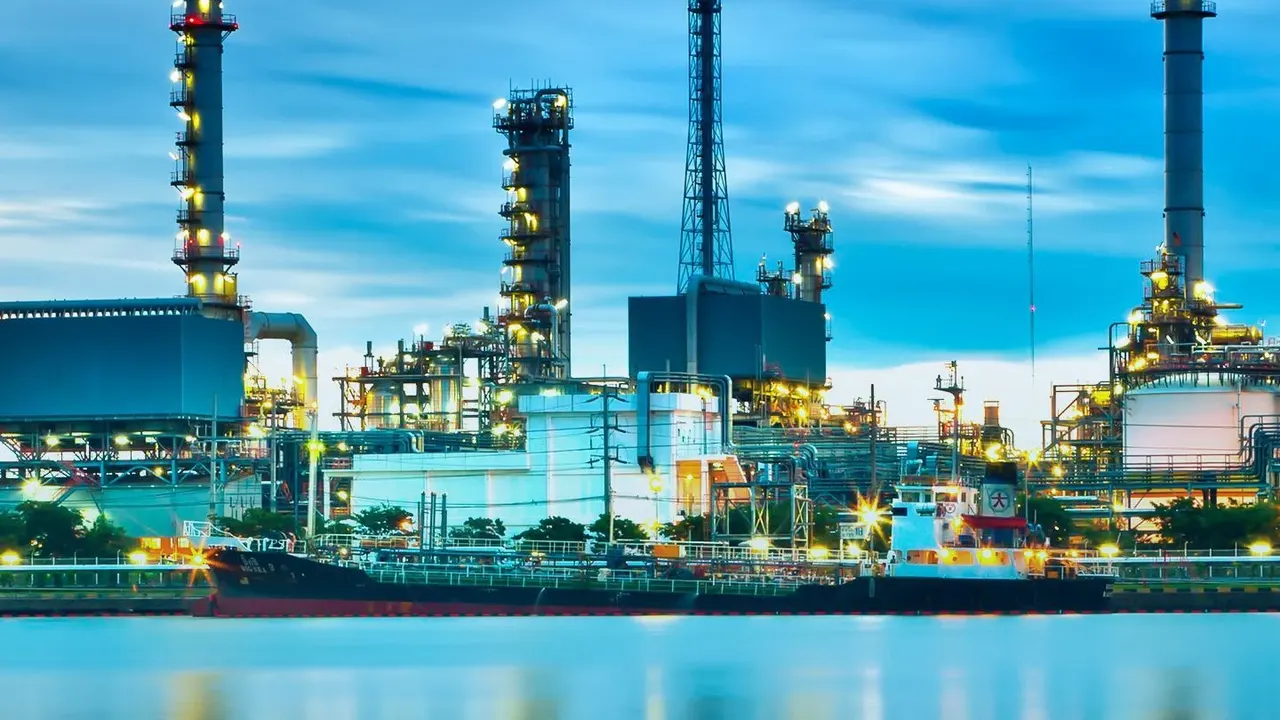
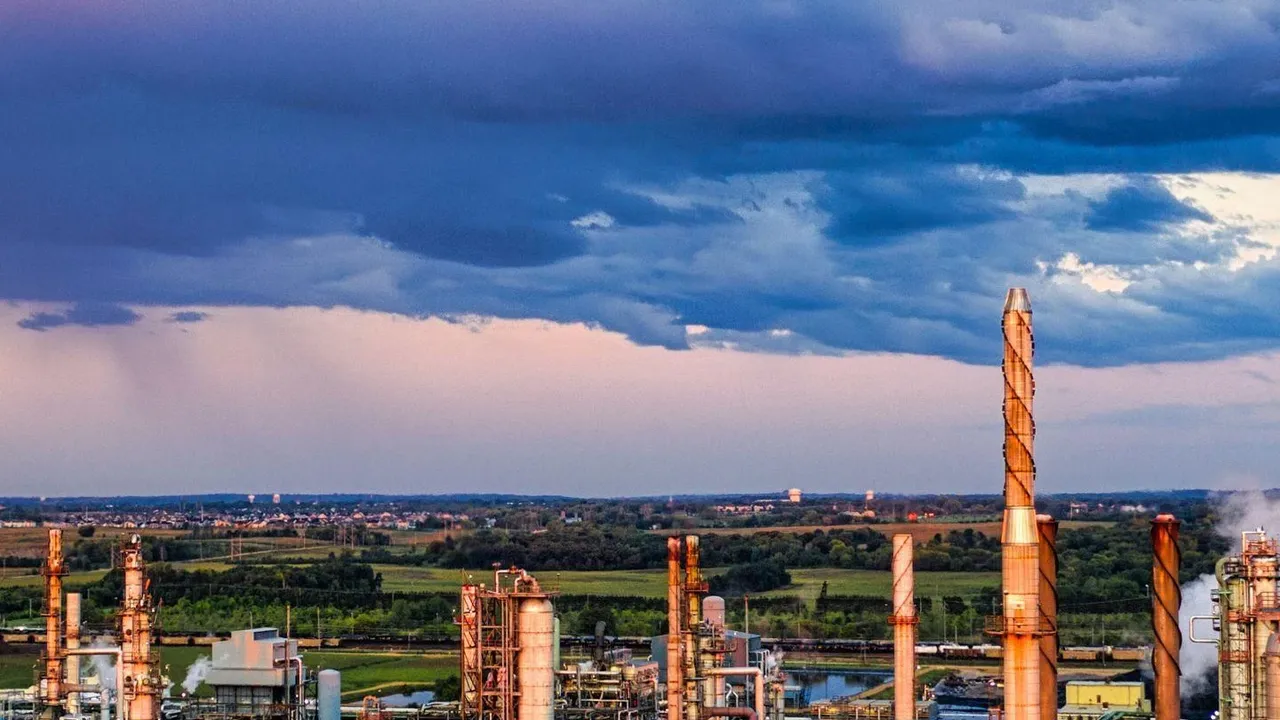
Recently, the OPEC+ alliance, a group of major oil-exporting countries including Saudi Arabia and Russia, agreed to increase their production targets. At a meeting on August 2, 2026, seven member nations decided to boost their combined output by 188,000
barrels per day starting in September. This move is part of a gradual plan to roll back the voluntary production cuts that were put in place in 2023 to stabilize the market. In theory, more supply hitting the global market should ease pressure on crude oil prices, the raw material for petrol and diesel. However, the global energy market remains volatile due to geopolitical tensions and disruptions to supply chains, meaning these production increases don't always translate to immediate or sustained price drops.
The Disconnect at the Pump
For the average Indian, the news of increased global oil supply often sparks a simple question: why isn’t the price of petrol and diesel going down? The frustration is understandable. While global crude oil prices are a major factor, they are only the starting point for what consumers pay in India. The final retail price is a complex calculation involving several other significant costs that are immune to global trends. In fact, what you pay for a litre of fuel is influenced more by domestic policy than by decisions made in Riyadh or Moscow. This is the “multi-layered” reality of Indian fuel pricing, where the crude price is just one ingredient in a much larger recipe.
Anatomy of a Litre of Fuel
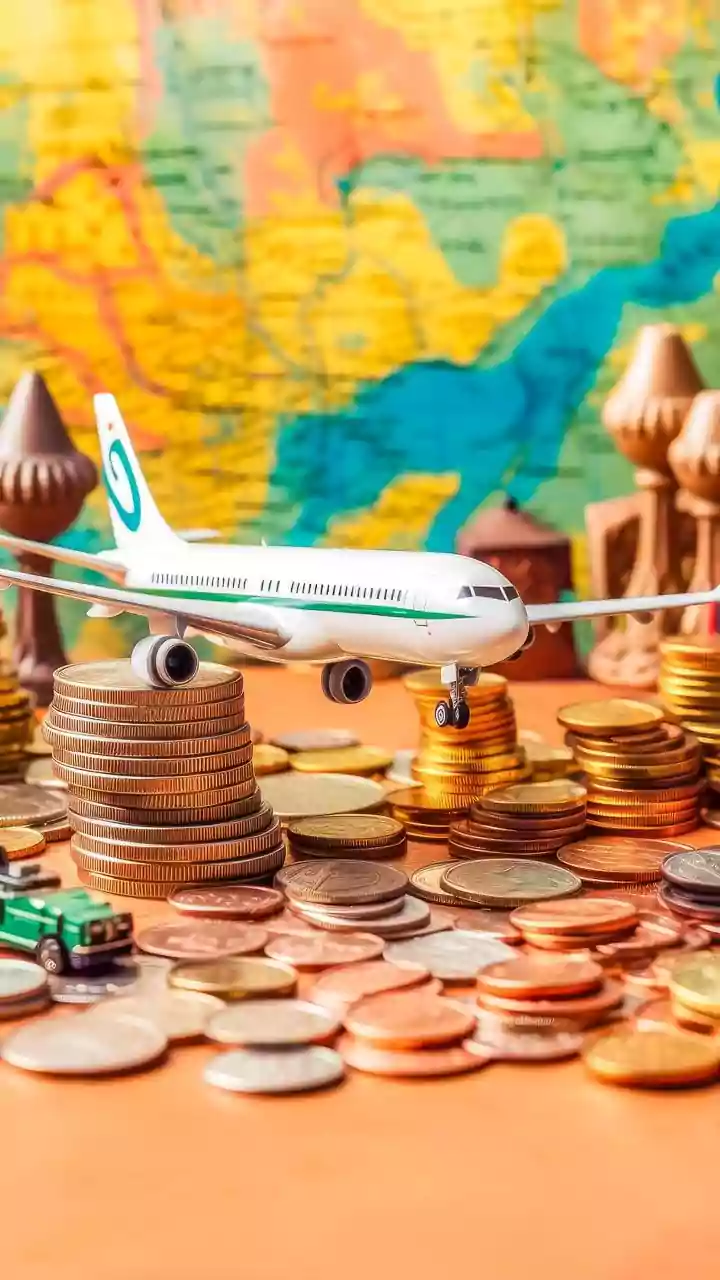
To understand why prices remain high, you have to deconstruct the price of a single litre. It starts with the base price, which includes the cost of crude oil purchased by oil marketing companies (OMCs), plus the costs of refining it into petrol or diesel and transporting it. But that’s where the simplicity ends. On top of this base price, two major taxes are added: the central government’s excise duty and the state government’s Value Added Tax (VAT). After taxes, a commission for the petrol pump dealer is added. The result is that taxes can make up around half or even more of the final retail price. This heavy tax component acts as a buffer; when global crude prices fall, the benefit is often not passed on to consumers because the tax structure remains the same.
The Government's Tax Calculus
The central and state governments rely heavily on the revenue collected from fuel taxes to fund public expenditure, from infrastructure projects to social welfare schemes. Because petrol and diesel are kept outside of the Goods and Services Tax (GST) regime, both levels of government have the flexibility to adjust their respective tax rates. This makes fuel a consistent and significant source of revenue. While this provides fiscal stability for the government, it means that consumers are often shielded from price drops but exposed to price hikes. Furthermore, the government sometimes uses other tools, like windfall taxes on fuel exports, to manage the market. These are levies on the extra profits made by refiners selling fuel abroad, intended to ensure enough supply is available for the domestic market.
What to Expect Next
Looking ahead, the price at the pump will continue to be a tale of two forces: volatile global markets and rigid domestic tax policies. Even if OPEC+ continues to increase supply, any potential drop in crude prices may not reach Indian consumers unless the government decides to cut excise duties. Ministers have often pointed to the financial losses incurred by state-run OMCs and market volatility as reasons for maintaining the current price structure. Therefore, while global headlines about oil supply offer a glimpse into one part of the equation, the final word on fuel prices in India rests firmly with domestic fiscal priorities. For now, the multi-layered price structure means consumers should not expect a direct or immediate correlation between global supply news and relief at the pump.