





The Challenge of Living off the Land
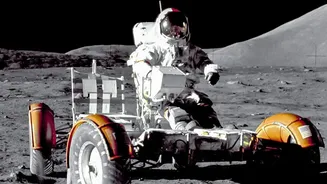
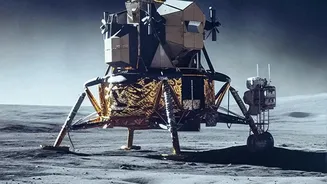
Establishing a permanent human presence on the Moon, a key goal of the Artemis program, presents immense logistical hurdles. The most significant is the need for a constant supply of breathable air. Transporting oxygen from Earth is incredibly expensive
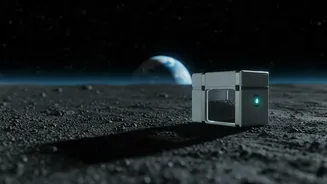
and unsustainable for long-term settlement. Every kilogram launched into space costs a fortune, making a lunar base reliant on Earth-based resupply missions impractical. To make a moon base viable, future astronauts will need to live off the land, a concept known as In-Situ Resource Utilization (ISRU). This means harvesting and processing local materials to produce essentials like water, building supplies, and, most critically, oxygen.
Mining the Moon for Air
While the Moon has virtually no atmosphere, its surface is surprisingly rich in oxygen. Lunar regolith, the dusty, rocky soil covering the Moon, is made up of about 45% oxygen by weight. This oxygen isn't free-floating; it's chemically bound to metals and minerals like silicon, aluminum, and iron oxide. For decades, scientists have theorized about ways to break these chemical bonds to release the oxygen. Successfully doing so would not only provide breathable air for habitats but also a key component for producing rocket propellant, which could turn the Moon into a refuelling station for deeper space missions to Mars and beyond.
How the Science Works: Carbothermal Reduction
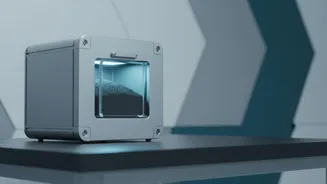
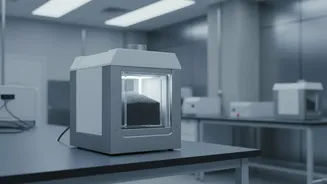
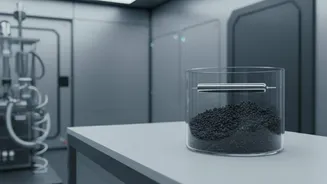
NASA is focusing on a process called carbothermal reduction to unlock this trapped oxygen. The project, aptly named the Carbothermal Reduction Demonstration (CaRD), uses concentrated solar energy to superheat the lunar soil inside a specialized reactor. In recent tests performed this year, the CaRD prototype used a solar concentrator—a system of precision mirrors—to focus sunlight, heating simulated lunar regolith to very high temperatures. This intense heat triggers a chemical reaction that splits the oxygen from the minerals. The initial output is carbon monoxide, which can then be processed through downstream systems to separate the pure, breathable oxygen.
Putting It to the Test
A recent integrated test marked a major milestone for the CaRD project. Teams from multiple NASA centers, including Johnson Space Center and Kennedy Space Center, along with private industry partner Sierra Space, successfully demonstrated the prototype. Using a solar energy delivery system, they heated the regolith simulant and confirmed the production of carbon monoxide, proving the solar-driven chemical reaction works as designed. This test effectively validates the technology's readiness for a potential demonstration on the lunar surface. The successful trial shows that the system can survive the harsh lunar environment and reliably extract oxygen, a crucial step before incorporating it into a future Artemis mission.
The Road to a Lunar Colony
This technology is a cornerstone of NASA's 'Moon to Mars' architecture and its plan to establish a sustainable Artemis Base Camp at the lunar south pole. By proving that vital resources can be produced on-site, NASA is laying the groundwork for a true lunar economy. The ability to generate oxygen and potentially use the leftover metallic alloys for manufacturing and construction will drastically reduce the cost and complexity of human exploration. This breakthrough isn't just about surviving on the Moon; it's about learning how to thrive, creating a blueprint for future settlements across the solar system, including on Mars, where similar principles could be applied to its carbon dioxide-rich atmosphere.