


What is a Solar Maximum?
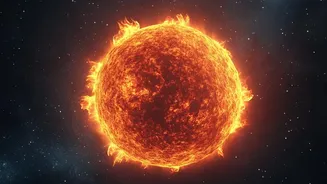
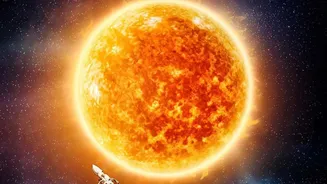
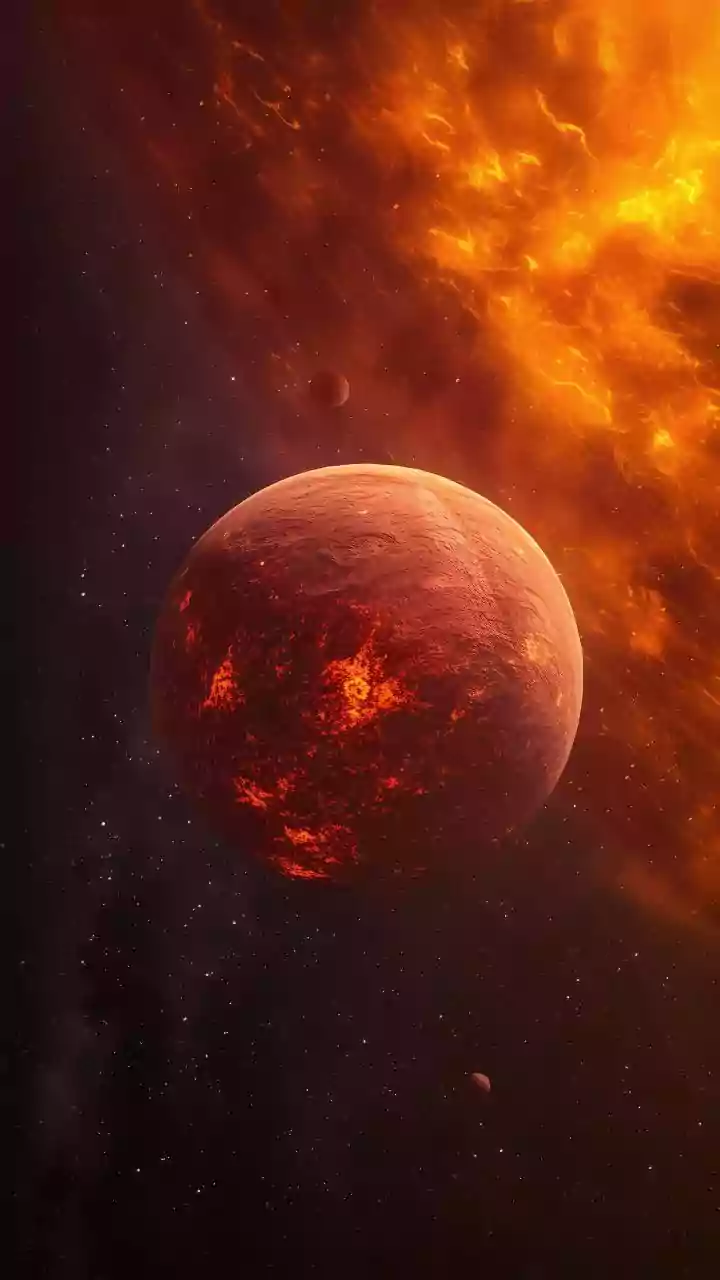
The sun operates on an approximately 11-year cycle, moving from a quiet period (solar minimum) to a phase of intense activity (solar maximum), and back again. We are currently in Solar Cycle 25, which began in December 2019. During solar maximum, the
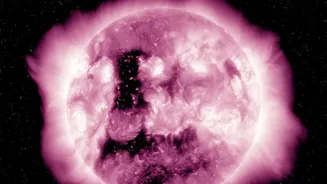
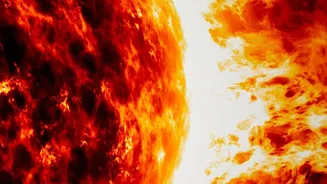
sun's magnetic field becomes tangled and chaotic, leading to a dramatic increase in sunspots. These sunspots are cooler, darker areas on the solar surface with extremely intense magnetic fields. This magnetic turmoil is the engine that drives solar activity, and the current cycle has been more active than originally predicted. Scientists track this cycle to understand and prepare for its effects on our planet.
Solar Storms Explained
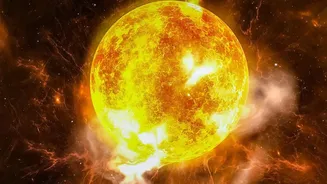
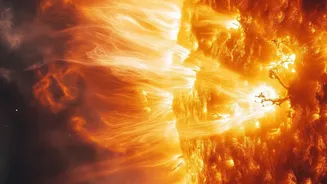
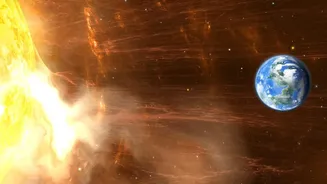
The increased energy during solar maximum results in two major types of solar eruptions: solar flares and coronal mass ejections (CMEs). A solar flare is a tremendous explosion on the sun's surface, releasing a massive burst of radiation. A CME is even more powerful; it's the eruption of a giant cloud of electrified gas, or plasma, from the sun's outer atmosphere (the corona) into space. When these eruptions are directed towards Earth, this stream of charged particles and radiation is called a solar storm. These storms can travel millions of miles and reach our planet in a matter of days, or even hours.
The Impact on Satellites and Grids
When a solar storm hits Earth, it interacts with our planet's protective magnetic field, the magnetosphere. While this shield deflects most of the danger, intense storms can still cause significant disruption. Satellites are particularly vulnerable. The charged particles can damage sensitive electronics, degrade solar panels, and cause them to malfunction. The increased energy can also heat and expand Earth's upper atmosphere, increasing drag on satellites in low-Earth orbit and causing their orbits to decay. On the ground, strong geomagnetic storms can induce powerful electrical currents in power grids and pipelines. In a worst-case scenario, like the 1989 storm that caused a major blackout in Quebec, these currents can overload transformers and disrupt electricity for millions.
Monitoring and Mitigation
Thankfully, we aren't flying blind. Space agencies around the world, including India's ISRO, constantly monitor the sun's activity. Observatories like Aditya-L1 are positioned to detect solar flares and CMEs, providing crucial early warnings. This allows satellite operators and power grid managers to take protective measures, such as temporarily shutting down sensitive systems or re-routing power. ISRO's monitoring networks, like INSWIM, track the impact of solar events on our atmosphere and technology, helping to refine models and improve preparedness. These efforts are vital to protecting the modern infrastructure we depend on, from GPS and telecommunications to banking and weather forecasting.
Nature's Dazzling Light Show
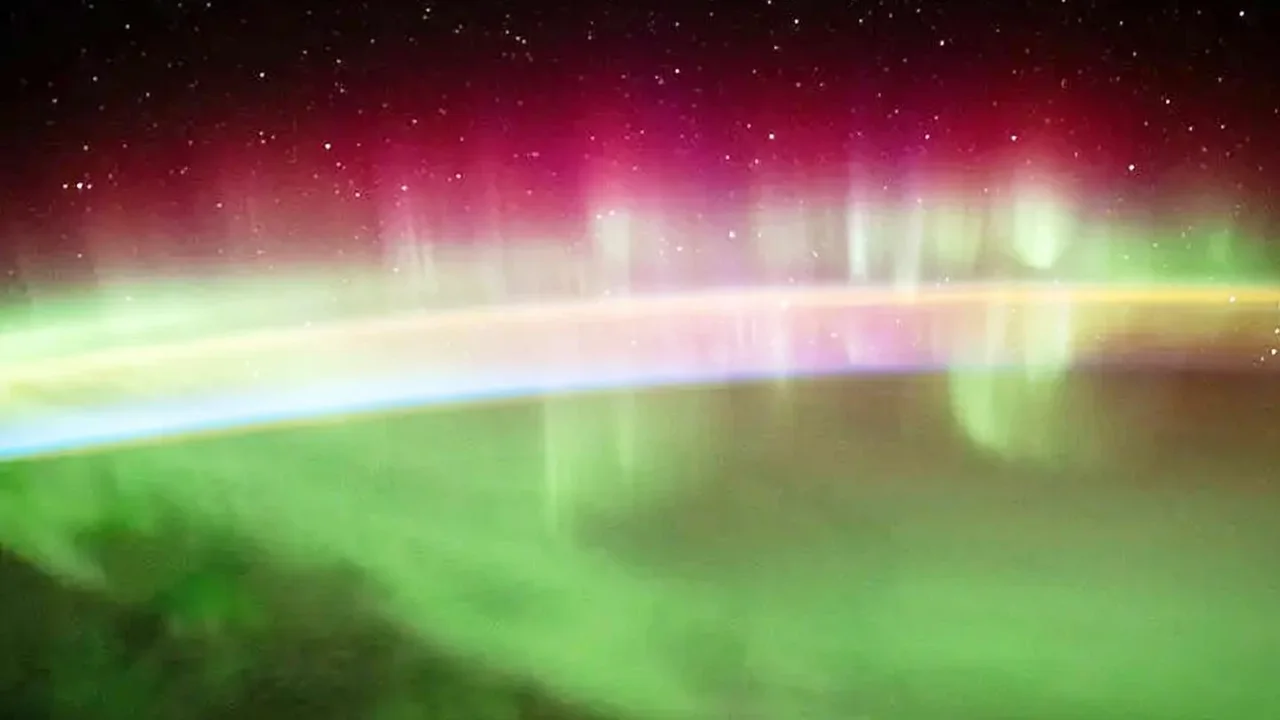
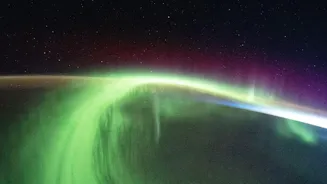
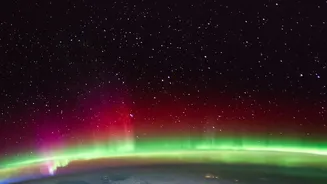
It's not all doom and gloom. The same solar particles that threaten our technology also create one of nature's most spectacular sights: the aurora. Known as the aurora borealis (Northern Lights) and aurora australis (Southern Lights), these light displays happen when charged particles from the sun are guided by Earth's magnetic field toward the poles. There, they collide with atoms and molecules of oxygen and nitrogen in the upper atmosphere. These collisions excite the atmospheric gases, causing them to glow in vibrant colors, much like a neon sign. Oxygen typically produces the most common green and rarer red lights, while nitrogen can create shades of blue and purple. During a solar maximum, auroral displays become more frequent, intense, and can be seen at lower latitudes than usual.