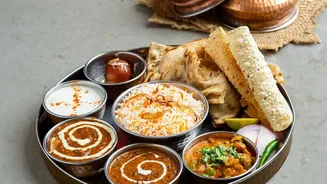




Beyond the familiar butter chicken and biryani lies a vast culinary universe. A new wave of chefs is on a mission to explore it, unearthing forgotten recipes and giving underrated regional dishes the spotlight they have long deserved.
Moving Past the Mainstream
For decades, the
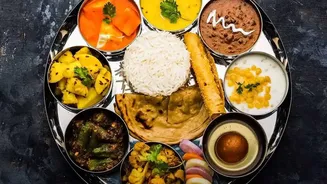
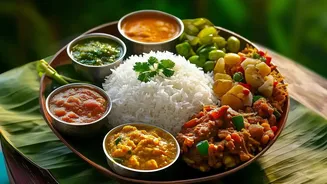
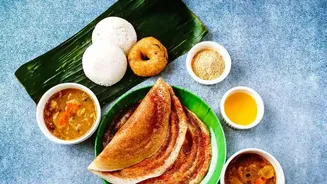
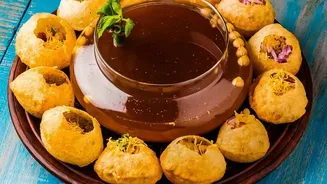
global understanding of 'Indian food' has been shaped by a handful of North Indian and Mughlai classics. While delicious, this narrow representation overlooks the incredible diversity of the nation's culinary heritage, where language, culture, and cuisine can change every 50 kilometres. From the coastal flavours of Kerala to the rustic dishes of Jammu, countless recipes have remained hidden in home kitchens and local communities. This historical imbalance is now being corrected by culinary innovators who believe India's food story is far more complex and exciting than the mainstream narrative suggests.
The Culinary Archaeologists
A new generation of chefs is acting as culinary archaeologists, travelling across the country to unearth these lost or forgotten recipes. Figures like Osama Jalali have dedicated their careers to researching and reviving dishes from royal courts and old family kitchens, such as Murgh Chargha from Lahore or the rare Chole Murgh from undivided India. Similarly, other chefs and hotel groups are curating food festivals celebrating the forgotten flavours of regions like Rajasthan and Southern India. This movement isn't just about collecting old recipes; it’s about understanding the culture, ingredients, and techniques that have preserved these cuisines for generations. These chefs are driven by a pride in hyper-regional traditions and a desire to tell a more authentic story on the plate.
Old Dish, New Twist
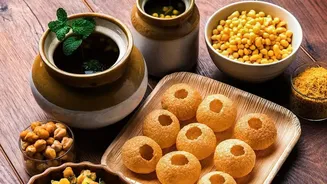
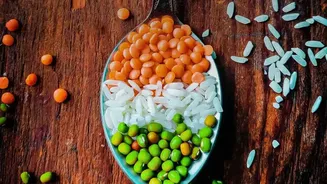
The mission is not just to replicate, but to elevate. Modern chefs are using contemporary techniques to refine and present these traditional dishes in new and exciting ways. This might involve applying global methods like sous-vide to a traditional meat preparation or using modern plating to turn a humble dish into a work of art. At Mumbai's Masque, for example, chefs have reimagined the classic masala papad using nixtamalized corn. In other kitchens, ancient grains and hardy millets are being placed at the centre of menus, while classics like dal and kebabs are being rethought with lighter sauces and seasonal produce for a cleaner flavour profile. The goal is to innovate while respecting the dish's history and soul.
A Craving for Authenticity
This culinary renaissance is fueled by a significant shift in diner preferences. There's a growing curiosity and appetite for more layered, authentic expressions of Indian food. Diners are increasingly interested in provenance, local ingredients, and the stories behind their meals. Factors like increased domestic travel, the influence of social media, and a rising sense of regional pride have made consumers more adventurous. This has created the perfect environment for chefs to move beyond safe, familiar menus and introduce diners to the unique flavours of Nagaland's fermented bamboo shoots or the hyperlocal delicacies of a single district in Tamil Nadu.
The Future is Regional
This trend is about more than just food; it's a redefinition of India's culinary identity on both a national and global stage. By championing local ingredients like bhangjeera or heritage rice varieties, chefs are also supporting agricultural biodiversity and local economies. This movement ensures that the country's rich food heritage is not just preserved but continues to evolve. As more chefs bring these lesser-known dishes to the forefront, the perception of Indian food is expanding to reflect its true diversity. The success of these regional menus proves that there is a strong demand for dishes that tell a story of culture, land, and history.