








The Power of Regular, Short Breaks
Before diving into the 'how,' it's important to understand the 'why.' Constantly pushing through without pause can lead to burnout, reduced productivity, and mental fog. Research shows that taking regular breaks, even short ones, is essential for our
well-being. These pauses help restore energy, improve focus, reduce stress, and can even boost creativity and problem-solving skills. Shorter, more frequent trips can be a powerful way to recharge without the financial or logistical strain of a massive annual holiday. Viewing these getaways not as an indulgence but as a necessary practice for mental and emotional health is the first step toward making them a priority.
Step 1: Create a Dedicated Travel Account
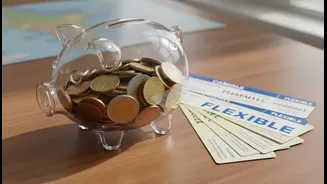
The most effective first step is to separate your travel savings from your everyday finances. Opening a dedicated savings account for travel creates a clear psychological boundary. This prevents you from accidentally dipping into your vacation money for other expenses and makes it easier to track your progress toward your goal. Many banks allow you to open a sub-account or a specific 'sinking fund' for this purpose. Giving the account a motivational nickname like “Weekend Getaway” or “Rajasthan Trip” can make you less likely to withdraw funds for impulse buys because you are visually reminded of what you’re saving for.
Step 2: Automate Your Savings
Consistency is more important than volume. The easiest way to be consistent is to automate the process. Set up an automatic transfer from your primary salary or checking account to your travel fund. This could be a fixed amount every week, biweekly, or monthly. Even a small, regular contribution adds up significantly over time without you having to think about it. Some banking apps also offer features that round up your purchases to the nearest rupee and transfer the difference to your savings, a painless way to build your fund with spare change.
Step 3: Find Extra Money to Fuel Your Fund
Beyond automated savings, look for small ways to redirect money into your fund. Audit your monthly subscriptions and cancel any you rarely use. Try cutting back on one non-essential expense, like a few takeout meals or daily coffees, and transfer that exact amount into your travel account. This practice of 'paying yourself' for skipping something makes the saving process more tangible. You can also commit any unexpected money, like a bonus, a tax refund, or cash from selling unused items, directly to your travel fund.
Step 4: Make Your Small Fund Go Further
A modest budget doesn't mean a boring trip. Smart planning can stretch every rupee. Travel during the off-peak or 'shoulder' seasons when flights and accommodations are cheaper. Being flexible with your travel dates, even by a day or two, can unlock significant savings. Consider destinations closer to home to save on airfare, or explore budget-friendly lodging like guesthouses, homestays, or vacation rentals with kitchens. Cooking some of your own meals, especially breakfast, can drastically cut down on food costs, which often take up a large portion of a travel budget. Finally, look for free activities like exploring parks, visiting free museum days, or simply enjoying the local culture on foot.