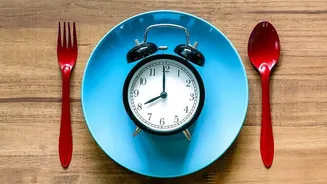








Your Body Runs on a 24-Hour Clock
Every cell in your body follows a natural 24-hour cycle called a circadian rhythm. This internal master clock, located in the brain, is primarily set by light and darkness. It tells you when to feel sleepy and when to be alert. But it does much more than
that; it also orchestrates a vast array of bodily functions, including hormone release, body temperature, and, crucially, digestion and metabolism. Your digestive system isn't designed to be working at full capacity at 3 a.m.. During the day, your body is primed to efficiently process food. At night, as your body prepares for rest and repair, your digestive processes naturally slow down. This fundamental rhythm is a key reason why shift work can take such a toll on the body.
The Metabolic Disruption of Night Eating
Working the night shift forces you to be awake, alert, and active when your body is biologically programmed to be winding down. This creates a state of 'circadian misalignment', where your behaviors are out of sync with your internal clocks. Eating meals during the night adds another layer to this disruption. While your brain's master clock is governed by light, the clocks in your organs—like the liver, pancreas, and gut—are strongly influenced by food intake. When you eat a meal in the middle of the night, you're essentially telling your digestive organs to wake up and get to work at the very moment your master clock is telling them to rest. This conflict can lead to significant metabolic consequences. Studies consistently show that shift workers are at a higher risk for conditions like obesity, type 2 diabetes, and heart disease.
The Science of Daytime Eating for Shift Workers
Recent research provides compelling evidence that confining meals to daylight hours can counteract some of the negative health effects of shift work. One landmark study involving simulated night work found that participants who ate during the night experienced a significant spike in their blood glucose levels—a key risk factor for diabetes. In contrast, the group that ate the exact same meals but only during the daytime showed no such increase. Their bodies were simply better at processing sugar during the day, even while their sleep schedule was disrupted. This strategy, often called time-restricted eating (TRE), helps to better align the body's peripheral organ clocks with the brain's master clock. The benefits appear to extend beyond blood sugar, with studies on firefighters and other shift workers showing potential improvements in blood pressure and cholesterol levels.
Practical Strategies for a Healthier Shift
Adopting a daytime eating strategy requires planning, but it's a feasible and powerful intervention. The goal is to consume your main meals during daylight hours and minimize or avoid eating during your overnight shift. Try to have a substantial, balanced meal before your shift begins. If you feel hungry during your shift, opt for small, high-protein, high-fiber snacks that are easy to digest, rather than a large, heavy meal. Good options include a hard-boiled egg, a handful of nuts, yogurt, or vegetables. Staying well-hydrated with water is also essential. Avoid sugary drinks and highly processed carbohydrates, which can cause energy crashes and further disrupt blood sugar levels. The key is to think of the overnight period as a time for your digestive system to fast, just as it would during a normal night's sleep.