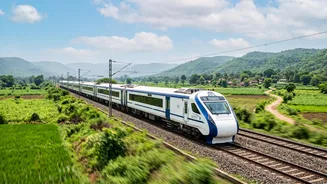


Act Now, Even at the Last Minute
The single most effective strategy for festival travel is booking well in advance. However, if you're reading this now, that ship may have sailed. Don't despair. The 'last minute' is a sliding scale. Booking today is better than booking tomorrow. Prices
for flights and buses operate on dynamic pricing, meaning they rise as demand increases and availability drops. The perennial festival surge is a known phenomenon, so securing any available seat as soon as your plans are firm is the best move you can make. Don't wait for a mythical price drop that rarely comes during peak festival seasons.
Embrace Flexibility with Dates and Times
Since Rakhi falls on a Friday in 2026, it creates a natural long weekend, intensifying the travel rush. If you have any flexibility, use it. Travelling a day earlier, on Thursday, August 27th, or returning a day later on Monday can make a significant difference in both ticket availability and cost. Also, consider unconventional travel times. Early-morning or late-night 'red-eye' flights and buses are often the last to fill up and can be cheaper than those departing at peak hours. A small adjustment to your schedule could be the key to avoiding the biggest crowds and highest fares.
Look Beyond Your Usual Route
If a direct train or flight is unavailable or exorbitantly priced, it's time to get creative. Check for availability at alternate airports. A larger hub an hour or two away by car might have more options and better fares than a smaller regional airport. The same logic applies to trains and buses. Consider booking a ticket to a nearby major station and completing the final leg of your journey via a different mode of transport, like a local bus or a pre-booked cab. This 'break-down' approach can sometimes reveal hidden availability.
Master the Tatkal System for Trains
For last-minute train travel, the Tatkal scheme is a lifeline, though it requires speed and preparation. Booking opens one day in advance of the train's departure from its origin station. The window is tight: 10 AM for AC classes and 11 AM for non-AC classes. To increase your chances, have your IRCTC login details, a master list of passengers, and a valid government ID ready before the window opens. Recent rule changes in some zones involve token systems at counters to manage queues, so check local station rules if booking in person. Online booking now also involves OTP verification, an extra step designed to ensure genuine passengers get priority.
Explore Road and Air Alternatives
Don't fixate on trains. The festival rush impacts all modes of transport, but sometimes one has more capacity than another. Private buses, especially luxury AC sleepers, are a popular and often reliable backup. While fares will be higher than usual, they provide a viable alternative when trains are full. Similarly, check flight options. Use flight comparison websites and set fare alerts for your route. Sometimes, budget airlines offer competitive fares if booked even a week or two out. You might even consider a combination: a flight to a nearby city followed by a bus journey.
Have a Plan B and a Plan C
During the intense festival rush, even confirmed plans can face disruption. Overcrowding on trains, even in reserved coaches, has become a reported issue during peak festival travel. Your best defence is a backup plan. If your primary train ticket is waitlisted with a low chance of confirmation, have an alternative bus or flight option researched. If traveling by road, account for potential traffic delays. The goal is to reach your family, and sometimes that requires shifting from your preferred mode of travel to what is practically available. If all else fails and travel becomes impossible, arranging a video call and sending your Rakhi by courier is a heartfelt backup that keeps the spirit of the festival alive.