


What Exactly Is Calamansi?
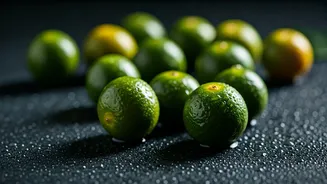
Calamansi, also known as calamondin or the Philippine lime, is a small citrus fruit that looks like a miniature round lime. Native to the Philippines and other parts of Southeast Asia, it’s technically a hybrid between a kumquat and a mandarin orange.
This combination gives it a unique flavour profile that’s more than just sour. Imagine the tang of a lime mixed with the floral, slightly sweeter notes of a mandarin. Though small, it packs a powerful, aromatic punch that has made it a staple in Filipino cuisine for centuries, used in everything from marinades and dipping sauces to refreshing juices. While it has long been a household favourite in its native region, global wellness trends are just now catching on to what makes this tiny fruit so special.
The Wellness Breakdown
The main reason calamansi is gaining global attention is its impressive nutritional profile. Like other citrus fruits, it is an absolute powerhouse of Vitamin C, a crucial nutrient for a robust immune system. Some data suggests a serving can provide a significant portion of your recommended daily intake, helping your body produce the white blood cells needed to fight off infections. Beyond immunity, calamansi is packed with antioxidants, which help protect your body from the damage caused by free radicals and oxidative stress, potentially lowering the risk of chronic diseases. The fruit also contains other essential nutrients like potassium, Vitamin A, and calcium, contributing to overall health and vitality.
Potential Benefits Beyond the Hype
Dive into the wellness chat, and you’ll hear claims about calamansi for everything from weight loss to detoxification. So what’s the reality? The fruit is low in calories and can be a great, flavourful substitute for sugary drinks, which can support weight management. Some proponents also claim its citric acid content can aid digestion by stimulating digestive enzymes. Another significant benefit is its role in skin health. The high concentration of Vitamin C supports collagen production, the protein responsible for skin elasticity and repair, which can lead to a healthier, more radiant complexion. In fact, it is a popular ingredient in skincare products across Asia for its natural brightening properties. There is also some evidence that the soluble fibre found in the fruit, like pectin, may help in lowering bad cholesterol levels.
How to Use Calamansi at Home
Ready to give it a try? The easiest way to enjoy calamansi is by making a simple juice, often called Filipino lemonade. Just squeeze the juice, dilute it with water, and sweeten to your taste with honey or sugar. It makes an incredibly refreshing drink on a hot day. In the kitchen, its culinary uses are nearly endless. Use the juice as a marinade for chicken or fish to tenderise the meat and add a zesty flavour. A classic Filipino dipping sauce, or 'sawsawan', often involves a simple mix of calamansi juice and soy sauce, perfect for grilled meats and seafood. You can also add a squeeze to noodle dishes, soups, and even cocktails for a bright, acidic kick. If you can't find fresh calamansi, check Asian markets for bottled or frozen juice, which work wonderfully in most recipes.