




Slovenia: For Europe’s Green Heart
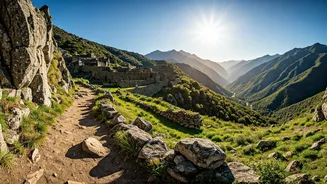
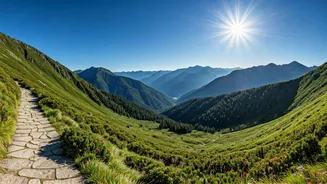
Imagine a country where sustainability isn't just a buzzword, but a national strategy. Welcome to Slovenia. This small European nation, nestled between Italy, Austria, and Croatia, is a powerhouse of green thinking. The country created the Green Scheme
of Slovenian Tourism, a rigorous national certification program that encourages destinations, hotels, and attractions to meet high environmental and social standards. More than 100 destinations and providers have earned the “Slovenia Green” label. For travelers, this means you can easily support businesses that protect biodiversity, conserve water, and engage with local culture. From the car-free capital of Ljubljana to the pristine trails of Triglav National Park, Slovenia makes it simple to travel responsibly without sacrificing adventure.
Palau: For the Country That Asks for a Promise
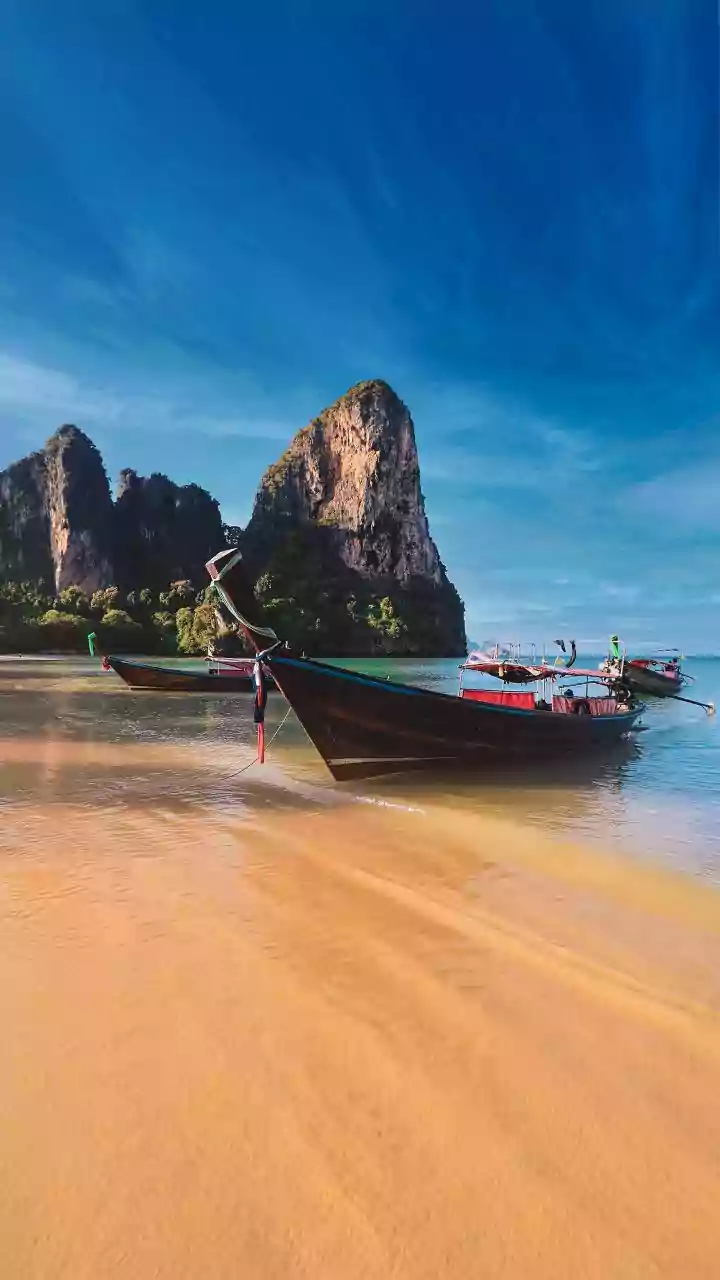
Some destinations talk about sustainability; Palau makes you sign a contract. Upon arrival in this stunning Pacific island nation, visitors must sign the Palau Pledge, a conservation promise stamped directly into their passports. The pledge is a poem written by Palauan children, asking visitors to “tread lightly, act kindly, and explore mindfully.” This isn't just a symbolic gesture. The country has designated over 80% of its marine territory as a protected sanctuary, banning commercial fishing to preserve one of the world's most vibrant underwater ecosystems. By choosing Palau, you are actively participating in a nation’s commitment to its environment and agreeing to be a steward, not just a tourist.
Costa Rica: For the Pura Vida Lifestyle
Long before “eco-tourism” was a hashtag, Costa Rica was living it. This Central American jewel has built its global reputation on the concept of “Pura Vida,” or the pure life—a philosophy that extends to its relationship with nature. Over a quarter of the country’s land is protected in national parks and reserves, and it has successfully reversed deforestation while running on over 98% renewable energy. The travel industry is built around this ethos, with a vast network of eco-lodges that are often locally owned and deeply integrated with conservation efforts. A trip here means your tourist dollars are directly supporting the preservation of cloud forests, the protection of sea turtle nesting sites, and the livelihoods of communities who have made nature their greatest asset.
Bhutan: For Prioritizing Happiness over Crowds
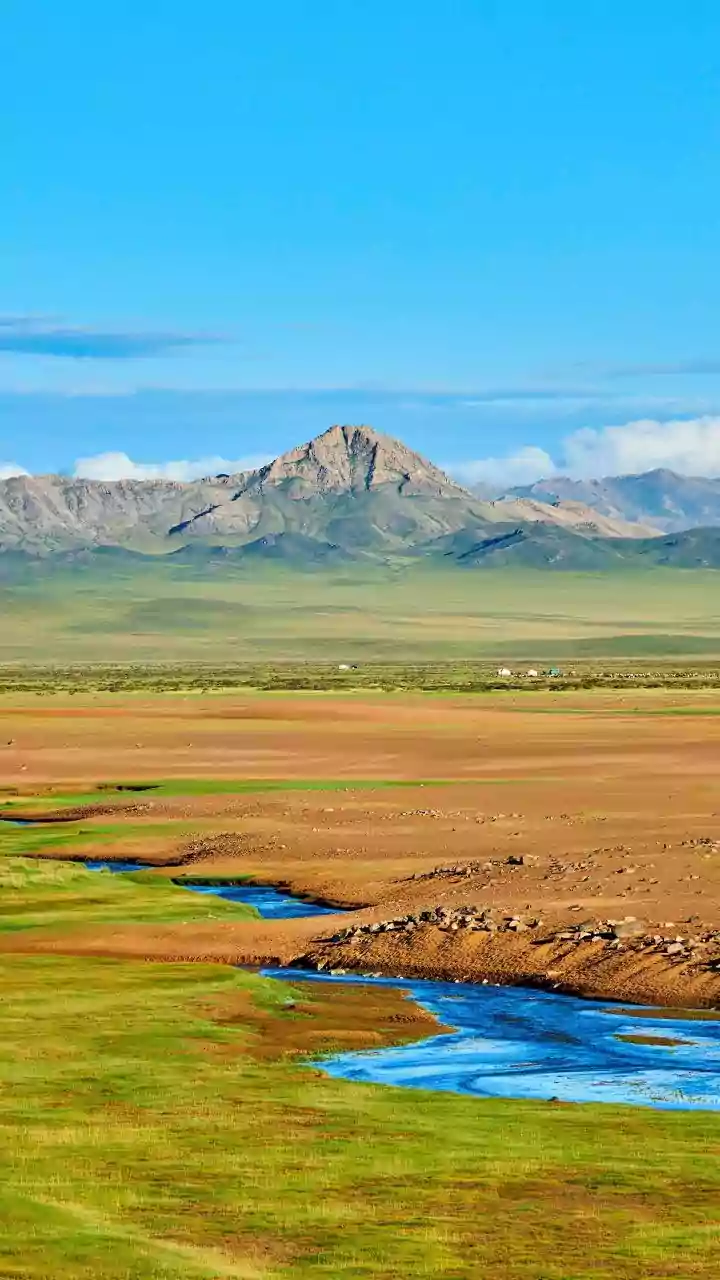
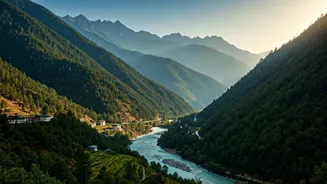
Tucked away in the Himalayas, the Kingdom of Bhutan has always played by its own rules. It famously measures its progress not by Gross Domestic Product, but by Gross National Happiness. This principle shapes its entire approach to tourism, which is built on a “High Value, Low Volume” model. To visit, most travelers must pay a daily Sustainable Development Fee, which funds public services like education, healthcare, and infrastructure, ensuring that tourism directly benefits every citizen. This model deliberately limits the number of visitors, preventing the overtourism that has plagued other iconic destinations. It protects Bhutan’s pristine landscapes and vibrant Buddhist culture, offering travelers a rare glimpse into a place that has uncompromisingly put its people and environment first.
Fogo Island Inn, Newfoundland: For Radical Localism
A destination that “cares” doesn’t have to be an entire country. Sometimes, it’s a single, powerful idea. The Fogo Island Inn, perched on a dramatic coastline off Newfoundland, Canada, is a prime example. Conceived as a social enterprise, the inn was built to revitalize a remote fishing community facing economic collapse. All of its operating surpluses are reinvested back into the community through the Shorefast foundation. The architecture is stunning, but the mission is the real masterpiece. Every detail, from the handcrafted furniture made by local artisans to the locally sourced food, is designed to benefit Fogo Islanders. It’s a powerful model of regenerative tourism, proving that luxury and social good aren't mutually exclusive. It shows how one project can anchor an entire community’s future.