





The Smart Economics of Seasonal Eating
Eating seasonally is a tradition deeply rooted in Indian culture, and for good reason. When vegetables are in season, they are abundant. This simple law of supply and demand means prices drop significantly. Produce that's locally in season doesn't require
expensive transportation or long-term cold storage, and those savings are passed directly to you at the local market. Furthermore, seasonal vegetables are at their peak in terms of flavour and nutritional value. Produce harvested at its natural point of ripeness contains more vitamins and antioxidants compared to items that are picked early and transported over long distances. This means you get tastier, more nutrient-dense food for less money.
Monsoon Bounty: Vegetables to Pack Now
The monsoon season in India brings a wonderful variety of vegetables that are perfect for a packed lunch. They are hydrating, easy to cook, and thrive in the humid, rainy conditions. Look for these stars at your local vegetable vendor: Bottle Gourd (Lauki), Ridge Gourd (Turai), and Bitter Gourd (Karela) are classics of this season. They are fantastic in simple sabzis that pair perfectly with rotis. Okra (Bhindi) also flourishes during the monsoon and holds up well in a lunchbox, staying delicious even when eaten hours later. Brinjal (Baingan) is another excellent choice, versatile enough for a dry curry or a flavourful bharta.
Your Monsoon Lunchbox Meal Plan
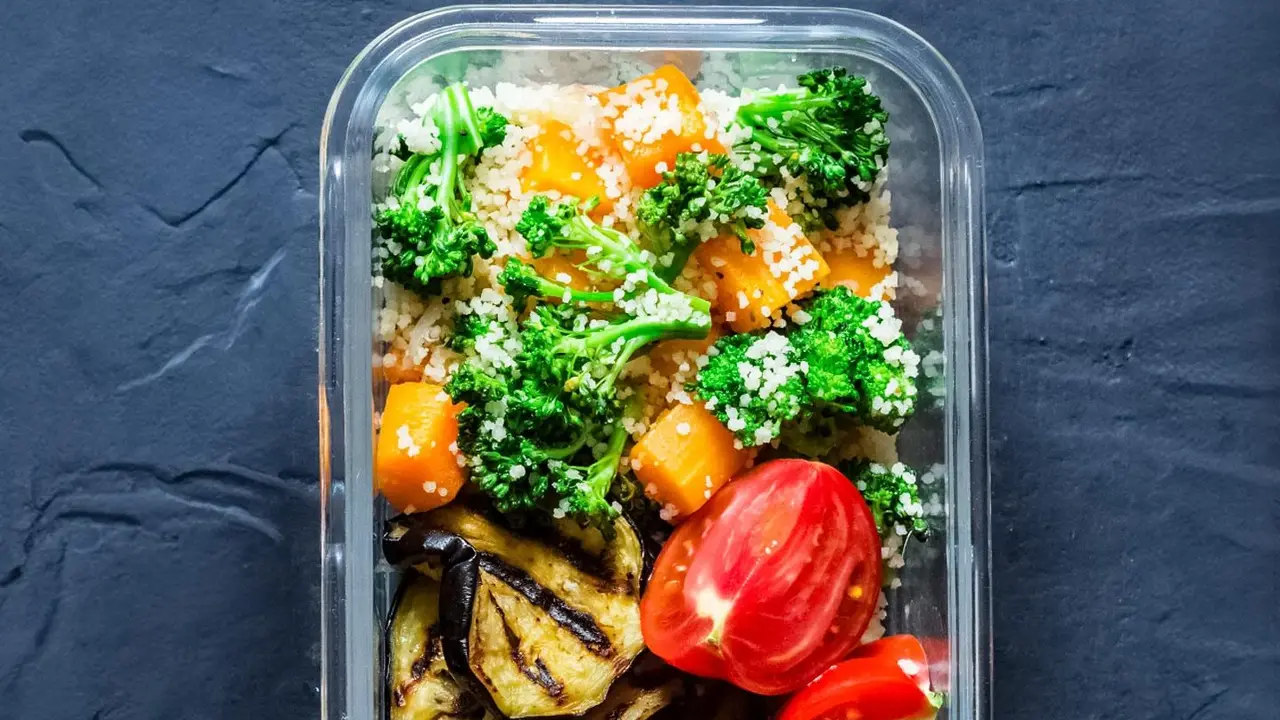
Transforming these seasonal gems into delicious office lunches is easier than you think. A little weekend prep can go a long way. Try making a large batch of a simple Lauki Sabzi or a dry Bhindi Masala. These can be portioned out for a couple of days. Another great idea is to make a versatile gravy base that you can quickly add different vegetables to in the morning. For example, a simple tomato-onion masala can be used for both a paneer dish one day and a mixed vegetable curry the next. Paired with freshly made rotis or a small portion of rice, you have a complete, satisfying, and incredibly cost-effective meal. Don't forget leafy greens like spinach (palak) and amaranth, which also grow well and can be quickly wilted into a tasty side dish.
Smart Shopping and Storage Tips
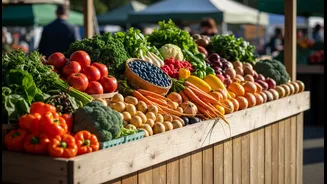
To maximise your savings, shop at local mandis or farmer's markets where produce is often fresher and cheaper. Go with a list, but be flexible. If you see a great deal on fresh gourds or beans, be ready to swap them into your meal plan. When you get your vegetables home, store them properly to extend their life. Leafy greens should be washed, dried thoroughly, and stored in the refrigerator. Hardier vegetables like gourds and brinjals can be kept in the vegetable crisper. Proper storage means less waste, which is another crucial component of cutting your grocery bill. By planning your meals around what's fresh and affordable, you’ll prevent impulse buys and ensure that everything you purchase gets used.