


India's Unblinking Eye on the Sun
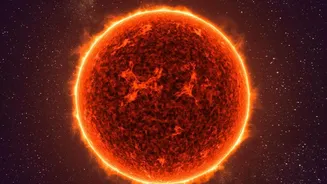
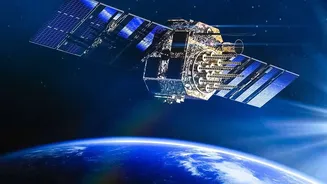
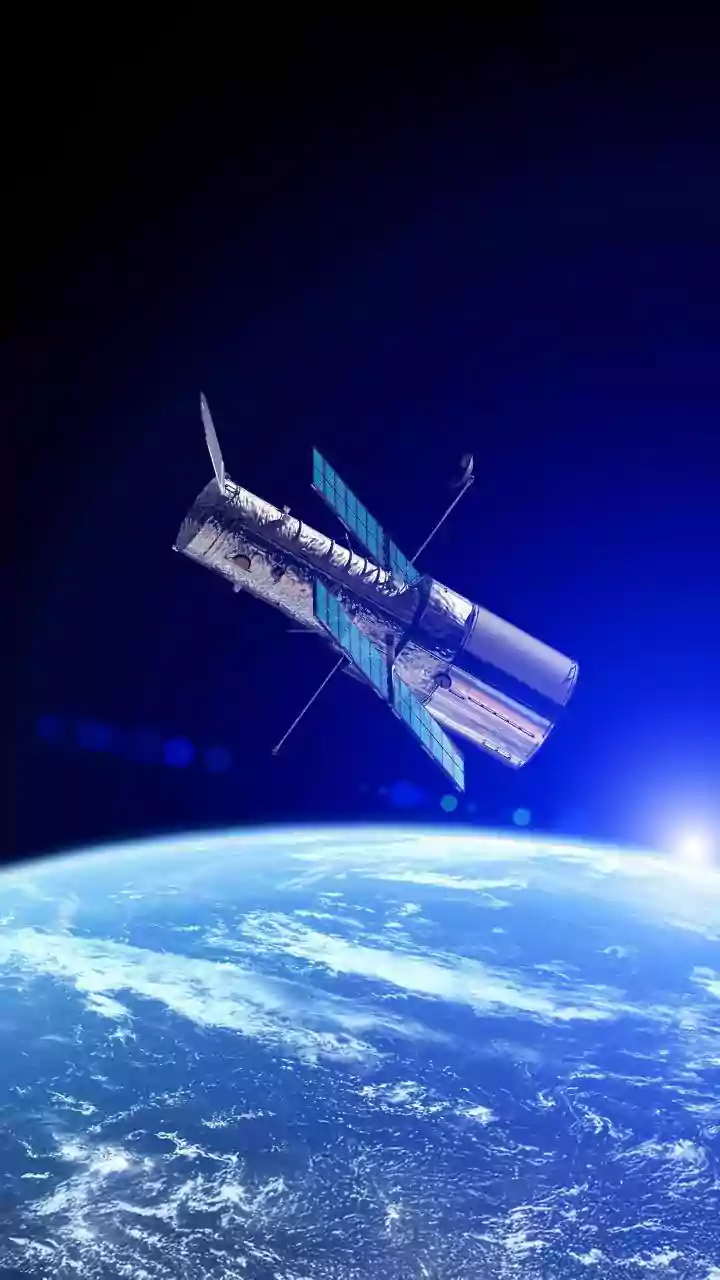
Launched by the Indian Space Research Organisation (ISRO), the Aditya-L1 mission is a landmark achievement for the nation. It’s India's first space-based observatory dedicated to studying the Sun. The spacecraft is strategically positioned at Lagrange
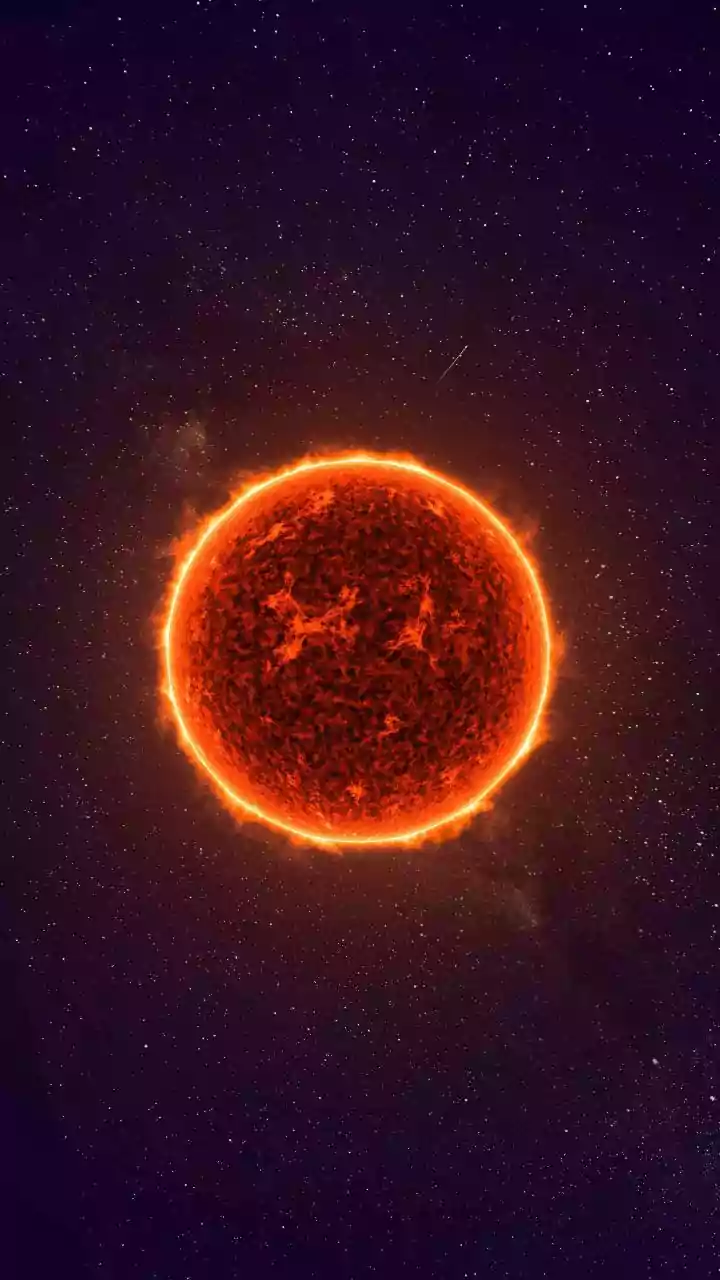
Point 1 (L1), a unique spot 1.5 million kilometres from Earth where the gravitational pulls of the Sun and Earth balance out. This provides Aditya-L1 with an uninterrupted, continuous view of the Sun, free from eclipses or occultations, which is critical for monitoring solar activity in real time. Equipped with seven sophisticated payloads, the observatory studies everything from the Sun's visible surface (photosphere) and outer atmosphere (corona) to the solar wind and magnetic fields that permeate our solar system.
What Is Space Weather and Why Does It Matter?
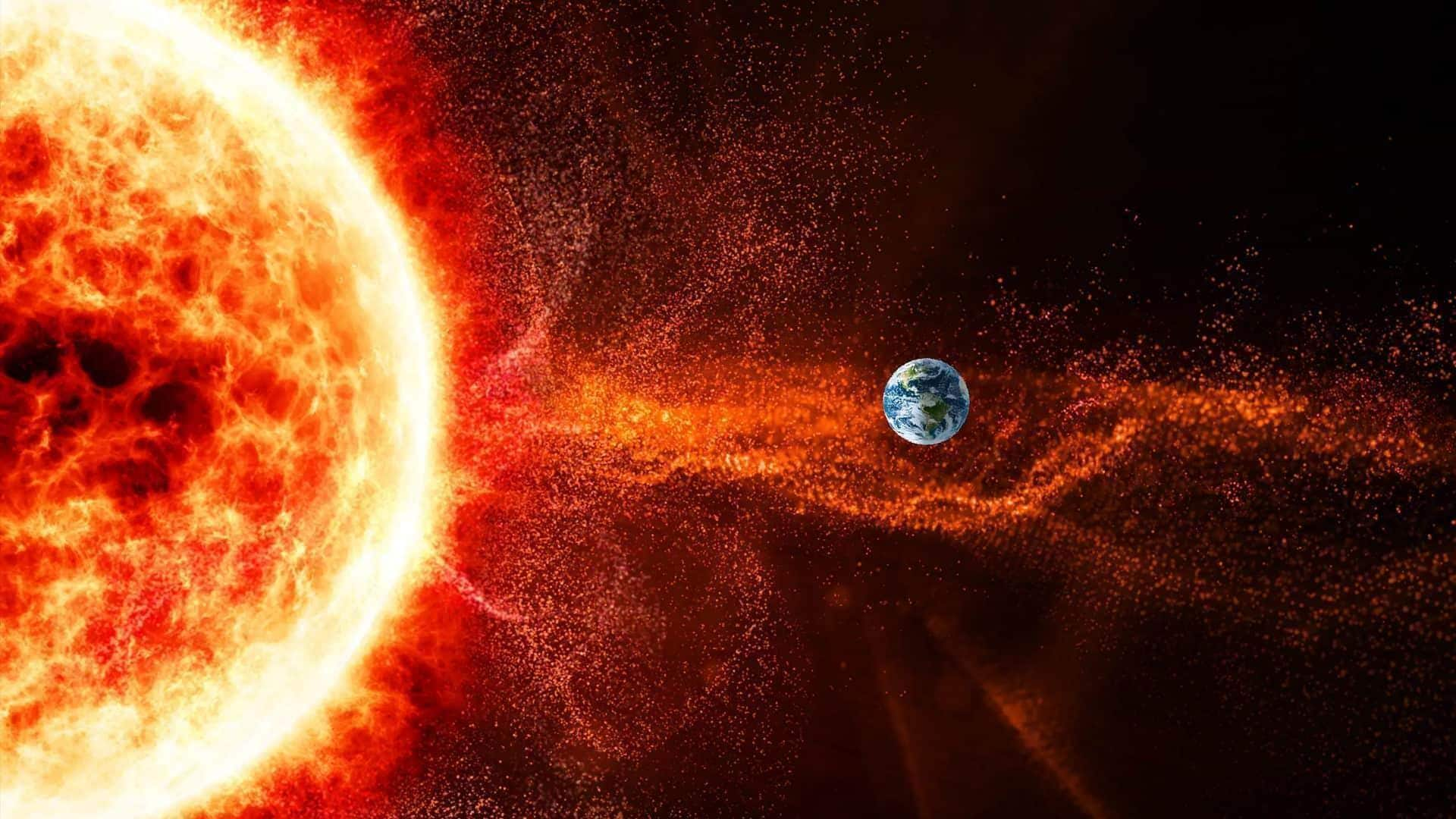
Think of space weather as the environmental conditions in space, driven by the Sun's volatile activity. Our star is constantly ejecting enormous amounts of energy and charged particles. These events, known as solar flares and Coronal Mass Ejections (CMEs), can travel across space and slam into Earth's magnetic field. While they are responsible for creating beautiful auroras, they can also cause significant disruption. These solar storms can knock out power grids, disrupt satellite communications, scramble GPS signals, and pose a radiation risk to astronauts. In our increasingly technology-dependent world—from digital payments and logistics to national security—the ability to predict these events is no longer a purely academic exercise; it's a crucial aspect of national resilience.
The Breakthrough Coronal Heating Data
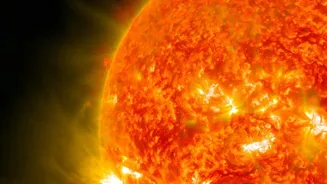
One of the longest-standing puzzles in solar physics is why the Sun's corona, its outer atmosphere, is millions of degrees hotter than its surface. Recent findings from Aditya-L1, led by researchers at the Indian Institute of Astrophysics, have provided a crucial piece of this puzzle. Using data from the Visible Emission Line Coronagraph (VELC) instrument, scientists studied a powerful CME and quantified the energy sources heating the corona. Their research, published in the Astrophysical Journal Letters, shows that the constant reconfiguration and reconnection of the Sun's magnetic fields account for roughly 93% of the energy required to heat the corona. In contrast, waves generated from the Sun's bubbling surface contribute only about 7%. This insight is a major step forward, providing a benchmark for understanding the engine behind the Sun's most violent eruptions.
Sharpening Our Predictive Shield
Understanding the fundamental physics of how the Sun works is the key to predicting its behaviour. By confirming that magnetic reconnection is the dominant source of coronal energy, the Aditya-L1 data helps refine the models used to forecast space weather. For example, the VELC instrument's detailed observations of a CME in July 2024 allowed scientists to track how the plasma was ejected and deflected by the Sun’s magnetic forces. This is vital information, as the direction of a CME determines whether it will hit Earth. Another instrument, the Solar Ultraviolet Imaging Telescope (SUIT), has captured the first-ever detailed images of a flare's origin in the Sun's lower atmosphere. This allows scientists to connect the initial eruption to its effects in the upper corona, creating a more complete picture of a solar event from start to finish. This continuous stream of high-quality data provides an early warning system, giving us precious lead time—anywhere from 30 to 60 minutes—to protect our critical infrastructure.
A New Era for Indian Space Science
Aditya-L1 signifies India's transition from being a user of global space weather data to a primary producer. The mission is anchoring a national effort, knitting together data from space and ground-based observatories to create a comprehensive space weather monitoring and forecasting system. This not only enhances India's self-reliance in a critical domain but also solidifies its position as a major player in global space research. The data from Aditya-L1 is being shared with the global scientific community, contributing to a worldwide effort to better understand our star. The mission's success is also driving growth in India's domestic space ecosystem, encouraging private companies and universities to develop new technologies and applications, and inspiring a new generation of scientists.