


The Workplace Transformed
There is no denying that the world of work is in the midst of a seismic shift, with AI as the primary driver. By 2026, AI is no longer a futuristic concept but a daily reality for many professionals. It's automating repetitive tasks like data entry and
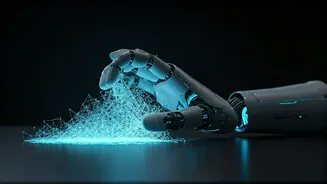
analysis, freeing up employees to focus on more strategic and creative work. From AI-powered project management tools like Asana and ClickUp that streamline workflows to communication platforms like Slack that use AI to summarise conversations, the technology is becoming an integrated team member. Companies are reporting significant productivity gains, using AI not just to cut costs, but to amplify human performance and innovate. This has led to the creation of entirely new job categories focused on AI development, management, and ethics, even as some entry-level roles are reduced.
Our New Digital Co-worker
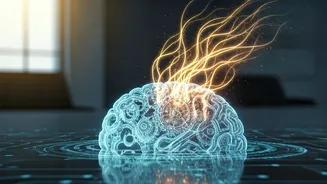
AI has evolved beyond simple automation to become a collaborative partner. Tools like Microsoft Copilot and Google Gemini are embedded in the software we use daily, acting as expert assistants that can draft emails, analyse spreadsheets, and generate reports. This shift is changing not just individual tasks, but how teams work together. AI can facilitate collaboration by finding meeting times, taking notes, and making vast amounts of company knowledge instantly searchable. The goal is a state of 'Connected Intelligence,' where people and AI agents work side-by-side. However, this increased efficiency comes with a new dynamic; employees are shifting from just doing the work to guiding and critiquing the work of AI. This makes human skills like critical thinking and judgement more valuable than ever.
The Limits of the Algorithm
For all its analytical power, AI runs into a wall when it comes to the nuanced, unquantifiable aspects of human interaction. It can process language, but it cannot truly understand the subtext, sarcasm, or cultural nuances that colour our communication. An AI can be programmed to mimic empathetic phrases, but it lacks genuine emotional experience. It has never felt joy, grief, or the simple comfort of a shared joke. This is why AI struggles to build the trust and rapport essential for true collaboration and leadership. While AI can manage tasks, it cannot inspire a team, negotiate a delicate compromise, or offer the authentic support of a colleague who truly understands the pressures of a project. Empathy, trust, and communication remain fundamentally human domains.
The Unchanging Core of Connection
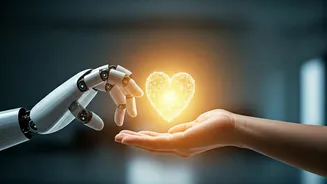
Outside the structured environment of the workplace, the argument for AI's limited impact becomes even stronger. Friendship, family, and romantic love are built on a foundation of shared vulnerability, mutual growth, and lived experience—qualities that an algorithm cannot replicate. A relationship with an AI is inherently one-sided; it offers frictionless validation without the risk, compromise, and messiness that builds true intimacy. While AI companion apps are growing in popularity, especially among younger demographics, experts raise concerns that over-reliance on them can erode social skills and create unrealistic expectations for real-world relationships. These apps can provide a temporary antidote to loneliness, but they cannot replace the profound connection of being truly seen and understood by another person.
A Tool, Not a Friend
Ultimately, AI is a profoundly powerful tool, perhaps the most significant since the internet. It is changing what we do for a living and how we do it. But it is a tool for executing cognitive tasks, not for fulfilling emotional needs. It lacks consciousness, a physical body, and the capacity for the shared experiences that form the bedrock of human bonds. We can't share a meal with an AI, feel its comforting presence in a time of crisis, or build a history of inside jokes and memories. The connection it offers is a simulation, and our minds can often detect its artificial nature. It can recall every detail about you, but it cannot comprehend the meaning behind them. The essence of being human isn't about processing information efficiently; it’s about connection, empathy, and love.