




The Rise of the Perfect, Impersonal Application
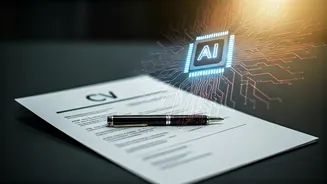
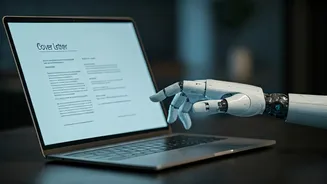
In the hyper-competitive job market of 2026, AI has become a common tool for applicants. Platforms that promise to write the perfect cover letter or optimize a resume for applicant tracking systems (ATS) are everywhere. They generate grammatically pristine,
keyword-rich documents that tick all the conventional boxes. The result is a flood of applications that, on the surface, look impeccable. However, this has created a new problem for recruiters: a sea of sameness. One recruitment firm CEO noted that his company is receiving so many applications that look nearly identical because they were all generated by the same AI prompts. This wave of polished but soulless applications makes it harder for hiring managers to identify genuinely interested and suitable candidates.
Why 'Perfect' Is No Longer Enough
Recruiters are becoming adept at spotting the tell-tale signs of an AI-written application. Common giveaways include overly formal language, repetitive sentence structures, and the excessive use of generic business buzzwords like "synergistic," "results-driven," and "proven track record." One survey found that nearly one in five hiring managers would reject a candidate if they believed the application was written entirely by AI. The reliance on AI can be perceived as laziness or a lack of genuine interest in the specific role. More importantly, it masks the very qualities that determine a good hire: cultural fit, problem-solving style, and authentic motivation. Companies don't just hire a set of skills; they hire a person who will collaborate, communicate, and contribute to a team. A generic, AI-perfected resume fails to provide any insight into these crucial human elements.
What 'Personality' Really Means in an Application
When recruiters say they want personality, they aren't asking for unprofessional oversharing or quirky gimmicks. They are looking for authenticity. This means moving beyond clichés and providing concrete examples. Instead of saying you "thrive in a fast-paced environment," describe a specific situation where you successfully managed multiple tight deadlines. It means telling a story. A brief, relevant anecdote about how you solved a problem or what sparked your passion for the industry is far more memorable than a list of skills. It also involves showing genuine enthusiasm for the specific company by referencing one of its projects, values, or recent achievements. This proves you've done your homework and aren't just sending out mass applications. Ultimately, personality is about conveying your unique voice and perspective, helping the recruiter see the real person behind the paperwork.
How to Inject Your Voice and Still Use AI
The solution isn't to abandon AI entirely but to use it as a co-pilot, not an autopilot. Start by writing a first draft yourself, pouring out your experiences, accomplishments, and motivations in your own words. Then, use AI as a tool to help you refine, edit, and check for clarity. A great approach is to feed the AI your messy, human draft and ask it to organize your points or suggest stronger verbs, but instruct it to maintain your core voice. Critically review any AI-generated text. If it sounds robotic or uses phrases you would never say, rewrite it. Reading your cover letter out loud is a simple but effective test; if it doesn't sound like you, it needs more work. The goal is to combine the efficiency of AI with the irreplaceable authenticity of your own experience.
Beyond the Resume: Showcasing Your Human Side
Your personality shouldn't be confined to your cover letter. A well-curated LinkedIn profile that reflects your interests and professional journey can offer a more dynamic picture of who you are. Including a link to a professional portfolio or even a relevant personal blog can provide deeper insight. Adding a brief, well-chosen section on hobbies and interests can also create a point of human connection. And of course, the interview is the ultimate stage to let your personality shine. It's where your enthusiasm, communication style, and ability to connect with others can truly make a lasting impression, proving you're more than just the keywords on a page. The future of hiring is increasingly seen as a human-centric process, where technology supports, but does not replace, the need for genuine human connection.