


That stiff, locked-up feeling after a long day at the desk is all too common. Heading straight to the gym can feel daunting, but the right routine can undo the day's tension and set you up for a great workout. Here’s how to get started.
Prioritise Dynamic Stretching
Before you even
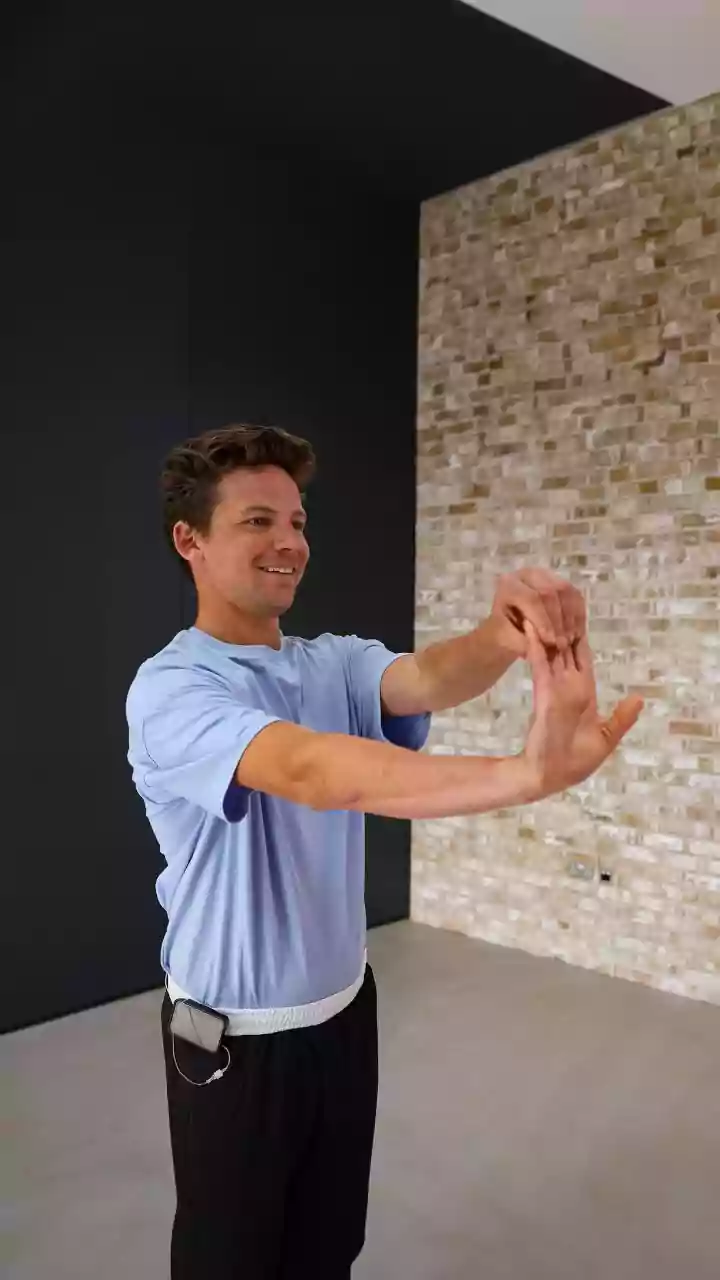
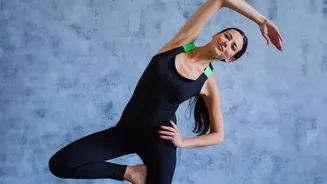
think about lifting weights, it's crucial to warm up your body with movement. Many experts advise against long, static stretches (where you hold a position) before a workout. Instead, focus on dynamic stretching, which involves active movements that take your muscles and joints through their full range of motion. This approach increases blood flow, raises muscle temperature, and activates the nervous system, signaling to your body that it's time to work. Think of it as a dress rehearsal for the main event, gently preparing your body for the more intense activity to come. This is especially important after sitting for hours, a position that can leave muscles 'cold' and unprepared for sudden activity.
Undo 'Desk Hips' with Mobility Drills
Prolonged sitting is notorious for tightening the hip flexors, the muscles at the front of your hips. This can lead to stiffness and even lower back discomfort. To counteract this, start with mobility exercises that specifically target the hips. A half-kneeling hip flexor stretch is a great starting point; kneel on one knee and gently push your hips forward, feeling a stretch in the front of the back leg. Another excellent movement is the 'World's Greatest Stretch', which combines a lunge with a torso twist to open up the hips, hamstrings, and upper back all at once. Exercises like 90/90 hip rotations, where you sit on the floor and rotate your knees from side to side, also improve the internal and external rotation that sitting restricts.
Wake Up Your Glutes
Sitting for long periods can lead to what some trainers call 'gluteal amnesia'—your glute muscles essentially 'forget' how to fire properly. Activating them before a workout is vital for performance and injury prevention, especially if you plan on squatting or deadlifting. Glute bridges are a simple yet effective way to do this. Lie on your back with your knees bent, and lift your hips toward the ceiling, squeezing your glutes at the top. Other effective activation exercises include fire hydrants and clamshells, which can be done with or without a resistance band to target the smaller stabilising muscles in your hips.
Mobilise Your Thoracic Spine
Slouching over a computer screen often leads to a stiff and rounded upper back, also known as the thoracic spine. Improving mobility in this area can dramatically improve your posture and performance in exercises like overhead presses and rows. The 'cat-cow' stretch is a classic yoga pose for this, where you alternate between rounding and arching your spine on all fours. Another effective drill is 'thoracic spine rotations' or 'open book' stretches. Lie on your side with your knees bent and open your top arm across your body, following it with your gaze to encourage rotation through the upper back.
Integrate Full_Body Movements
After targeting specific areas, bring it all together with some light, full_body movements. A deep squat hold, for example, is fantastic for ankle, hip, and back mobility. If you struggle, hold onto a sturdy object for support. Wall slides or wall angels are another great option to improve shoulder mobility and combat rounded posture. Stand with your back against a wall and slide your arms up and down in a 'goalpost' position, trying to keep your back and arms in contact with the wall. These integrated movements prepare your body to work as a single, coordinated unit, which is the foundation of effective strength training.
After the Workout: Time for Static Stretches
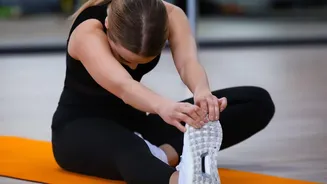
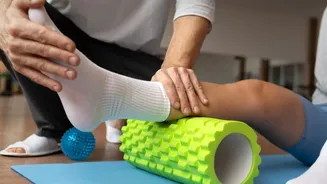
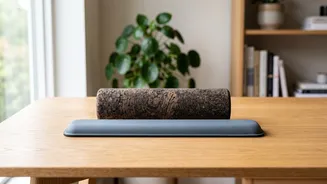
While dynamic stretching is for your warm_up,' static stretching has its place in your cool_down.' After your workout,' when your muscles are warm and pliable,' holding stretches for 30_60 seconds can help improve long_term flexibility,' reduce muscle tension,' and ease your body into a state of recovery.' This is the time to focus on areas that felt particularly tight during your workout or that are chronically stiff from your workday,' such as the hamstrings,' chest,' and hip flexors.' Combining this with methods like foam rolling can further help reduce soreness and speed up recovery.