





Why Humidity Wreaks Havoc
Before diving into solutions, it helps to understand the problem. Hair becomes frizzy in damp weather because it absorbs excess moisture from the air, causing the outer layer, or cuticle, to swell and lift. This is especially true for dry or damaged hair,
which is more porous. When the cuticle is raised, strands don't align smoothly, leading to that dreaded frizzy, puffy appearance. The goal of any rainy-day routine is to keep the hair cuticle sealed and happy.
Upgrade Your Towel Game
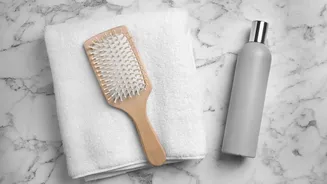
The first step after washing your hair is one of the most critical. Vigorously rubbing your hair with a standard cotton bath towel is a recipe for frizz. The rough texture creates friction that ruffles the hair cuticle. Instead, switch to a microfiber towel. These are designed to absorb water more quickly and gently. The correct technique is to squeeze or blot the hair, never rub. Gently press sections of your hair with the towel to soak up excess water without causing damage. If you don't have a microfiber towel, a soft, old cotton t-shirt is an excellent alternative.
Don't Skip the Leave-In Products
Think of anti-frizz serums and leave-in conditioners as your personal shield against humidity. Applying a small amount of product to damp hair helps to coat the strands, sealing the cuticle and preventing it from absorbing atmospheric moisture. Look for lightweight formulas that won't weigh your hair down. Products containing natural oils or silicones create a barrier that keeps hair smooth. This step provides a layer of protection that lasts throughout the day, making it an essential part of your monsoon hair care arsenal.
The Air-Dry vs. Blow-Dry Debate
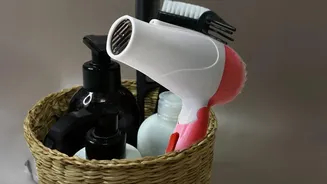
There’s no single right answer here, as the best method depends on your hair type and time. While air-drying avoids heat damage, it can prolong the time your hair is in its most fragile, wet state. This extended exposure to water can sometimes lead to more frizz as the hair swells. If you choose to air-dry, do it in a less humid environment and consider loose, protective styles like braids to manage frizz. On the other hand, blow-drying can be beneficial if done correctly. Using a low heat setting and a nozzle to direct the airflow downwards helps to smooth the cuticle. Always use a heat protectant spray. The key is to ensure your hair is 100% dry before stepping outside, as any remaining dampness will immediately attract humidity.
Small Habits, Big Impact
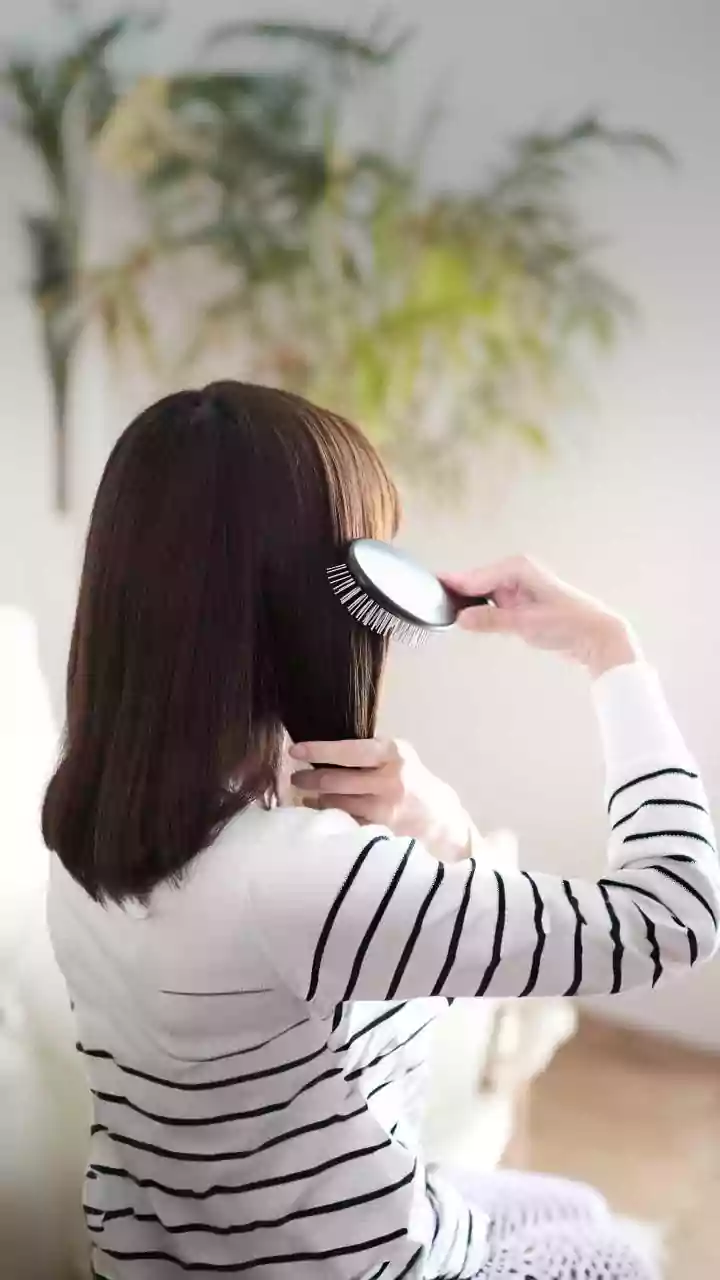
A few other small adjustments can make a significant difference. First, avoid tying your hair up when it's wet, as this can weaken the roots and lead to breakage. Second, if you get caught in the rain, try to rinse your hair with clean water as soon as possible. Rainwater can contain pollutants that disrupt your scalp's pH balance. Finally, detangle wet hair with a wide-tooth comb instead of a brush, starting from the ends and working your way up to the roots to minimize pulling and breakage.