



A Direct Line to Nostalgia
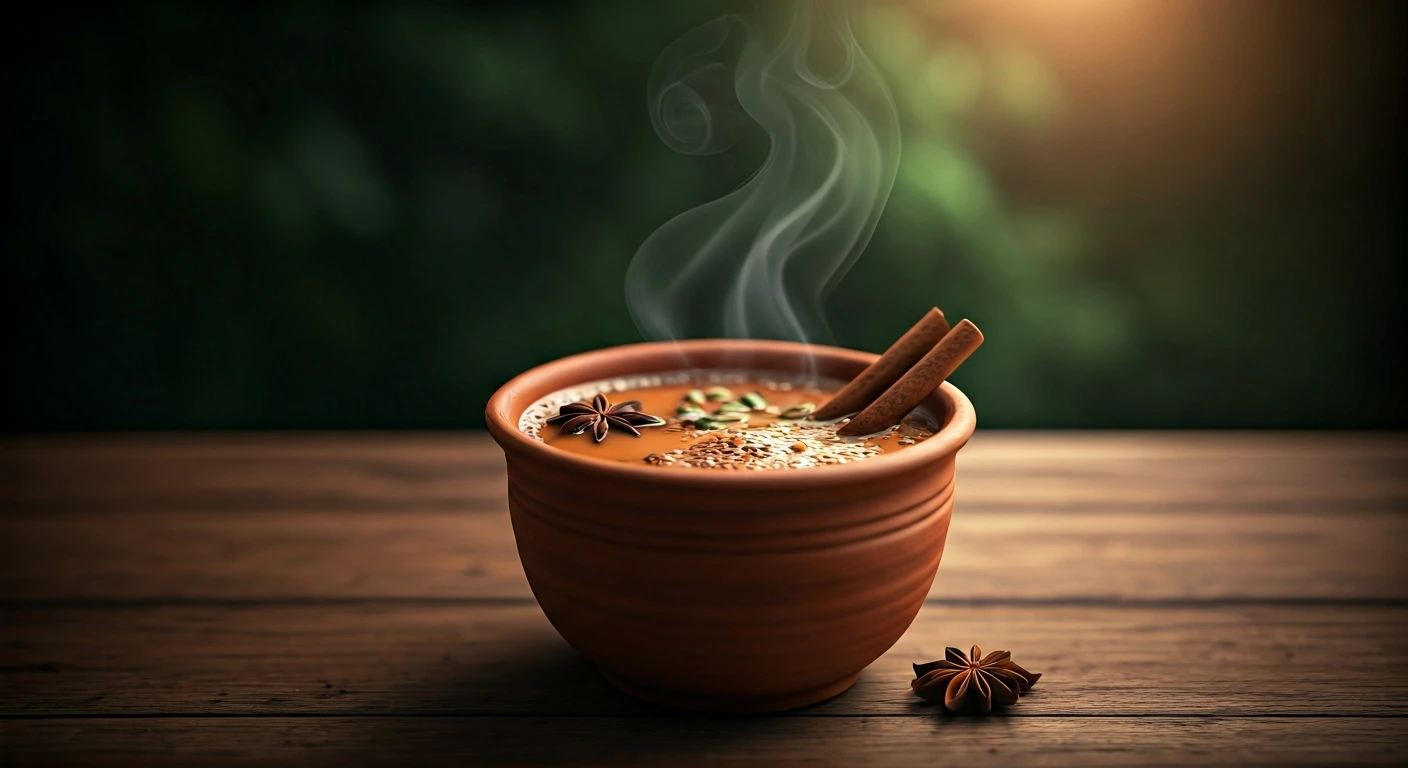
For many of us, the sight and feel of an earthen pot, or 'matka', is pure nostalgia. It evokes memories of summer holidays, grandmother’s kitchen, and the distinctively cool, sweet taste of water stored in clay. In the fast-paced, often disconnected world
of urban living, these terracotta jars offer a tangible connection to our roots. They are not just containers; they are vessels of memory. Bringing a piece of that heritage into a modern, minimalist kitchen provides a sense of grounding and authenticity that slick, mass-produced containers simply can't match. It’s a quiet rebellion against the impersonal, a way to infuse soul and story into the heart of the home.
The Science of Natural Cooling and Freshness
There’s a reason our ancestors swore by terracotta, and it’s backed by simple science. Terracotta is naturally porous, meaning it has microscopic holes that allow tiny amounts of water to seep through. This water evaporates from the outer surface, a process that draws heat from the inside and naturally cools the contents. This makes terracotta jars perfect for the Indian climate. They keep water refreshingly cool without electricity and are ideal for setting thick, creamy curd (dahi). The porous nature also helps regulate humidity, preventing greens from wilting too quickly and stopping spices and grains from getting damp and clumpy. It’s a low-tech solution that outperforms many modern alternatives.
The 'Earthy Chic' Aesthetic
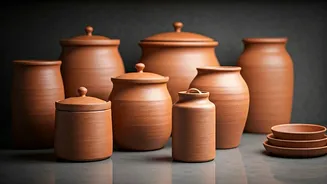
From a design perspective, the appeal is undeniable. The warm, rustic, and beautifully imperfect texture of terracotta provides a stunning contrast to the clean lines and cool tones of contemporary kitchens. Think of a row of reddish-brown jars against a sleek white countertop or a black backsplash—the effect is instantly warm, inviting, and sophisticated. This ‘earthy chic’ look aligns perfectly with global design trends like Japandi (a mix of Japanese and Scandinavian design) and Wabi-Sabi, which celebrate natural materials and imperfections. Interior designers and homeowners are using them to add a touch of organic texture and break the monotony of modular interiors, creating a space that feels curated and personal.
A Vote for Wellness and Sustainability
The growing awareness around health and sustainability is a major driver of this trend. Many are moving away from plastic containers due to concerns about BPAs and other chemicals leaching into food. Glass is a great alternative, but terracotta offers more. Being an alkaline material, it is said to interact with acidic foods to help balance their pH, potentially making them gentler on the stomach. Furthermore, terracotta is a completely natural, non-toxic material. At the end of its life, it biodegrades and returns to the earth, leaving no harmful waste behind. In an era of conscious consumerism, choosing a terracotta jar is a small but meaningful vote for a healthier planet and a healthier you.
More Than Just a Jar
Finally, the obsession is also fuelled by their versatility. These aren't just for storing pickles and rice anymore. Urbanites are using smaller terracotta pots for spices, salt, and ghee, keeping them within easy reach on the countertop. Larger jars double as stylish planters for indoor herbs like mint and coriander, bringing life and greenery into the kitchen. Some are even used as utensil holders or simply as standalone decorative pieces that add a sculptural element to a shelf. This multi-functionality makes them a smart and stylish investment for anyone looking to add character and utility to their kitchen space.