





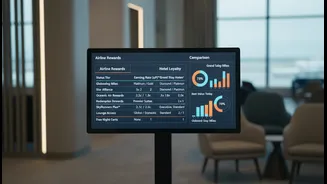



What Are Connected Travel Rewards?
Think of connected travel rewards not as one single programme, but as a vast, interconnected ecosystem. It's a network where airlines, hotels, and credit card companies partner up, allowing you to earn and use a common currency—points or miles—across
their services. For Indian travellers, this includes major airline alliances like Star Alliance (with Air India), Oneworld, and SkyTeam, plus partnerships between hotel chains like Marriott or Hilton and credit cards from banks like HDFC or American Express. The core idea is that your loyalty to one brand can be rewarded across a whole spectrum of travel experiences, from flights and hotel stays to car rentals and even dining.
The Currency of Travel: Understanding Points
Points and miles are the currency of this ecosystem, but not all points are created equal. Their value can change depending on how and where you redeem them. You primarily earn these points in a few key ways: flying with an airline, staying at a partner hotel, or, most significantly, through everyday spending on a co-branded or travel-focused credit card. Many programmes in India now reward you based on how much you spend rather than how many miles you fly. It’s also crucial to consolidate your spending and travel within one or two key programmes. Spreading your points too thin makes it difficult to accumulate enough for a meaningful reward.
Decoding Fares: Are 'Free' Flights Really Free?
One of the biggest myths about reward travel is that it's completely free. While your points cover the base fare of the flight or hotel room, you are almost always responsible for paying taxes, government fees, and, increasingly, carrier-imposed surcharges. These surcharges are discretionary fees added by airlines that can sometimes be hundreds or even thousands of rupees, especially on international routes. So, a 'free' flight to Europe might still cost you a significant amount out-of-pocket. It is essential to compare the total cash you’ll pay for a reward booking against the price of just buying the ticket outright to see if you are truly getting good value.
The Promise of Booking Flexibility
A major advantage of connected rewards is the increased flexibility in booking. Instead of being locked into one airline, you can use points from a single programme (like American Express Membership Rewards) and transfer them to various airline partners like British Airways or Singapore Airlines. This allows you to shop around for the best redemption rates and seat availability across different carriers. Similarly, airline alliances let you book a journey on a partner airline using the miles from your primary programme. However, this flexibility can come with complexity. Award seat availability, especially in business or first class, can be extremely limited and requires booking far in advance or at the last minute.
Maximising the Benefits
The perks go beyond just free tickets. Holding elite status in a loyalty programme can unlock a host of benefits that make travel more comfortable, such as priority check-in, extra baggage allowance, and complimentary access to airport lounges. For hotels, benefits can include room upgrades, free breakfast, and late check-out. Strategic use of co-branded credit cards can fast-track you to these elite tiers and provide welcome bonuses worth thousands of points. Many programmes also allow you to combine points with cash, giving you more options when you're short on points for a full redemption.
Knowing the Limits and Pitfalls
Despite the benefits, there are significant limitations. Loyalty programmes can change their rules at any time, leading to a 'devaluation' where the number of points needed for a flight suddenly increases. Points can also expire due to inactivity, so it's vital to keep track of your accounts. Another pitfall is carrying a balance on your travel credit card. The high interest rates will quickly erase any value you get from the rewards. Finally, the complexity itself can be a downside; maximising value requires research and planning, which can feel like a part-time job.