






The Agony of the Mid-Workout Cramp
Anyone who leads an active lifestyle knows the feeling. You are in the middle of a great run, a heavy lift, or an intense game, and suddenly your calf, hamstring, or foot seizes up in a painful, involuntary contraction. These exercise-associated muscle
cramps (EAMCs) are incredibly common and frustrating. For years, the primary suspect was dehydration and an imbalance of electrolytes—the essential minerals our bodies need to function. When we sweat, we do not just lose water; we also lose vital electrolytes like sodium, potassium, and magnesium, all of which are crucial for proper muscle function. While fatigue is also a major factor, maintaining fluid and electrolyte balance remains a key strategy for keeping cramps at bay.
Coconut Water: Nature’s Sports Drink?
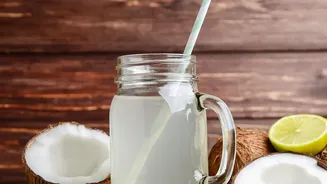
This is where coconut water enters the picture. Hailed as a natural alternative to sugary sports drinks, coconut water is the clear liquid found inside young, green coconuts. Its claim to fame in the fitness world is its rich electrolyte profile. It is particularly high in potassium, a mineral that plays a central role in muscle contractions and nerve signals. A single cup can contain more potassium than a banana. It also provides other electrolytes like magnesium and calcium. Because it is naturally low in sugar and calories compared to many commercial sports drinks, it has become a go-to for those seeking natural hydration.
So, Why Add a Pinch of Salt?
If coconut water is already full of electrolytes, why add salt? The answer lies in which electrolyte we lose the most through sweat: sodium. While coconut water is a potassium powerhouse, it is naturally low in sodium. Sodium is critical for maintaining fluid balance, nerve impulses, and muscle contractions. When you engage in long or intense workouts, especially in the heat, you can lose a significant amount of sodium in your sweat. Replenishing this sodium is vital for staying properly hydrated, as it helps your body hold onto the water you drink, and for preventing certain types of cramps linked to electrolyte depletion.
The Science Behind the Sip
Combining coconut water with salt is essentially a DIY sports drink. You are taking the potassium and magnesium from the coconut water and adding the sodium it lacks. Theoretically, this combination provides a more complete electrolyte profile to help replace what is lost during a sweaty workout. Some studies suggest that pre-hydrating with a sodium-containing beverage can enhance thirst and reduce fluid loss, helping athletes stay better hydrated. This approach aims to get ahead of the deficit before it leads to performance issues like cramps. However, it is important to note that for most people doing moderate exercise for under an hour, plain water is often sufficient. This 'ritual' is most relevant for endurance athletes, those who sweat heavily, or anyone exercising for extended periods in hot conditions.
A Practical Pre-Workout Ritual
If you want to try this, a little goes a long way. Simply add a small pinch of salt—about 1/8 to 1/4 of a teaspoon—to a glass of unsweetened coconut water and drink it about 30-45 minutes before your workout. This gives your body time to absorb the fluids and electrolytes. You might consider using Himalayan pink salt or sea salt, which contain trace amounts of other minerals, though table salt (sodium chloride) works just as well for providing sodium. It is crucial not to overdo it. Too much sodium can have negative effects, such as bloating or raising blood pressure. This strategy is intended for active, healthy individuals; those with high blood pressure or other health concerns should be cautious.
More Than Just a Drink
While a salt-infused coconut water can be a useful tool, it is not a magic bullet for preventing all muscle cramps. Experts now believe that many cramps are caused by muscle fatigue rather than just dehydration. Therefore, a holistic approach is best. Ensure you are properly warming up before exercise, progressively increasing your training intensity instead of making sudden jumps, and incorporating stretching into your routine. Furthermore, your overall diet plays a huge role. Eating a balanced diet rich in minerals from fruits, vegetables, and whole foods will help keep your electrolyte stores topped up day-to-day, making you less susceptible to deficiencies during a workout.