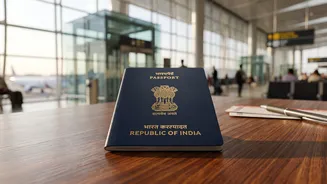




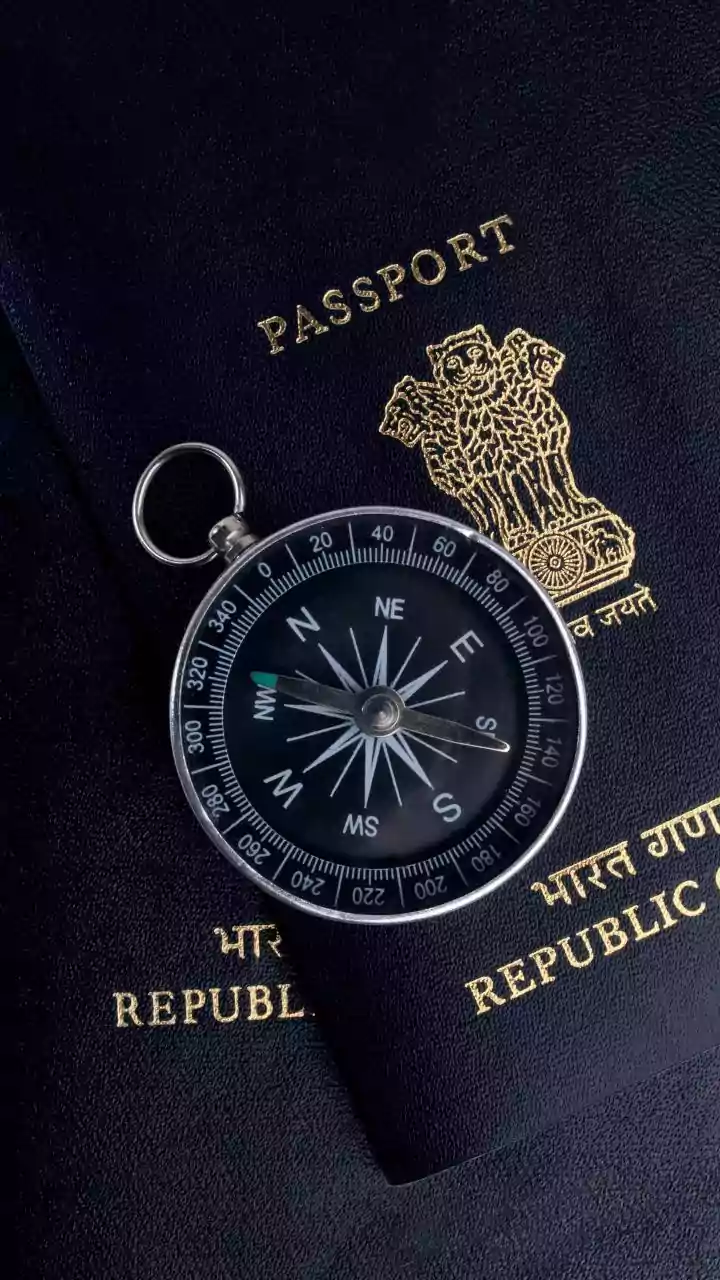
In a significant move to streamline entry for foreign nationals, the Indian government has overhauled its visa regime. This simplification aims to boost tourism and business by making the application process clearer and more user-friendly.
From Complexity to Clarity
The Ministry
of Home Affairs has announced a major rationalisation of India's visa system, aimed at making it more 'compact, coherent and responsive' to the needs of foreign visitors. This reform is the second phase of a broader simplification effort. In October 2025, the initial 22 main visa categories were first reduced to 13. As of August 27, 2026, these have been further consolidated into just nine main categories, with the number of sub-categories dropping from 49 to 23. The government stated that this move was made after studying the visa systems of developed countries and global standards, with the goal of providing greater clarity for applicants and facilitating legitimate travel. To further ease the process, the number of fields in application forms has been slashed by 65-70%, significantly reducing the time and effort required from applicants.
Meet the New Nine Visa Categories
The revised framework organises travel purposes under nine distinct umbrellas: Visitor, Business, Medical, Student, Work, Diplomatic, Official, Journalist, and Miscellaneous. This structure consolidates overlapping purposes into clearer, more intuitive groupings. For instance, the former 'Tourist Visa' has been renamed the 'Visitor Visa' to reflect its broader scope. Similarly, student travel is now streamlined under two sub-categories: one for formal education and another for research and exchange programs. Business and Medical visas have also been reorganised to provide clearer pathways for everything from long-term investment to short-term medical treatment under both conventional and AYUSH systems.
A Broader Welcome with the 'Visitor Visa'
One of the most significant changes is the introduction of the 'Visitor Visa', which replaces the traditional 'Tourist Visa'. This category is now split into two sub-types. The V-1 visa is designed for short-term visits of up to 30 days with multiple entries. It covers a wide array of activities including tourism, brief business meetings, medical consultations, wellness retreats, and short courses in arts or languages. The V_2 visa caters to longernduration visits, with validity for one, five, or ten years. It includes all activities permitted under the V_1 visa, as well as mountaineering, for which a specific sixndmonth, multiplendentry provision is available. This flexibility makes it simpler for travellers who may want to combine leisure with other shortndterm objectives.
Streamlining for Students and Professionals
The new visa rules create clearer paths for students and business professionals. The Student Visa is now divided into the Sndcategory for school and university education and the Sndcategory for research, internships, and exchange programs. Notably, students admitted through the 'Study in India' portal can receive an endvisa for up to five years. The Business Visa is now split into the Bndfor longterm ventures and the Bndfor shortterm, contractbased work like attending conferences or participating in film shoots. Medical travel has also been clarified, with separate categories for conventional treatment (Mnd) and AYUSH systems (Mnd), along with corresponding visas for medical attendants (Mnd and Mnd), typically granted for one year with multiple entries.
Implementation and Impact
The Ministry of Home Affairs is currently updating its IT systems to support the new framework, with the goal of issuing visas under the revised categories by the end of 2026. The endvisa facility, a key part of India's push for easier travel, is already available to nationals of 172 countries under 13 subcategories. This overhaul is a strategic effort to enhance administrative efficiency and present a more welcoming face to the world. By simplifying procedures and reducing paperwork, the government aims to boost tourism, attract investment, and encourage more foreign nationals to study and seek medical care in India, aligning with national initiatives like 'Heal in India' and 'Study in India'.